




Development
Latest News
Advertisement
Research into Cold Cancers Heating Up
Accurately targeted immunotherapies through reliable neoantigen recognition enable personalized medicine development.
Proprietary Cell-Line Development for High-Titer AAV Manufacturing
Proprietary cell lines offer opportunities for achieving high AAV titers.

Bracing for a Future Wave of Advanced Therapies
In the ATMP space, CGTs are hitting their stride with unprecedented approvals in the past year alone.

Latest Videos

Advertisement
More News

Interim phase 1b/2 data from Tenaya Therapeutics’ MyPEAK-1 study showed TN-201 gene therapy was generally well-tolerated and associated with improvements in cardiac remodeling, symptom burden, and functional measures in patients with MYBPC3-associated hypertrophic cardiomyopathy.¹

Eli Lilly has entered a licensing agreement with Hanmi Pharmaceutical for sonefpeglutide, a long-acting GLP-2 receptor agonist in Phase 2 development for short bowel syndrome. The deal includes $75 million upfront and up to $1.2 billion in milestone payments, plus royalties.

FDA draft guidance outlines how prior scientific knowledge may support gene therapy development for rare and life-threatening diseases.

Flexible laboratory and good manufacturing practice-ready infrastructure in Basel is designed to support biopharma startups, manufacturing scale-up, and innovation growth, says SENN Development CEO Dr. Johannes Eisenhut.

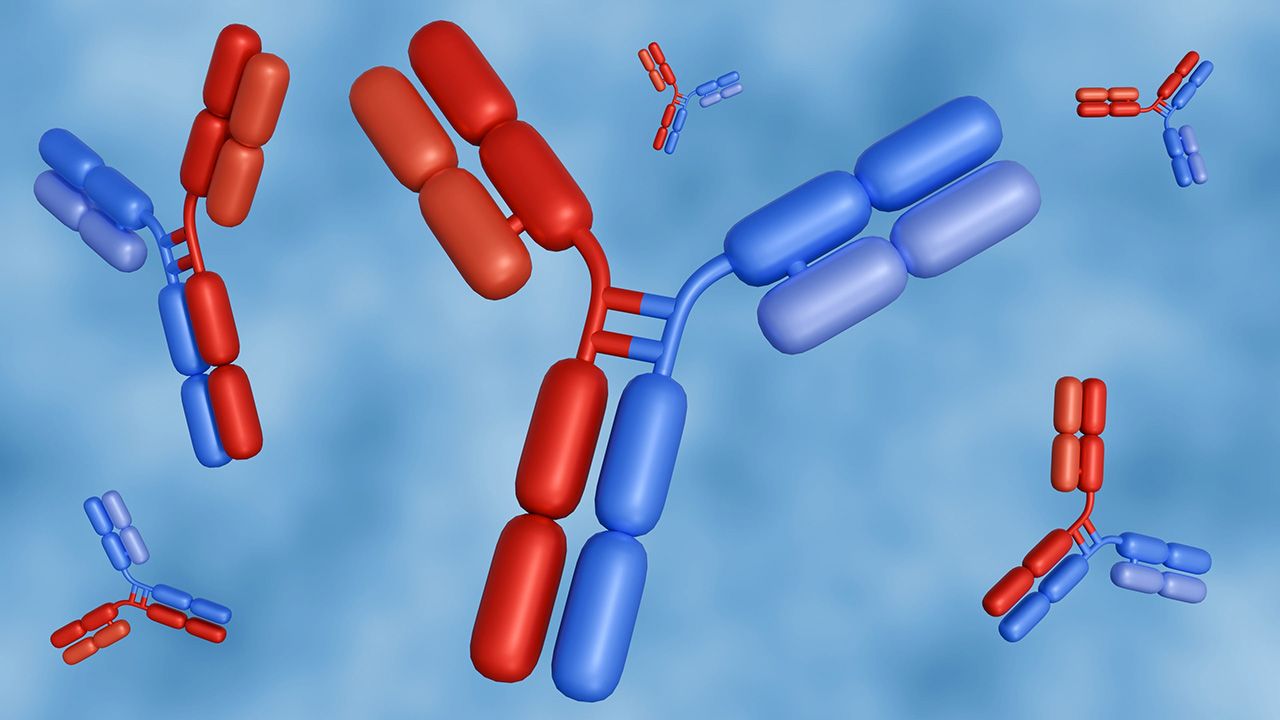
From multifunctional antibodies and T-cell engagers to in vivo cell therapies and hepatitis B functional cures, the most important large-molecule therapies of 2026 reveal the technological trends driving the next generation of biologic medicines.

Dual primary endpoints were met in both PANKU-Breast02 and PANKU-Esophagus01 phase 3 trials based on interim analyses, while priority review is underway for the esophageal cancer indication in China, Bristol Myers Squibb and Biokin stated.

Webcasts
Webinar Date/Time: Tue, Jun 23, 2026 11:00 AM EDT

Biopharma in 2026 advances decentralized manufacturing, AAV automation, QC modernization, and APAC clinical trial strategy.
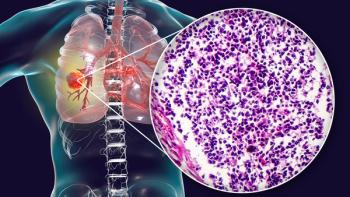
BioNTech and Bristol Myers Squibb report confirmed ORRs exceeding 60% at the lower dose in both non-squamous and squamous first-line NSCLC; three global Phase 3 trials are now enrolling.

New clinical and translational data presented at ASCO 2026 and published in Nature Medicine demonstrate encouraging anti-tumor activity and manageable safety for Immatics’ IMA401 TCR bispecific in patients with MAGE-A4-positive solid tumors.

Webcasts
Webinar Date/Time: Wed, Jun 24, 2026 11:00 AM EDT
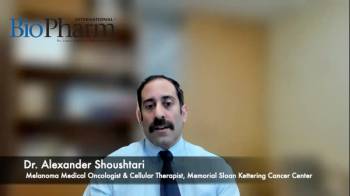
New five-year data from the Phase 3 tebentafusp (brand name Kimmtrak) trial are continuing to generate attention across oncology, particularly in metastatic uveal melanoma, a rare and historically difficult-to-treat cancer with limited treatment options and poor long-term survival outcomes. The study, presented during the 2026 annual meeting of the American Association for Cancer Research, represents the longest prospective Phase 3 randomized trial to report five-year overall survival data in metastatic uveal melanoma and the longest follow-up study for any T-cell engager in a solid tumor.
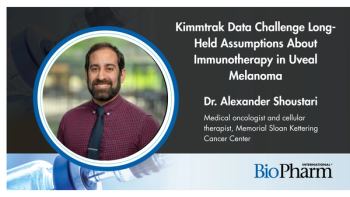
Five-year follow-up data from the Phase 3 Kimmtrak trial are providing new evidence that precision immunotherapy approaches can deliver durable benefits in metastatic uveal melanoma, a disease long considered resistant to immune-based treatments.

Fosun Pharma has dosed the first participant in a mainland China trial of FXB0871, as a parallel phase 1 study continues in the United States and Canada under Teva's TEV-56278 designation

Phase 3 B-Well trial results published in The New England Journal of Medicine showed that GSK's investigational antisense oligonucleotide bepirovirsen achieved functional cure rates of up to 26% in chronic hepatitis B, significantly exceeding outcomes typically seen with current standard-of-care therapies.
Pfizer and Innovent Biologics have entered a global oncology collaboration worth up to $10.5 billion to develop 12 early-stage cancer programs, underscoring growing interest among multinational pharmaceutical companies in China's biotechnology innovation ecosystem.

New translational data from the AIPAC-003 trial suggest that systemic immune activation induced by eftilagimod alfa may be associated with improved progression-free and overall survival in patients with metastatic breast cancer receiving chemoimmunotherapy.

Newly published Phase 3 HERIZON-GEA-01 results in The New England Journal of Medicine showed durable progression-free and overall survival benefits with zanidatamab-containing regimens in first-line HER2-positive gastroesophageal adenocarcinoma, supporting their potential role as a new treatment standard.

Biohub has released an open-source AI protein design model aimed at early drug discovery, with initial testing in cancer and immune targets.

Ask the Expert: Rethinking Preclinical Development Through Predictive Models and Human-Relevant Data
Advances in predictive modeling, translational bioanalytics, and human-relevant research systems may help reduce reliance on animal testing while improving the clinical relevance of preclinical drug development. Experts say these approaches could streamline IND preparation, lower costs, and support more informed decision-making across biopharmaceutical R&D.

SENN Development CEO Dr. Johannes Eisenhut discusses how Basel’s expanding life sciences ecosystem supports biopharma innovation through research infrastructure and specialized talent growth.

Vir Biotechnology announced complete 96-week Phase 2 SOLSTICE trial data evaluating the combination of tobevibart and elebsiran in chronic hepatitis delta virus infection, with results showing sustained virologic suppression and liver function improvements.

Jade Biosciences announced dosing of the first participant in a Phase 1 clinical trial evaluating JADE201, an investigational anti-BAFF-R monoclonal antibody designed for autoimmune diseases including rheumatoid arthritis.

Apogee Therapeutics reported positive 16-week Phase 2 data for zumilokibart in moderate-to-severe atopic dermatitis, with the investigational anti-IL-13 antibody meeting all primary and secondary endpoints and supporting advancement into Phase 3 trials later this year.
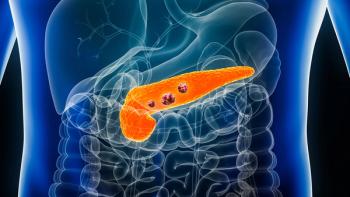
New analysis of phase 3 data shows Sobi's olezarsen reduced acute pancreatitis events and triglycerides in a pooled CORE/CORE2 subgroup with severe hypertriglyceridemia.
Advertisement
Advertisement
Trending on BioPharm International
1
Treasury Proposes Adding Biotech to Outbound Investment Restrictions Under COINS Act
2
BioNTech, BMS to Pair Pumitamig With Trodelvy in Phase 3 First-Line TNBC Trial
3
TaiMed’s Anti-CD4 Antibody TMB-365 Reduces HIV Viral Load in Phase 1, Supporting Long-Acting Combination Regimens
4
FDA Grants Accelerated Approval to Ultomiris as First C5 Inhibitor for IgA Nephropathy
5