New clinical data highlight improved disease control, reduced eye bulging, and weight-loss benefits, potentially broadening options for patients with unmet needs.
Feliza Mirasol is the science editor for BioPharm International.
New clinical data highlight improved disease control, reduced eye bulging, and weight-loss benefits, potentially broadening options for patients with unmet needs.

Antisense oligonucleotides are reshaping drug design, from RNase H gapmers to inhaled delivery; this FAQ explains how they work and why trials still fail.
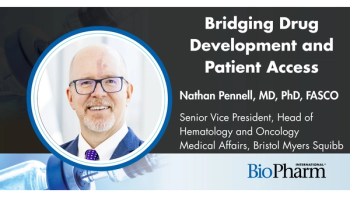
Bristol Myers Squibb's Nathan Pennell explains how the MRD endpoint supports accelerated approval in multiple myeloma without changing how clinicians monitor patients.

Teprotumumab N01 (Sycume) reduced eye bulging in 60.4% of patients with chronic, inactive thyroid eye disease in a phase 3 trial.
New clinical milestones, manufacturing investments, and regulatory incentives could help developers overcome barriers to delivering treatments for patients with rare diseases.

Genglycos, the gene therapy that earned the voucher, will fund new Ultragenyx therapies for other rare and ultra-rare diseases.
New regulatory decisions, manufacturing partnerships, and financing pressures are reshaping access, supply, and development pathways for emerging advanced therapies.

Caribou is halting vispa-cel and CB-011, allogeneic CAR-T therapies that showed up to 92% response rates, citing a difficult financing environment.

AbbVie's c-Met ADC Temab-A showed a 15.6% response rate in late-line colorectal cancer ahead of its 2 new FDA breakthrough designations.
New data and partnerships are advancing brain-penetrant enzyme therapy, targeted antibodies, flexible obesity dosing, and frontline lymphoma treatment strategies.

CSL and Alentis will co-develop lixudebart, an antibody targeting claudin-1, across 3 rare kidney and liver disease indications.

AL050 aims to treat GBA1-driven Parkinson disease by delivering a GCase enzyme across the blood-brain barrier.
Survodutide advances metabolic disease treatment, while biosimilar capacity expands, FDA delays hemophilia review, and lupus data support next steps.

Manufacturing remediation, not efficacy or safety data, is delaying US approval of Novo's h+emophilia A therapy denecimig.

Doubled drug substance capacity at Alvotech's Reykjavik, Iceland, site aims to secure steady US supply of the Humira biosimilar Simlandi.
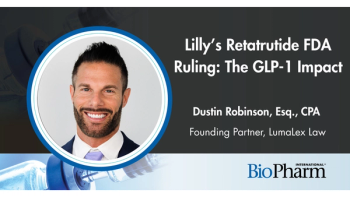
LumaLex Law's Dustin Robinson explains why retatrutide compounding remains illegal regardless of the Seventh Circuit's pending classification ruling.

The 15-month project could let living cell therapies ship and store at room temperature, cutting cold-chain costs that limit patient access.
A planned phase 3 trial will test the TROP2 ADC and PD-1/VEGF bispecific together in 1st-line triple-negative breast cancer.

Patients suffered pyrogenic reactions before Fresenius Kabi recalled 3 contaminated batches at its 430,000-sq-ft Melrose Park, Ill., biologics plant.
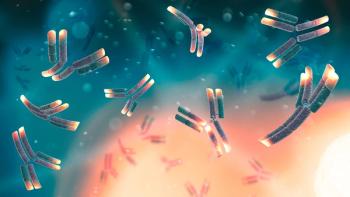
Sanofi is paying Regeneron up to $8 billion to co-develop REGN20423 and 3 other long-acting antibodies beyond dupilumab (Dupixent).

Denosumab-adet now covers all 3 Xgeva indications, widening lower-cost treatment access for cancer patients with bone complications.

More than half of patients achieved clear or almost clear hands and feet with lebrikizumab by week 16, and 77% reported satisfaction with clearance.

NouvSight001 isn't limited to the RPE65-mutation subset current gene therapy treats, potentially reaching more of the 1.5 million with RP worldwide.

Ivonescimab, in phase 3 trials across 8 tumor types, will be paired with sonesitatug vedotin in new gastrointestinal cancer trials.
Today’s biopharma news highlights how new data could reduce treatment burden, improve excipient information sharing, and shape future options for patients with difficult-to-treat cancers.

Daiichi Sankyo and Merck pulled ifinatamab deruxtecan's FDA filing in small cell lung cancer after a 187-patient trial fell short.

Insulin efsitora alfa-gobe (Onswik) cuts injections from 365 to 52 a year for adults with type 2 diabetes, per its new FDA approval.
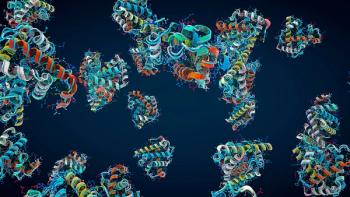
Genentech is paying Earendil Labs $55 million upfront in a deal worth over $1.5 billion to develop bispecific antibodies for hard-to-treat cancers.
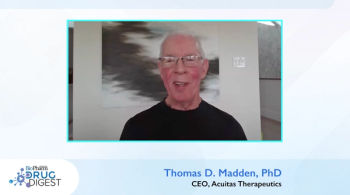
Acuitas CEO Dr Thomas Madden and NanoVation co-founder and president Dr Dominik Witzigmann discuss how LNP engineering is expanding genetic medicine applications to traditionally undruggable targets.

Guselkumab eased spinal pain, stiffness, and MRI-confirmed spinal inflammation in a 411-patient trial of psoriatic arthritis with axial involvement.
Published: August 28th 2026 | Updated: September 3rd 2026
Published: October 11th 2024 | Updated: March 3rd 2025

Published: September 11th 2024 | Updated: September 18th 2024

Published: March 27th 2024 | Updated: June 28th 2024

April 2nd 2026