


Satralizumab cut MOGAD relapse risk 68% in a phase 3 trial, positioning it as the first potential treatment for this rare disease.
Feliza Mirasol is the science editor for BioPharm International.
Satralizumab cut MOGAD relapse risk 68% in a phase 3 trial, positioning it as the first potential treatment for this rare disease.

Ersodetug missed its phase 3 primary endpoint in congenital HI, but FDA is reviewing CGM data showing 50%+ hypoglycemia reductions.
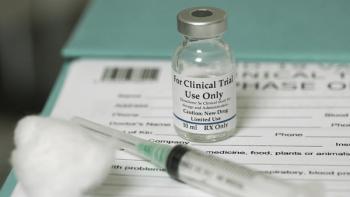
Del-desiran missed its primary endpoint in a phase 3 DM1 trial, though secondary measures showed signs of clinical activity.

BrainChild Bio's BCB-276 extended survival to 19.8 months from diagnosis in phase 1, backing its $116 million-funded pivotal DIPG trial.

Moonwalk's $70 million new funding advances MW101, an adipose-targeted siRNA aiming to cut fat while preserving muscle in obesity patients.

9MW1911 cut severe COPD exacerbations by up to 100% at the highest dose, supporting Mabwell's push toward phase 3 development.

Acepodia's ACE723 delivers 2 cytotoxic payloads to GPC3-positive tumors, clearing FDA review to begin trials in liver cancer.

GSK's up to $1.3 billion deal centers on HUTCHMED's HMPL-A830, which pairs a KRAS inhibitor with an EGFR antibody.
Apazunersen missed its primary endpoint in a phase 3 Angelman syndrome trial, meaning that patient population remains without an approved treatment option.
Here's what you need to know about how stability programs assess potency and purity in complex biologics, like bispecific antibodies, under ICH Q5C and FDA guidance.

NewBiologix's Xcell platform aims to replace costly transfection with stable cell lines for Synastra's high-dose DMD gene therapy.

Teva's TEV '408 blocked gluten-induced gut damage in a phase 2a trial, supporting its use for celiac disease, which has no approved drug treatment.

SIM0660's dual CD79a/CD19 targeting aims to deepen B-cell depletion, supporting Roche's up-to-$1.53 billion bet on Simcere Zaiming's TCE platform.

AstraZeneca's Enhertu plus pertuzumab cut progression risk 44%, extending PFS past 3 years as the first new 1st-line HER2+ regimen in 10 years.
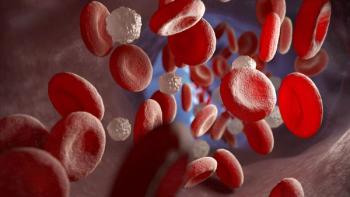
PharmaEssentia's ropeginterferon alfa-2b-njft (Besremi) cut ET response rates to 43% versus 6% for anagrelide, backing a first-in-decades FDA nod for a new rare blood cancer treatment.

LIlly reports that Taltz plus Zepbound helped 30.6% of psoriasis patients clear skin and lose 10%+ weight at 1 year, versus 4.4% on Taltz alone.
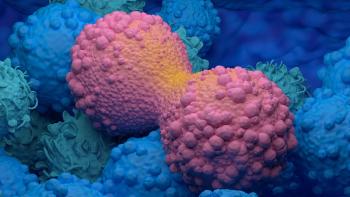
TSY-110 could become the first biosimilar rival to Roche's ado-trastuzumab emtansine (Kadcyla), a $2.5 billion HER2 breast cancer therapy.
DualityBio's DUP5 payload shrank tumors resistant to topoisomerase inhibitor ADCs, backing its new $1 billion-plus deal with Genentech.

Mayo Clinic’s Dr Keith L. Knutson and CellxLife’s Dr. von Hofe discuss why cancer vaccines may succeed where checkpoint inhibitors fall short in 60 to 70% of patients.

Varsetatug masetecan (Varseta-M) posted a 32% response rate in colorectal cancer, backing its new FDA fast track designation.

Amgen and AstraZeneca's tezepelumab (Tezspire) eased swallowing and cut esophagus inflammation in a 368-patient trial through week 52.
Biopharma mergers and acquisitions aren’t one-size-fits-all—this FAQ breaks down how deal type shapes premium pricing, deal protection, and IND sponsorship obligations.

Vanda's single-dose antibody was shown to clear severe pustular flares within weeks and is now recognized as a priority treatment across 3 continents.

Genentech is betting up to $2.3 billion on an obesity drug designed to build muscle while cutting fat, addressing a GLP-1 side effect.

The company's first-in-class immune-boosting antibody could become the first approved treatment for a cancer with no existing options.

AbbVie's bispecific antibody posted a 90% response rate in squamous NSCLC, headlining the company's expanding lung cancer pipeline data.
Dr Eric von Hofe of CellxLife and Dr Keith L. Knutson of Mayo Clinic explain why manufacturing speed and cost will determine the scalability of personalized cancer vaccines.

Avexitide cut severe hypoglycemic events 55% in a pivotal PBH trial, positioning it to become the condition's first approved therapy.

Regeneron Pharmaceuticals' garetosmab-grts has become the first approved therapy to shrink new bone lesions in FOP, cutting them by up to 94% as it targets the disease's root biology directly.

The companies are targeting a protein on glioblastoma's treatment-resistant tumor stem cells, which could open a new path past the blood-brain barrier.