



Media developers and vector manufacturers face a combination of challenges and opportunities.

A tidal wave of questions floats the need for more upstream automation.
The milestone approval of a gene-edited therapeutic paves the way for gene-editing technologies.

Both adherent and suspension cell culture approaches have their pros and cons, which must be considered for process development.

Media developers and vector manufacturers face a combination of challenges and opportunities.
It is crucial to examine the context in which single-use waste is viewed.

Lives are saved when time from vein to vein decreases.
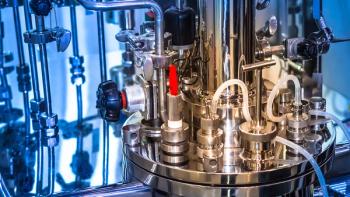
The innovation of going from stainless-steel bioreactors to fixed-bed bioreactors shows an evolution in upstream optimization.

Process and plasmid design optimization, disposable equipment, and flexible platform processes all play important roles.
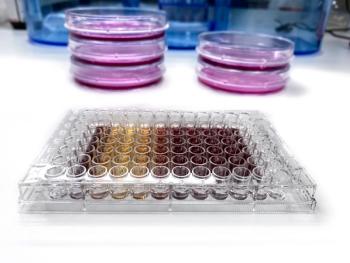
Decreasing vein to vein time saves lives.

Experts reveal how to identify the “right” biochemical, the process of sourcing biochemicals, sourcing challenges, and what industry professionals should know about the space.
Using a predictive modeling approach can help tighten up operator control over bioprocessing, which in turn can increase bioreactor output.
Cytiva’s acquisition of CEVEC Pharmaceuticals strengthens the company’s cell line development and biomanufacturing capabilities.
Thermo Fisher’s new centrifuge technology is designed to enable efficient, sustainable cell culture harvesting.

The industry revisits the pros and cons of microbial fermentation at scale for biotherapeutics.
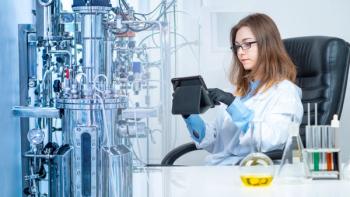
A predictive modeling approach can offer tighter process control, which can optimize bioreactor output.

Successful scale-up and BLA filings for products manufactured by microbial biomanufacturing require strategic planning.

Industry adoption of plant-made biologics remains slow, but plant-based technology gains an advantage by mainstream exposure.
Under the collaboration, Avantor and GeminiBio will offer custom cGMP solutions to enhance process efficiency and accelerate speed-to-market of novel emerging therapy modalities.
MilliporeSigma’s new BioContinuum Seed Train Platform offering enables a fully closed bioprocessing environment for both fed-batch and perfusion N-production.
The expansion at Seqirus’ Holly Springs, N.C., manufacturing facility will support the formulation and fill/finish of influenza vaccines.
Extensive work has greatly expanded the possibilities for fetal bovine serum sourcing.
908 Devices and CPI have formed a collaboration to optimize cell culture media to allow for improved process control.

Workforce training is crucial for biopharmaceutical manufacturing.

The growing demand for antibody and other bio-therapeutics will require long-term scale-up solutions.
Flexible and efficient methods are needed for biopharmaceutical manufacturing.

The use of bioengineering offers practical tools for the evolution of host cells.
Recent trends in data analytics highlight the use of modeling techniques to improve process control and monitoring in biopharmaceutical production.
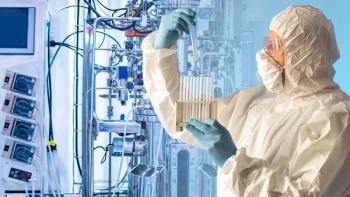
The growing use of automation and digitalization technologies push cell culture bioprocessing forward.