




Avantor is continuing its investment to support the biopharma market with the opening of its new distribution center in Dublin, Ireland.
The evolution of therapeutic modalities drives the adoption of single-use technologies.
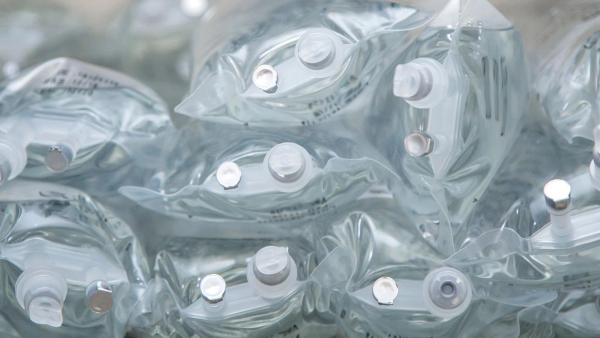
Despite a growing number of biosimilar approvals, market uptake remains a challenge.

Given the criticality of fill/finish processes, it is clear that automation is the next technological step.
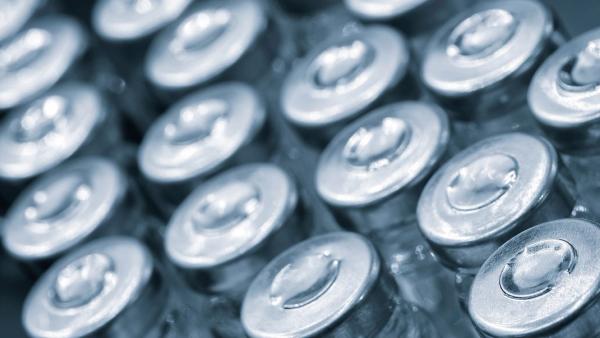
Avantor is continuing its investment to support the biopharma market with the opening of its new distribution center in Dublin, Ireland.
The new Massachusetts facility will strengthen Cytiva’s cell culture services.
Scorpion’s new facility is designed for the development and manufacturing of clinical and commercial-scale biologic drugs.
Gerresheimer and Nelson Labs will work together to conduct extractables and leachables testing on upcoming primary packaging solutions.
Steriline will be exhibiting its vial filling and capping machine (VFCM100) under double-wall isolator for aseptic filling at CPHI 2022 in Frankfurt, Germany, on Nov. 1–3, 2022.

Pharma companies set goals and adopt more sustainable alternatives.

Learning from early market failures, the biopharma industry has worked to improve the fate of antibody drug conjugates.

In this article, the potential pitfalls of technology transfers are discussed as well as ways to ensure a smooth transition.

Various advances in contamination control are being utilized to reduce the chance pollutants contaminate a drug product.
The newly formed partnership between CSafe and BioLife will expand cold chain supply chain solutions for the cell and gene therapy market.
Under two new agreements, Societal CDMO will offer analytical, technical transfer, formulation, manufacturing, and packaging services for novel therapeutics.
Aragen’s new 12,000 ft² facility will include various dosage form capabilities, including oral solids, liquids, topicals, and films.
Recipharm’s new high speed filling line, designed for pre-filled syringes and cartridges, is expected to be operational by May 2023.
Integrated project delivery can fast-track delivery targets by eliminating the waste involved in traditional approaches to project set-up and execution.
Using a predictive modeling approach can help tighten up operator control over bioprocessing, which in turn can increase bioreactor output.
Cytiva’s acquisition of CEVEC Pharmaceuticals strengthens the company’s cell line development and biomanufacturing capabilities.
Freudenberg Medical’s Heflix TPE tubing is a high purity TPE intended for bioprocessing applications.
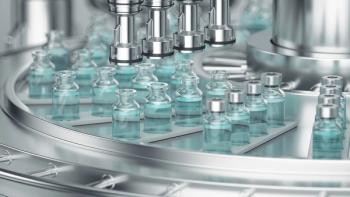
Both demand for and investment in fill/finish capacity continue to rise.

The industry revisits the pros and cons of microbial fermentation at scale for biotherapeutics.
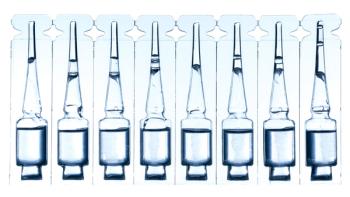
BFS technology can help maintain sterility during the biologics manufacturing process.

A simplified downstream process can save time and costs but requires enabling technologies.
Technological developments in real-time supply chain operations provide biologics manufacturers with capabilities that go beyond supply chain visibility to tangibly address security and quality challenges.

Biopharma focuses on streamlining biomanufacturing and supply chain issues to drive uptake of cell and gene therapies.
Forge Biologics will offer three grades of plasmid manufacturing services at its Columbus, Ohio, location.