


Clinical Trial Materials
Latest News

Advertisement
Latest Videos


Advertisement
More News
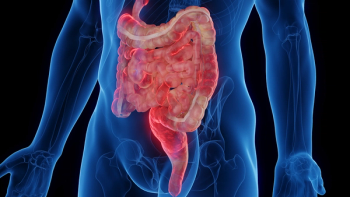
Johnson & Johnson's guselkumab achieved up to 29% fistula remission in hard-to-treat Crohn disease subgroups, including prior biologic failures.

Odyssey's 146-patient phase 2a trial will pair OD-001 with vedolizumab, targeting both innate and adaptive immune drivers of ulcerative colitis.

MT027, T-MAXIMUM's B7-H3 CAR-T therapy, earns a second FDA-cleared phase 2 trial, now testing lung and breast cancer brain metastases.

Teprotumumab N01 (Sycume) reduced eye bulging in 60.4% of patients with chronic, inactive thyroid eye disease in a phase 3 trial.

Decentralized clinical trials can reduce patient burden and expand access, but they also introduce new challenges for clinical trial logistics, supply chain management, technology, data, and regulatory oversight.

More than half of patients achieved clear or almost clear hands and feet with lebrikizumab by week 16, and 77% reported satisfaction with clearance.

NouvSight001 isn't limited to the RPE65-mutation subset current gene therapy treats, potentially reaching more of the 1.5 million with RP worldwide.

Guselkumab eased spinal pain, stiffness, and MRI-confirmed spinal inflammation in a 411-patient trial of psoriatic arthritis with axial involvement.

Amgen's Dazodalibep Meets Primary Endpoint in Phase 3 Sjögren's Trial
Published: | Updated:
Dazodalibep hit its phase 3 primary endpoint at week 48, building on phase 2 data showing a 6.3-point ESSDAI reduction versus placebo.

Novo Nordisk reports that CagriSema outperformed tirzepatide with 12.4% weight loss versus 9.1% in a phase 3 trial in adults with type 2 diabetes.

New data show risk-based and centralized monitoring shifts effort across roles, sites, and timelines, reshaping how sponsors plan CRA capacity needs.

Laru-zova helped 31% of high-dose patients gain 15+ letters of vision, representing the first pivotal trial to succeed in treating XLRP.
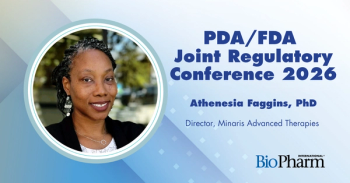
Athenecia Faggins of Minaris Advanced Therapies discusses raw material qualification, supplier management, testing, and risk control for advanced therapy manufacturing.

Phio's PH-762 posted a 70% response rate in skin cancer, supporting its FDA briefing package for a planned phase 2b trial.

With 15 patients now dosed in its pivotal EMERALD trial, Resolution will build on the 70% 4-year transplant-free survival seen with RTX001 in earlier data.
Del-desiran missed its primary endpoint in a phase 3 DM1 trial, though secondary measures showed signs of clinical activity.

BrainChild Bio's BCB-276 extended survival to 19.8 months from diagnosis in phase 1, backing its $116 million-funded pivotal DIPG trial.

9MW1911 cut severe COPD exacerbations by up to 100% at the highest dose, supporting Mabwell's push toward phase 3 development.
Apazunersen missed its primary endpoint in a phase 3 Angelman syndrome trial, meaning that patient population remains without an approved treatment option.

Teva's TEV '408 blocked gluten-induced gut damage in a phase 2a trial, supporting its use for celiac disease, which has no approved drug treatment.

LIlly reports that Taltz plus Zepbound helped 30.6% of psoriasis patients clear skin and lose 10%+ weight at 1 year, versus 4.4% on Taltz alone.

AbbVie's bispecific antibody posted a 90% response rate in squamous NSCLC, headlining the company's expanding lung cancer pipeline data.

Merck and Moderna's Intismeran Autogene Plus Pembrolizumab Meets Endpoints in Phase 3 Melanoma Trial
Merck and Moderna report that the personalized mRNA plus mAb cancer therapy cleared its first phase 3 hurdle, cutting recurrence risk beyond pembrolizumab alone.
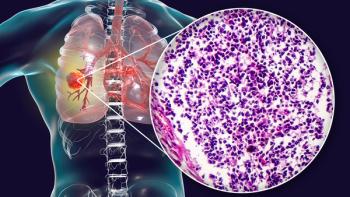
The independent data monitoring committee's finding leaves clinicians without a new option for PD-L1-low NSCLC, a population historically underserved by current immunotherapies.

Silence's siRNA drug freed 88% of trial patients from ongoing phlebotomies, a chronic burden for people with polycythemia vera.
Advertisement
Advertisement
Trending on BioPharm International
1
Treasury Proposes Adding Biotech to Outbound Investment Restrictions Under COINS Act
2
FDA Approves On-Body Injector Induction for Skyrizi in Crohn's Disease
3
The BioPharm Brief: Gilead’s Oral IL-23R Bet, Roche’s Trispecific Deal, and Treasury’s Biotech Investment Proposal
4
Zymeworks Licenses DLL3-Targeted Trispecific T-Cell Engager ZW209 to Roche in Deal Worth Up to $813 Million
5