Resolution Therapeutics has completed enrollment in its phase 1/2 EMERALD trial evaluating RTX001, an engineered regenerative macrophage therapy (RMT), in patients with end-stage liver disease (ESLD) and a history of decompensated liver cirrhosis, the company announced September 11, 2026.¹ A total of 15 patients were dosed with RTX001, and interim clinical data are expected in the fourth quarter of 2026.
Key facts
- Drug: RTX001 (Resolution Therapeutics)
- Class: Engineered regenerative macrophage therapy (IL-10 + MMP-9)
- Indication studied: End-stage liver disease (ESLD), decompensated cirrhosis history
- Trial: Phase 1/2 EMERALD; 15 patients dosed; enrollment complete
- Milestone: Interim data expected Q4 2026
- Administration: Peripheral IV infusion, <10 minutes, no pre-conditioning required
- Prior data: MATCH trial; 70% 4-year transplant-free survival vs 40% standard care
- Manufacturing: Cost of goods reduced 40% to date via process refinements
- Regulatory status: US pivotal study planned for 2027, pending pre-IND FDA meeting
- Disease burden: >500,000 US ESLD patients; projected 600,000 by 2040
"Dosing the final patient in the EMERALD trial marks a significant milestone for Resolution Therapeutics and reflects our progress toward a potential new treatment paradigm for end-stage liver disease," said Amir Hefni, PhD, CEO of Resolution Therapeutics, in a company press release.¹ "Patients with this condition face very limited options beyond transplantation and symptom management, and RTX001 has the potential to offer a differentiated, transformational therapeutic approach. We are working with urgency to advance the clinical program and bring this therapy closer to the patients who need it."
What is the EMERALD trial evaluating?
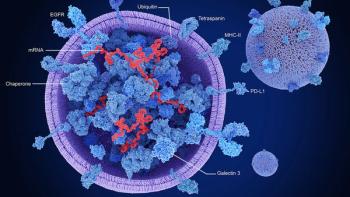
EMERALD is a multicenter, single-arm, first-in-human, open-label trial evaluating the safety and efficacy of RTX001 in patients with ESLD who have recovered from a recent hepatic decompensation, conducted at hepatology centers across the UK and Spain. RTX001 is engineered with interleukin-10 (IL-10) and matrix metalloproteinase-9 (MMP-9) to enhance the anti-inflammatory and anti-fibrotic effects of regenerative macrophage therapy. The therapy is administered via peripheral intravenous infusion in under 10 minutes, requiring no pre-conditioning, bridging therapy, or lymphodepletion.¹ In preclinical studies, engineering macrophages with IL-10 and MMP-9 produced a significantly greater reduction in systemic inflammation than non-engineered macrophages in mouse models of liver fibrosis.²
What clinical evidence supports RTX001's approach?
RTX001 builds on an earlier, non-engineered version of regenerative macrophage therapy tested in a phase 2 trial (MATCH), led by Resolution co-founder Stuart Forbes, MB CHB, FRCP(Ed), PhD, at the University of Edinburgh.¹,³ In 4-year follow-up data from the MATCH trial, 70% of patients who received macrophage therapy were alive without a liver transplant, compared with 40% of those who received standard care, with a favorable safety profile and no evidence of increased serious adverse events.³