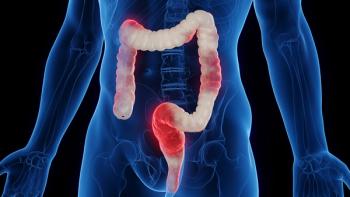
Teva Pharmaceutical Industries announced positive topline results from a phase 2a trial of TEV '408, an investigational anti-interleukin-15 (IL-15) monoclonal antibody, showing statistically significant and clinically meaningful prevention of gluten-induced intestinal damage compared with placebo in adults with celiac disease, the company announced September 2, 2026.¹ A single subcutaneous dose of TEV '408 was well tolerated, with no safety signals observed to date.¹
Key facts
- Drug: TEV '408 (Teva Pharmaceutical Industries)
- Class: Anti-IL-15 human monoclonal antibody
- Indication studied: Celiac disease, adults on gluten-free diet
- Trial: Phase 2a (NCT06807463); 50 patients
- Primary endpoint met: Vh:Cd ratio change -0.43 vs -0.88 for placebo (p<0.05)
- Secondary finding: Reduced intraepithelial lymphocyte density vs placebo
- Safety: Well tolerated; no safety signals to date
- Regulatory status: FDA fast track designation (celiac), granted May 2025
- Other indication: Also in phase 1b/2b development for vitiligo
- Funding: Up to $500 million from Royalty Pharma (January 2026 agreement)
"A strict gluten-free diet has long been the only option for people living with celiac disease," said Eric Hughes, MD, PhD, executive vice president, global R&D, and chief medical officer at Teva, in a company press release.1 "Yet, even with strict adherence to a gluten-free diet, many continue to experience symptoms, intestinal damage, and a significant impact on their daily lives. These results underscore the potential to move beyond managing gluten exposure and address celiac disease at its biological source."
What did the phase 2a trial show?
The ongoing, randomized, placebo-controlled trial (NCT06807463) enrolled 50 adults with celiac disease on a gluten-free diet with minimal baseline intestinal damage, who received a single dose of TEV '408 or placebo followed by a 6-week daily gluten challenge beginning 2 weeks after dosing. At week 8, the primary endpoint of villous height-to-crypt depth ratio showed a least squares mean change from baseline of -0.43 with TEV '408 compared with -0.88 for placebo, a treatment difference of 0.45 (95% confidence interval [CI], 0.06-0.84; p<0.05).¹ TEV '408 also showed a favorable effect on intraepithelial lymphocyte density, a measure of intestinal inflammation, with a least squares mean change of 0.37 compared with an increase of 27.60 for placebo (treatment difference, -27.23; 95% CI, -39.67 to -14.79), along with lower gastrointestinal symptom scores on the Celiac Disease Symptom Diary.¹
Why is a new treatment needed for celiac disease?
Celiac disease affects an estimated 1% of the global population, or more than 3 million people in the United States alone, and currently has no approved therapies, according to the company.1 A strict gluten-free diet remains the standard of care, but patients often continue to experience symptoms and intestinal damage from inadvertent gluten exposure.¹
IL-15 is overexpressed in the intestinal epithelium and lamina propria of patients with active celiac disease, where it drives the expansion and cytotoxic activity of intraepithelial lymphocytes that damage the gut lining, making it a validated therapeutic target.² TEV '408, discovered by Teva, is designed with high affinity and potency and a prolonged half-life intended to support convenient subcutaneous dosing.¹