
"Delivering this comprehensive briefing package to the FDA is a key achievement for the PH-762 program and an important step toward unlocking its clinical potential in cutaneous squamous cell carcinoma. We are encouraged by the Phase 1b findings and look forward to working with the FDA as we pursue the next phase of development."
News|Events|September 14, 2026
Phio Submits FDA Briefing Package for PH-762 in Skin Cancer
Author(s)Feliza Mirasol
Listen
0:00 / 0:00
Key Takeaways
- Phio submitted an FDA briefing package to support a planned phase 2b trial for PH-762.
- In its phase 1b trial, PH-762 achieved a 70% overall response rate in squamous cell carcinoma.
Phio's PH-762 posted a 70% response rate in skin cancer, supporting its FDA briefing package for a planned phase 2b trial.
Advertisement
Phio Pharmaceuticals has submitted a meeting request and comprehensive
"Delivering this comprehensive briefing package to [FDA] is a key achievement for the PH-762 program and an important step toward unlocking its clinical potential in cutaneous squamous cell carcinoma," said
What did the phase 1b trial show?
In the
How does PH-762 work?
PH-762 is built on Phio's proprietary INTASYL gene-silencing platform and is designed to silence the programmed cell death protein 1 (PD-1) gene implicated in various forms of skin cancer, intended to enhance the body's immune cells to more effectively kill cancer cells. PH-762 is a potential non-surgical treatment for skin cancers, according to the company.¹
How does gene silencing fit into the broader RNAi therapeutics landscape?
RNA interference (RNAi) is a naturally occurring cellular mechanism that uses small RNA molecules to selectively suppress the expression of disease-causing genes. Over the past decade, the modality has matured from a research concept into a validated therapeutic platform, resulting in multiple approved medicines for genetic, metabolic, and hepatic diseases.³ Despite this progress, delivery beyond the liver remains a significant challenge for many RNAi developers, and companies across the sector continue to invest in new chemistries, targeting approaches, and delivery technologies to expand the modality's reach into additional tissues and disease areas.³
City Therapeutics, for example,
What's next for PH-762?
Phio is preparing to manufacture clinical supplies for the planned phase 2b study, expected to be available in the first quarter of 2027. The dosing phase of the company's nonclinical toxicology study has been completed, and final activities supporting the next phase of clinical development are expected to be finished during the first quarter of 2027.¹
What are the limitations?
FDA submission of a briefing package does not guarantee a favorable regulatory outcome or clearance to proceed with the proposed phase 2b trial design. The phase 1b response-rate data are based on a small, uncontrolled, dose-escalation trial without a placebo or active comparator.
References
- Phio Pharmaceuticals. Phio announces key development milestone for PH-762 with FDA submission supporting next stage of clinical development in cutaneous squamous cell carcinoma. Press release. Published September 14, 2026. Accessed September 14, 2026.
https://phiopharma.com/phio-announces-key-development-milestone-for-ph-762-with-fda-submission-supporting-next-stage-of-clinical-development-in-cutaneous-squamous-cell-carcinoma/ - Phio Pharmaceuticals. Phio Pharmaceuticals announces key tumor response data from all cohorts in intratumoral PH-762 dose escalation cutaneous carcinoma trial. Press release. Published January 20, 2026. Accessed September 14, 2026.
https://phiopharma.com/phio-pharmaceuticals-announces-key-tumor-response-data-from-all-cohorts-in-intratumoral-ph-762-dose-escalation-cutaneous-carcinoma-trial/ - Setten RL, Rossi JJ, Han SP. The current state and future directions of RNAi-based therapeutics. Nat Rev Drug Discov. 2019;18(6):421-446. doi:
10.1038/s41573-019-0017-4 . - City Therapeutics. City Therapeutics announces $99.5 million Series B financing to advance next-generation RNAi therapeutics. Press Release. Published June 8, 2026. Accessed September 14, 2026.
https://www.citytx.com/news/city-therapeutics-announces-99-5-million-series-b-financing-to-advance-next-generation-rnai-therapeutics
Advertisement
Related to this article

Nuravax will test AV-1959R in a 160-adult phase 2 trial to see whether the amyloid vaccine can prevent Alzheimer disease before symptoms begin.

EA2251, the 7th registrational trial of ivonescimab, will test it plus chemotherapy vs pembrolizumab or durvalumab regimens in first-line BTC.
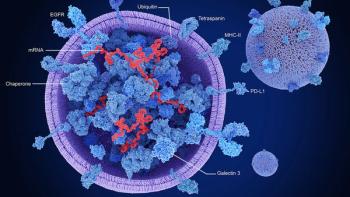
Inhaled EXO-CD24 kept 85% of patients with ARDS free of respiratory failure at day 7 vs 33.3% with placebo in a 90-patient phase 2b trial.
Guselkumab (Tremfya) sustained perianal fistula healing through 1 year in Crohn disease, with remission climbing to 35% in one FUZION dosing arm.

Zylidac will test whether optogenetic cell lines that hit 21 g/L in small-scale CHO runs can deliver higher-yield complex biologics at GMP scale.

Revakinagene taroretcel (Encelto), the only FDA-approved MacTel therapy, slowed photoreceptor loss by up to 54.8% vs sham in phase 3 trials.

Backed by €400 million (US$449 million) in EU-cleared German aid, the new Frankfurt facility is designed to secure insulin supply for people with diabetes from 2032.

In the phase 3 SHINE-2 trial, half of pediatric patients who responded to mirikizumab induction were in clinical remission at week 52. Lilly plans to file for a pediatric UC label expansion.
Advertisement
Advertisement
Trending on BioPharm International
1
Gilead to Buy Oral IL-23R Peptide HCXT-2001 for $1.275 Billion
2
Treasury Proposes Adding Biotech to Outbound Investment Restrictions Under COINS Act
3
Zymeworks Licenses DLL3-Targeted Trispecific T-Cell Engager ZW209 to Roche in Deal Worth Up to $813 Million
4
FDA Approves On-Body Injector Induction for Skyrizi in Crohn's Disease
5