






BioBusiness
Latest News

Advertisement
Latest Videos






Advertisement
More News

Kyverna Therapeutics and ElevateBio have entered a commercial manufacturing and supply agreement for miv-cel, Kyverna's autologous CD19-targeting CAR T-cell therapy, securing scalable production ahead of a planned launch in stiff person syndrome.
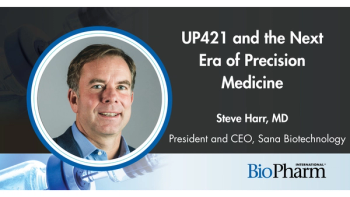
Sana Biotechnology's CEO, Dr Steve Harr, weighs in on how CRISPR-edited donor islet cells have survived 14 months without immunosuppression in a type 1 diabetes patient.
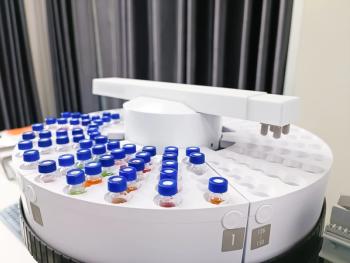
Dash Bio has raised $30 million in Series A financing led by Oak HC/FT to scale its automated, GLP-compliant bioanalysis platform, bringing total funding to $47.5 million as the company works to compress preclinical and clinical sample-testing timelines.
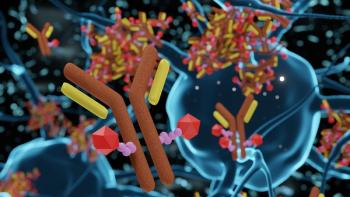
Under the deal, Pathos gains ex-China rights and will fund development of the bispecific ADC, already in phase 3 testing for triple-negative breast cancer.

Oblenio Bio has dosed the first patients in a phase 1a trial of tri-specific T-cell engager LBL-051 for refractory autoimmune disease.

Rocket Pharmaceuticals has reported a positive safety update for RP-A501 from the first 3 patients treated under a modified phase 2 protocol in Danon disease.

FDA has granted fast track designation to Aravax's PVX108, a peptide immunotherapy for peanut allergy, ahead of phase 2 data.

Precision analytics and flexible manufacturing are helping to advance safer, scalable bispecific antibodies, antibody-drug conjugates, and central nervous system monoclonal antibodies from development to patients.

Novo Nordisk's ziltivekimab failed to reduce cardiovascular events in the phase 3 ZEUS trial despite confirmed IL-6 target engagement.
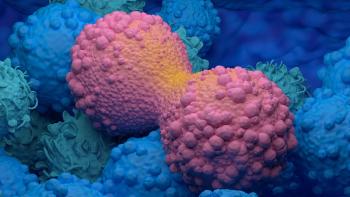
The EC has approved AstraZeneca and Daiichi Sankyo’s datopotamab deruxtecan ADC for 1st-line metastatic TNBC, which showed a 5.0-month overall survival benefit over chemotherapy.

Polpharma Biologics and Fresenius Kabi announced that the FDA and EMA have accepted for review PB016, a proposed biosimilar to Takeda's Entyvio (vedolizumab), with Fresenius Kabi holding exclusive global commercialization rights outside the Middle East and North Africa.

Kelun-Biotech's sac-TMT has gained NMPA acceptance for a new first-line indication application in advanced triple-negative breast cancer.

Collaboration between suppliers and developers, as well as viral vector manufacturing simplification, are becoming critical to CGT's commercial future, says Brandon Pence of FUJIFILM Biosciences.

FDA has granted priority review to Johnson & Johnson's Rybrevant Faspro for head and neck cancer, backed by 42% ORR in the OrigAMI-4 trial.

Aprea Therapeutics CEO Dr Oren Gilad discusses ASCO 2026 data for WEE1 inhibitor APR-1051 and the company's precision oncology strategy while at BIO 2026.

Allogene's cema-cel has received FDA RMAT and fast track designations for first-line consolidation therapy in high-risk large B-cell lymphoma.
FDA staff have questioned RP1's melanoma trial data ahead of a July 30, 2026 advisory committee vote, causing Replimune shares to fall 30%.
AbelZeta has received FDA RMAT clearance for a registrational phase 2 trial of its bispecific CAR-T therapy, C-CAR168, in refractory lupus nephritis.

GSK will invest £400 million (US$532 million) in a new Cambridge, UK, R&D center, relocating from Stevenage amid second quarter earnings and a cost-savings plan.
Brandon Pence, FUJIFILM Biosciences' president and chief operating officer, identifies cell consistency and viral vector capsid fill ratios as the 2 most critical unresolved hurdles in CGT manufacturing scale-up.

Harbour BioMed and Sinopharm have formed a strategic Innovation Consortium to co-develop biologics in oncology and immune-mediated inflammatory disease.

argenx will acquire Forte Biosciences for $2.2 billion, which will add first-in-class anti-CD122 antibody, FB102, to its immunology pipeline.

Johnson & Johnson reported that phase 3 MonumenTAL-6 data show Tecvayli plus Talvey cut the risk of progression or death by 89% in relapsed/refractory multiple myeloma.

Sanofi announced it has discontinued amlitelimab in atopic dermatitis, forgoing global regulatory submissions despite positive long-term phase 3 data.

Repligen will acquire BioLife Solutions for $1.5 billion, adding CryoStor biopreservation media to its cell therapy portfolio.
Advertisement
Advertisement
Trending on BioPharm International
1
Nuravax Alzheimer Vaccine AV-1959R Earns FDA Fast Track Designation
2
Nano24's Inhaled EXO-CD24 Cuts ARDS Mortality in Phase 2b Trial
3
Geneos Launches Phase 2 IMPACT31 Trial of Personalized DNA Cancer Vaccine to Prevent Liver Cancer Recurrence
4
Akeso's Ivonescimab Enters Phase 2/3 Biliary Tract Cancer Trial in US
5