




BioBusiness
Latest News
Advertisement
Latest Videos





Advertisement
More News

4basebio and Genezen have entered an expanded, non-exclusive collaboration giving drug developers access to 4basebio's hpDNA cell-free synthetic DNA technology within Genezen's viral vector development and manufacturing services, aiming to streamline gene and cell therapy programs from early development through commercial manufacturing.
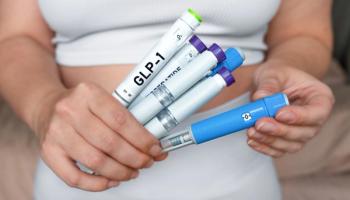
A retrospective cohort study published in Diabetes, Obesity and Metabolism found that sustained Zepbound (tirzepatide) use in adults over 55 with obesity was associated with lower monthly healthcare costs and fewer hospital admissions and emergency department visits compared with untreated matched controls.

Biopharma mergers and acquisitions aren’t one-size-fits-all—this FAQ breaks down how deal type shapes premium pricing, deal protection, and IND sponsorship obligations.
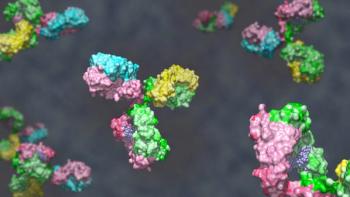
The FDA has approved two zanidatamab-hrii-containing regimens for first-line treatment of HER2-positive advanced gastroesophageal adenocarcinoma, based on Phase 3 HERIZON-GEA-01 data showing a median overall survival of more than two years, marking the second FDA approval for the bispecific antibody in under two years.

The FDA has granted Rare Pediatric Disease Designation to Mahzi Therapeutics' MZ-1866, an investigational AAV9-TCF4 gene replacement therapy for Pitt Hopkins syndrome, as the Phase 1/2 UNITE study surpasses 50% enrollment.
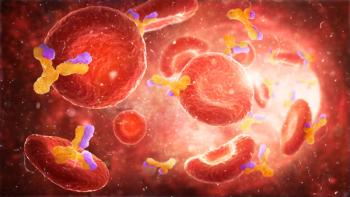
The FDA has approved IMAAVY (nipocalimab-aahu), an FcRn-blocking antibody from Johnson & Johnson, as the first therapy specifically approved for warm autoimmune hemolytic anemia (wAIHA), based on Phase 2/3 ENERGY trial data showing durable hemoglobin response and reduced fatigue versus placebo.

Vanda's single-dose antibody was shown to clear severe pustular flares within weeks and is now recognized as a priority treatment across 3 continents.

The FDA has extended the PDUFA target action date for Capricor Therapeutics' deramiocel BLA from August 22 to November 22, 2026, after the company submitted 24-month HOPE-3 open-label extension data supporting a refined indication focused on upper limb function.

The FDA has accepted for priority review GSK's sBLA for Jemperli (dostarlimab) in previously untreated stage II/III dMMR/MSI-H locally advanced rectal cancer, based on AZUR-1 data, with a PDUFA date of February 2027 and eligibility for the National Priority Voucher program.

Genentech is betting up to $2.3 billion on an obesity drug designed to build muscle while cutting fat, addressing a GLP-1 side effect.

The company's first-in-class immune-boosting antibody could become the first approved treatment for a cancer with no existing options.

Amplitude Therapeutics has entered a strategic research collaboration and licensing agreement with Eli Lilly and Company to discover and develop trans-amplifying RNA (taRNA) vaccine candidates for infectious diseases with high unmet need, with Lilly holding an option to add up to two additional targets.

AbbVie's bispecific antibody posted a 90% response rate in squamous NSCLC, headlining the company's expanding lung cancer pipeline data.
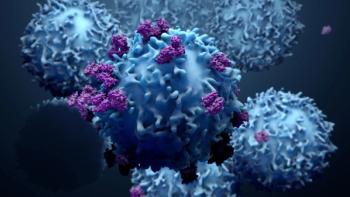
Adaptin Bio has opened enrollment in a first-in-human Phase 1 trial of APTN-101, a bispecific T-cell engager built on the company's BRiTE platform designed to cross the blood-brain barrier and target EGFRvIII-positive glioblastoma. The trial, conducted with Duke University, will enroll up to 15 adult patients with WHO Grade IV malignant glioma.
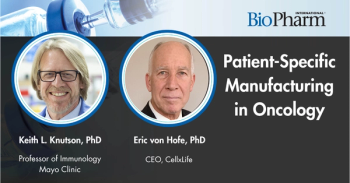
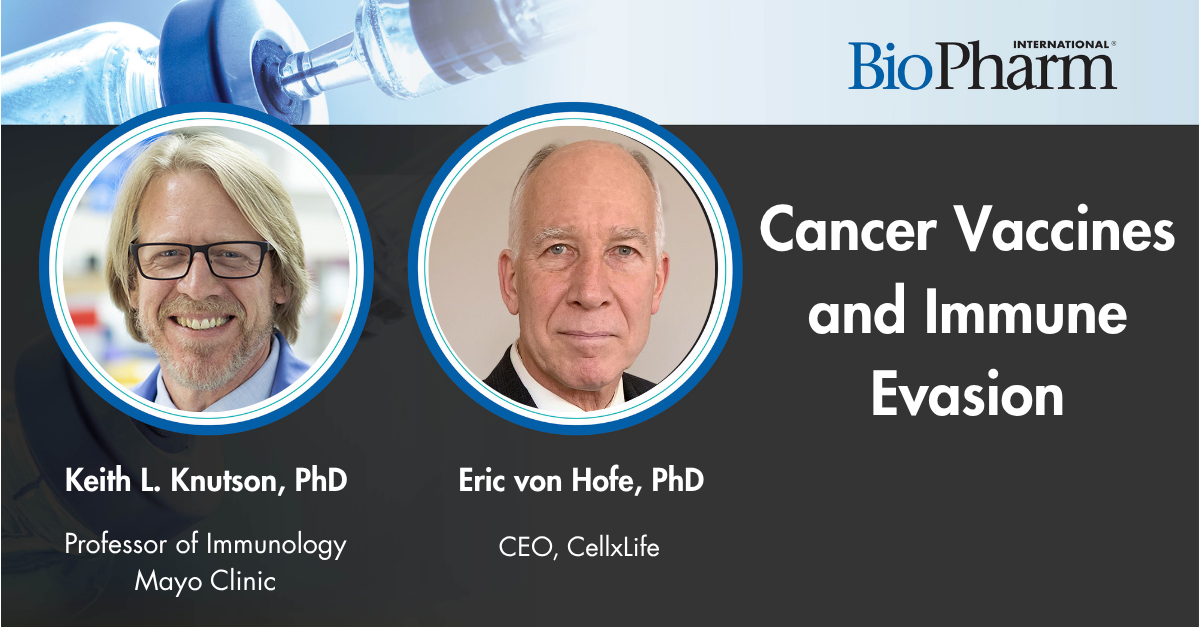
Dr Eric von Hofe of CellxLife and Dr Keith L. Knutson of Mayo Clinic explain why manufacturing speed and cost will determine the scalability of personalized cancer vaccines.

Avexitide cut severe hypoglycemic events 55% in a pivotal PBH trial, positioning it to become the condition's first approved therapy.
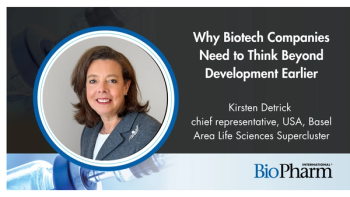
Kirsten Detrick, chief representative, USA, at Basel Area Life Sciences Supercluster, discusses why emerging biopharmaceutical companies should incorporate market access and commercial considerations earlier and how Basel’s concentration of cross-functional talent can support product development and launch.

Regeneron Pharmaceuticals' garetosmab-grts has become the first approved therapy to shrink new bone lesions in FOP, cutting them by up to 94% as it targets the disease's root biology directly.
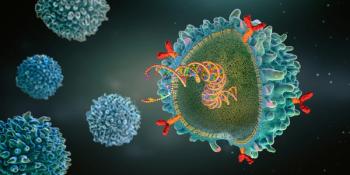
AbelZeta Pharma has reclaimed global rights to prizloncabtagene autoleucel from Janssen and secured FDA clearance to begin US trials, positioning the anti-CD20/CD19 bispecific CAR-T for patients who relapse after existing CAR-T therapies.

The companies are targeting a protein on glioblastoma's treatment-resistant tumor stem cells, which could open a new path past the blood-brain barrier.

Merck and Moderna's Intismeran Autogene Plus Pembrolizumab Meets Endpoints in Phase 3 Melanoma Trial
Merck and Moderna report that the personalized mRNA plus mAb cancer therapy cleared its first phase 3 hurdle, cutting recurrence risk beyond pembrolizumab alone.
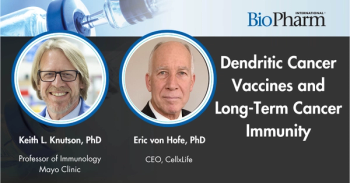
CellxLife CEO Dr Eric von Hofe and Mayo Clinic immunology professor Dr Keith L. Knutson explain how dendritic cell vaccines generate long-term immune memory to prevent cancer recurrence.

Eyconis has dosed the first patients in OVERTURE, a phase 1b/2a first-in-human trial of EYC-0305, an investigational anti-VEGF antibody fragment designed for six-month or longer dosing intervals in wet age-related macular degeneration, marking the company's transition to clinical-stage status.

Australia's first commercial imlifidase transplant offers a path forward for patients whose antibodies had blocked a compatible kidney.

The FDA has granted Fast Track designation to C-1101, Consano Bio's investigational platelet-derived multi-protein biologic for chronic, painful lumbosacral radiculopathy, following the drug's recent IND clearance and as the company advances a Phase 1 trial evaluating the epidural injection.
Advertisement
Advertisement
Trending on BioPharm International
1
Nuravax Alzheimer Vaccine AV-1959R Earns FDA Fast Track Designation
2
Nano24's Inhaled EXO-CD24 Cuts ARDS Mortality in Phase 2b Trial
3
Geneos Launches Phase 2 IMPACT31 Trial of Personalized DNA Cancer Vaccine to Prevent Liver Cancer Recurrence
4
Akeso's Ivonescimab Enters Phase 2/3 Biliary Tract Cancer Trial in US
5