


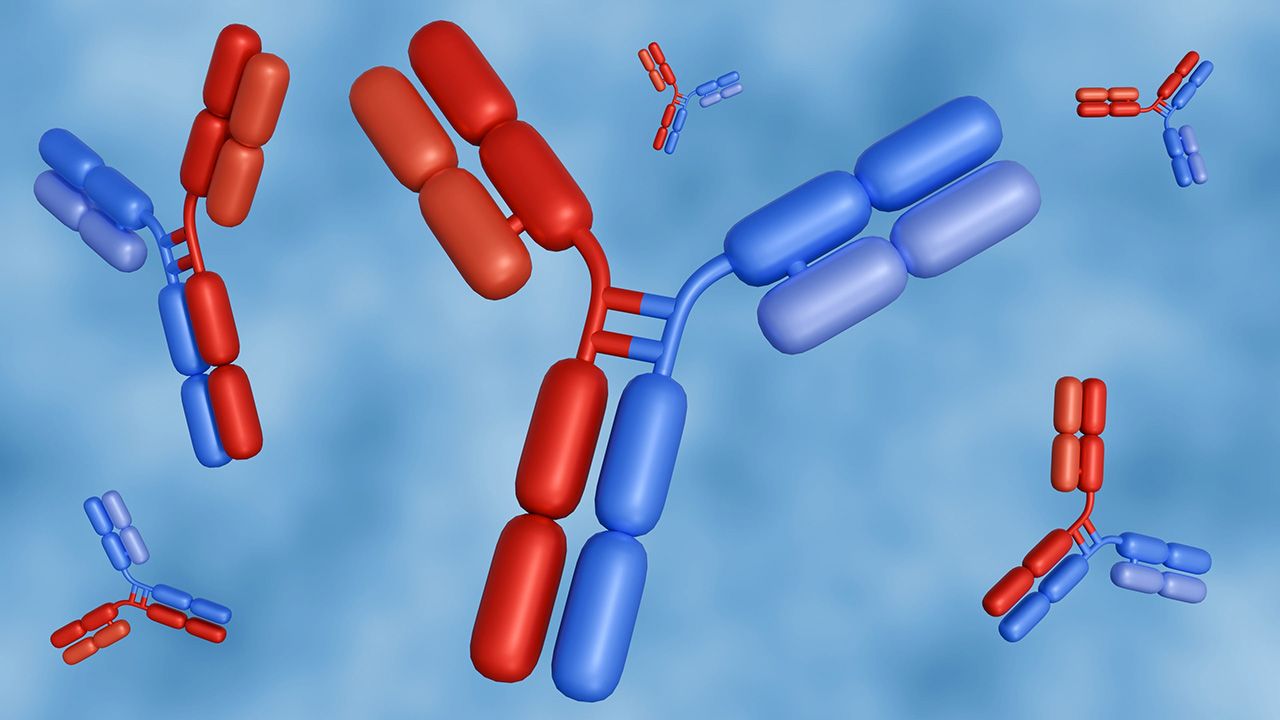



Dual primary endpoints were met in both PANKU-Breast02 and PANKU-Esophagus01 phase 3 trials based on interim analyses, while priority review is underway for the esophageal cancer indication in China, Bristol Myers Squibb and Biokin stated.

Dual primary endpoints were met in both PANKU-Breast02 and PANKU-Esophagus01 phase 3 trials based on interim analyses, while priority review is underway for the esophageal cancer indication in China, Bristol Myers Squibb and Biokin stated.

Biopharma in 2026 advances decentralized manufacturing, AAV automation, QC modernization, and APAC clinical trial strategy.
BioNTech and Bristol Myers Squibb report confirmed ORRs exceeding 60% at the lower dose in both non-squamous and squamous first-line NSCLC; three global Phase 3 trials are now enrolling.

New clinical and translational data presented at ASCO 2026 and published in Nature Medicine demonstrate encouraging anti-tumor activity and manageable safety for Immatics’ IMA401 TCR bispecific in patients with MAGE-A4-positive solid tumors.

Fosun Pharma has dosed the first participant in a mainland China trial of FXB0871, as a parallel phase 1 study continues in the United States and Canada under Teva's TEV-56278 designation

Phase 3 B-Well trial results published in The New England Journal of Medicine showed that GSK's investigational antisense oligonucleotide bepirovirsen achieved functional cure rates of up to 26% in chronic hepatitis B, significantly exceeding outcomes typically seen with current standard-of-care therapies.
Pfizer and Innovent Biologics have entered a global oncology collaboration worth up to $10.5 billion to develop 12 early-stage cancer programs, underscoring growing interest among multinational pharmaceutical companies in China's biotechnology innovation ecosystem.

New translational data from the AIPAC-003 trial suggest that systemic immune activation induced by eftilagimod alfa may be associated with improved progression-free and overall survival in patients with metastatic breast cancer receiving chemoimmunotherapy.

Newly published Phase 3 HERIZON-GEA-01 results in The New England Journal of Medicine showed durable progression-free and overall survival benefits with zanidatamab-containing regimens in first-line HER2-positive gastroesophageal adenocarcinoma, supporting their potential role as a new treatment standard.

Biohub has released an open-source AI protein design model aimed at early drug discovery, with initial testing in cancer and immune targets.

SENN Development CEO Dr. Johannes Eisenhut discusses how Basel’s expanding life sciences ecosystem supports biopharma innovation through research infrastructure and specialized talent growth.
Vir Biotechnology announced complete 96-week Phase 2 SOLSTICE trial data evaluating the combination of tobevibart and elebsiran in chronic hepatitis delta virus infection, with results showing sustained virologic suppression and liver function improvements.

Jade Biosciences announced dosing of the first participant in a Phase 1 clinical trial evaluating JADE201, an investigational anti-BAFF-R monoclonal antibody designed for autoimmune diseases including rheumatoid arthritis.

Apogee Therapeutics reported positive 16-week Phase 2 data for zumilokibart in moderate-to-severe atopic dermatitis, with the investigational anti-IL-13 antibody meeting all primary and secondary endpoints and supporting advancement into Phase 3 trials later this year.
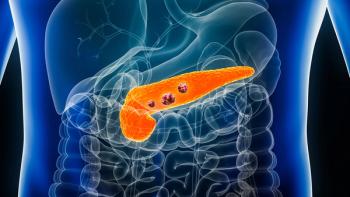
New analysis of phase 3 data shows Sobi's olezarsen reduced acute pancreatitis events and triglycerides in a pooled CORE/CORE2 subgroup with severe hypertriglyceridemia.

Celltrion’s Dr. Juby Jacob-Nara discussed how subcutaneous infliximab may improve convenience, adherence, and sustained remission for patients with inflammatory bowel disease, while reducing reliance on infusion centers and supporting broader patient-centered treatment goals.

New Phase 1 data from Eli Lilly’s investigational gene-editing therapy VERVE-102 showed durable LDL cholesterol reductions of up to 62% after a single dose, highlighting growing momentum for one-time cardiovascular genetic medicines targeting PCSK9.

A new DelveInsight pipeline report highlights how late-stage CAR-T and bispecific antibody therapies are driving the next wave of innovation in multiple myeloma, with several BCMA-targeted biologics advancing toward potential regulatory milestones. The report underscores growing industry focus on earlier-line immunotherapy use, durable responses, and evolving treatment sequencing strategies in relapsed and refractory disease.

TreeFrog Therapeutics reports that TFG-001 preclinical data suggest early dopamine release and graft-derived reinnervation in Parkinson disease models.
Subcutaneous infliximab may help improve treatment convenience, dosing consistency, and long-term adherence for patients with inflammatory bowel disease, according to discussions at DDW 2026. Clinicians highlighted the potential for self-administered infliximab to support sustained remission while reducing infusion-center burden and improving patient-centered care.

Kelun-Biotech reported positive Phase 3 results for sacituzumab tirumotecan in first-line metastatic triple-negative breast cancer, demonstrating a statistically significant improvement in progression-free survival versus chemotherapy. The findings further strengthen momentum behind TROP2-directed antibody-drug conjugates in oncology and highlight growing competition in the metastatic breast cancer treatment landscape.

The Phase 3 CANOPY-HCH-3 data show statistically significant gains in annualized growth velocity, standing height, and arm span at 52 weeks; regulatory filings planned for Q3 2026.

Merck has dosed the first patient in the Phase 3 PROCEDE-CRC-03 trial evaluating investigational antibody-drug conjugate precemtabart tocentecan in metastatic colorectal cancer. The CEACAM5-targeted ADC is being studied against standard chemotherapy in previously treated patients, highlighting growing industry momentum around targeted oncology therapies and next-generation antibody-drug conjugates.

Eli Lilly’s investigational obesity drug retatrutide produced up to 28.3% average weight loss in the Phase 3 TRIUMPH-1 study, strengthening momentum behind next-generation triple agonist therapies.

Avaí Bio and Austrianova have completed a GMP master cell bank for an early-stage α-Klotho cell therapy program.