




BioBusiness
Latest News
Advertisement
Latest Videos


Advertisement
More News

The FDA's approval of sacituzumab govitecan-hziy for first-line metastatic triple-negative breast cancer validates the Trop-2/SN-38 hydrolyzable linker platform across four positive Phase 3 trials, with implications for ADC development strategy, pharmacogenomic labeling, and biomarker-stratified regulatory programs.
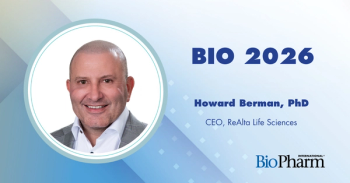
At BIO 2026, Dr Howard Berman, ReAlta Life Sciences’ CEO, explains how an astrovirus-derived anti-inflammatory peptide targets multiple pathways that drive neonatal hypoxic-ischemic encephalopathy (HIE).
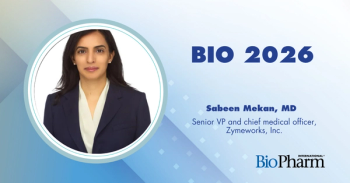
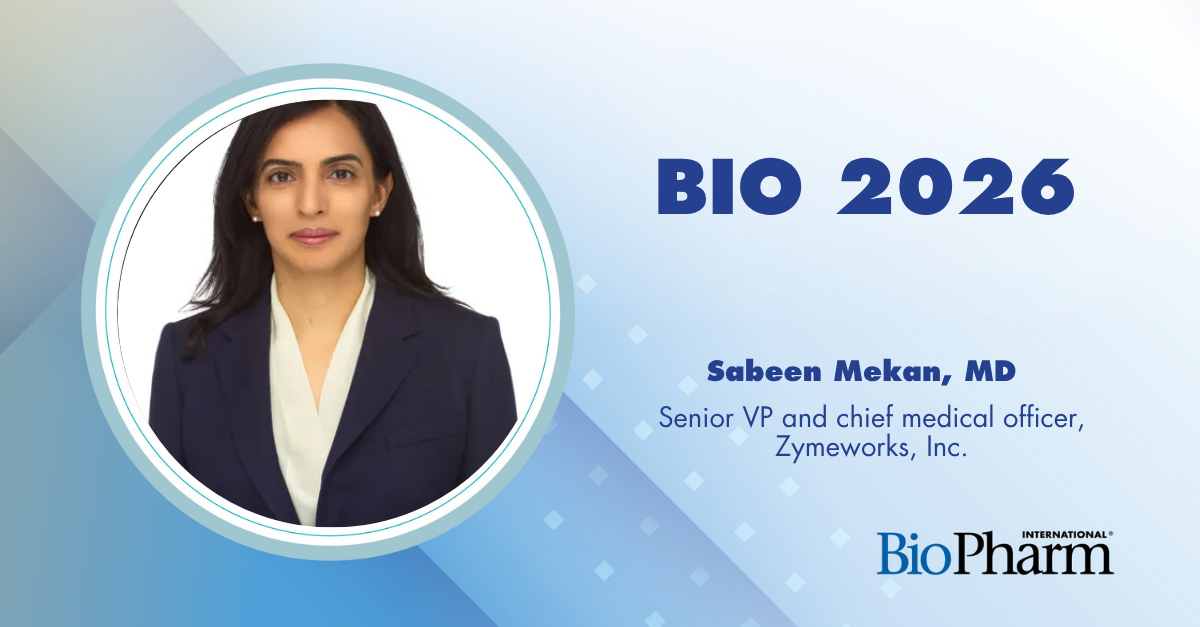
At BIO International Convention 2026, Sabeen Mekan, MD, Vice President of Clinical Development at Zymeworks and panelist for The Next Generation of ADCs: Building Kinder, Gentler Cancer Therapeutics, discusses why safety is becoming an increasingly important differentiator in antibody-drug conjugate development and how biomarker-driven patient selection may help guide future treatment decisions.
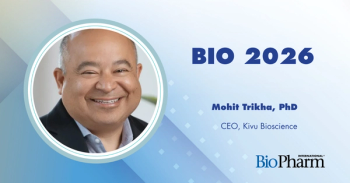
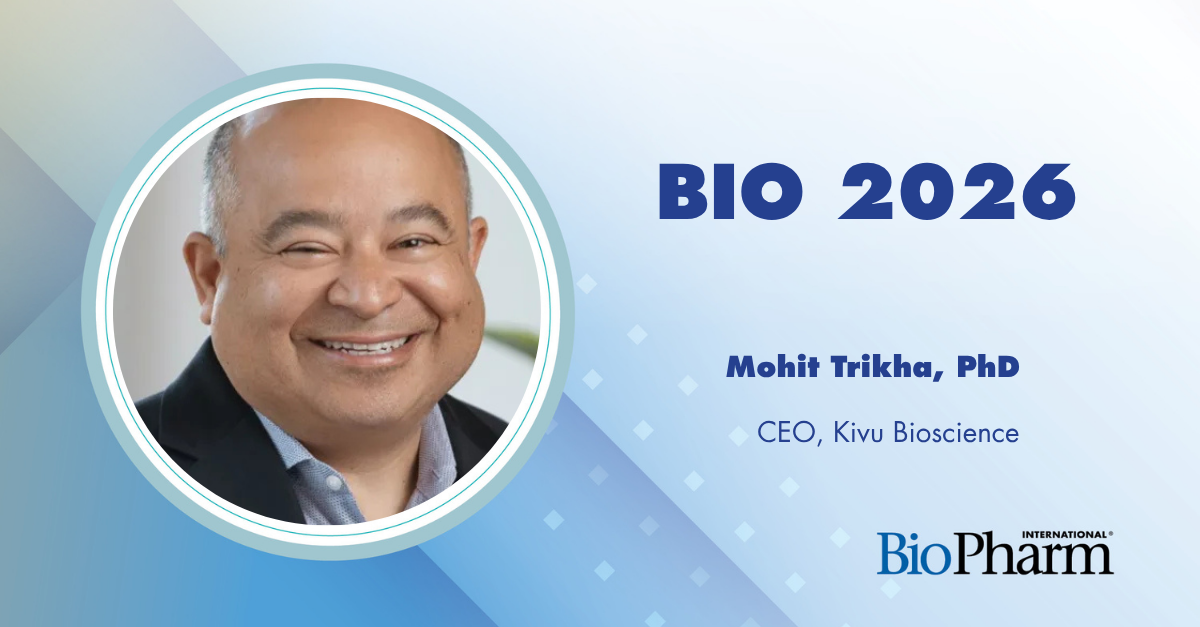
At the BIO International Convention 2026, oncology drug development expert Mohit Trikha, PhD, CEO, Kivu Bioscience, discusses the promise and limitations of organoids and other human-based preclinical models, emphasizing the need for stronger validation, cross-functional collaboration, and early regulatory engagement to improve clinical trial success rates.
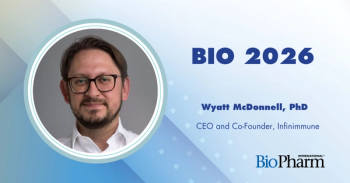
Dr Wyatt McDonnell, Infinimune CEO and co-founder, posits that translatable, decision-linked single-cell data, and not data volume, are what drive effective therapeutic antibody development in this second segment of an interview at BIO 2026.

AbbVie has entered a definitive agreement to acquire Apogee Therapeutics for $10.9 billion, adding zumilokibart, a subcutaneous half-life extended IL-13 monoclonal antibody in Phase 3 development for atopic dermatitis, asthma, and eosinophilic esophagitis.
Speaking at BIO 2026, Infinimune's Dr Wyatt McDonnell explains how the company’s human-derived antibody platform enables multi-objective optimization that AI alone and transgenic models cannot replicate.

The deal, announced at BIO 2026, carries total potential value exceeding $2.5 billion and will use Insilico's Pharma.AI platform to drive target-to-candidate discovery across neuroinflammatory, neurodegenerative, and rare neurological indications.

Takeda will use Boltz biomolecular AI models to support structure prediction, affinity estimation, and molecular design in preclinical research.

Basel’s innovation campus is expanding with new research institutes, laboratories, and collaborative infrastructure for life sciences growth.

The FDA has accepted Roche's supplemental BLA for a chemotherapy-free combination of mosunetuzumab (Lunsumio VELO) and polatuzumab vedotin (Polivy) in adults with relapsed or refractory large B-cell lymphoma, based on Phase 3 SUNMO trial data showing a 59% reduction in the risk of disease progression or death compared to standard salvage chemotherapy.

The supplemental approval is based on immunogenicity data from the STRIDE-13 phase 3 trial and, according to Merck, makes the vaccine the only one of its type specifically indicated for this at-risk pediatric population in the United States.
The company reported that phase I data show approximately 40% of patients remained cancer-free at 10 years, while 2 phase 2 trials are ongoing.

Q&A: Cytiva’s Pierre-Alain Ruffieux on Scaling Cell and Gene Therapy Manufacturing for Global Access
Cytiva’s Pierre-Alain Ruffieux discusses standardization, regionalization, talent gaps, and regulatory pathways shaping advanced biomanufacturing’s future ahead of BIO 2026.

The company reported that all three participants in the 3 µg/kg dose cohort achieved a ≥25% SALT score reduction following single-dose subcutaneous administration, with dose escalation ongoing toward a recommended phase 2 dose.
Johnson & Johnson reported that the MonumenTAL-3 trial showed 24-month progression-free survival up to 81.3% and overall survival up to 89.2% with the GPRC5D bispecific combination versus standard of care.

Novartis announced that delpacibart braxlosiran met primary and key secondary biomarker endpoints in the Phase 1/2 FORTITUDE study for facioscapulohumeral muscular dystrophy. The investigational antibody oligonucleotide conjugate is being evaluated as a potential disease-modifying therapy for a condition that currently has no approved treatments.

Gan & Lee has reported positive topline trial results for insulin ludefen in type 2 diabetes and the GLP-1 bofanglutide in obesity.
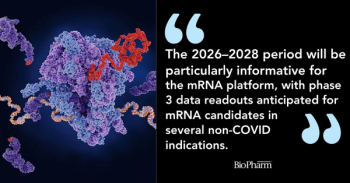
Phase 3 cancer vaccines and rare disease programs are positioning mRNA therapeutics beyond COVID-19, expanding precision treatment opportunities across oncology and genetic disorders.

Immunome Doses First Patient in Phase 1 Trial of Potential First-in-Class ADC IM-1617 for Advanced Solid Tumors
Published: | Updated:
Immunome has dosed the first patient in a Phase 1 clinical trial evaluating IM-1617, a potential first-in-class antibody-drug conjugate incorporating the company's proprietary HC74 topoisomerase I inhibitor payload. The study will assess safety and preliminary anti-tumor activity in patients with advanced solid tumors.

FDA has approved Organon's tocilizumab-bavi (Tofidence) for CAR T-cell–induced CRS and hospitalized COVID-19 in adults and children aged 2 years or older.
According to Eli Lilly and Company, the extended dosing interval reduces maintenance injections to as few as 6 per year without required topical corticosteroids.

Phase 3 data from Boehringer Ingelheim’s SYNCHRONIZE-1 and SYNCHRONIZE-MASLD trials meet their primary endpoints, with glucagon/GLP-1 dual agonism showing targeted metabolic fat reduction beyond body weight loss at 76 and 48 weeks.

The approval is based on phase 3 non-inferiority data from the IRAKLIA study, making isatuximab the first anticancer therapy administered via an on-body injector in the EU.
AI-driven protein design, continuous-learning R&D platforms, mechanistic PK/PD modeling, and automated analytical workflows are now foundational tools reshaping how biopharmaceuticals are discovered, characterized, and delivered.
Advertisement
Advertisement
Trending on BioPharm International
1
Nuravax Alzheimer Vaccine AV-1959R Earns FDA Fast Track Designation
2
Nano24's Inhaled EXO-CD24 Cuts ARDS Mortality in Phase 2b Trial
3
Geneos Launches Phase 2 IMPACT31 Trial of Personalized DNA Cancer Vaccine to Prevent Liver Cancer Recurrence
4
Akeso's Ivonescimab Enters Phase 2/3 Biliary Tract Cancer Trial in US
5