SCIEX

Articles by SCIEX

Quantitative protein expression analysis is essential for advancing mRNA therapeutics, providing the data needed to confirm effective and targeted protein production. This article explores key assay development strategies, analytical challenges, and the application of advanced liquid chromatography-mass spectrometry (LC-MS) techniques to achieve precise and reproducible quantitation of proteins expressed from mRNA therapies.

We understand you are busy, needing to prioritize running instruments, reporting results and managing your laboratory to meet deadlines. We created this solution guide to explain how SCIEX systems fit in the drug development pipeline to save you time evaluating options. This guide covers bio/pharmaceutical quantitative assays from discovery to QA/QC, for large and small molecules. Happy reading!

Glycan analysis provides key information on critical quality attributes that could affect stability, safety and efficacy of a protein therapeutic. Specific needs for understanding the glycosylation profiles change throughout the drug development process, but the requirement for high-resolution glycan information remains the same and is essential to help ensure product quality.

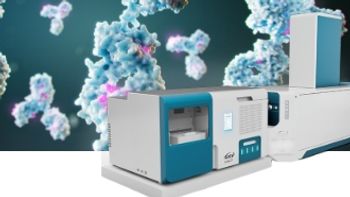
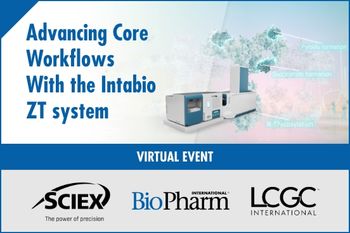
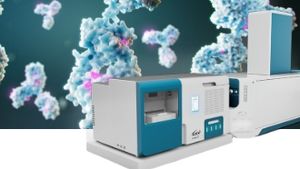
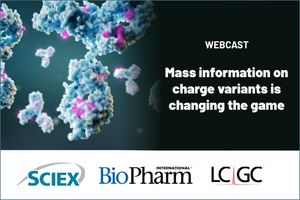
Explore how an integrated, single platform imaged capillary isoelectric focusing (icIEF)-UV/MS workflow with the Intabio ZT system aims to tackle the challenge of charge heterogeneity profiling with a disruptive strategy that allows for separation, quantitation, and identification of individual charge variants to be achieved in minutes on a single platform.

Charge heterogeneity is present in most biopharmaceutical protein products. During the manufacturing process, charge heterogeneity of the protein therapeutics can occur due to enzymatic cleavage and chemical post-translational modifications (PTM). For therapeutics like ADCs, not only the antibody contributes to the heterogeneity but also the linker and payload, which add even more complexity to the charge variant profiles. Characterizing the charge heterogeneity of ADCs is essential for critical quality attribute (CQA) assessment to ensure drug safety, efficacy, and potency.

Earlier assessment of molecules provides valuable insights into the manufacturing developability of molecules, reducing the need for unnecessary experimentation. The Intabio ZT system has the potential to make in-depth characterization of biopharmaceutical product charge variants quicker and more efficient to meet demanding timelines during early-phase clinical development.