

“We’re using AI to curate and synthesize massive amounts of information across the entire CancerLinQ network.” — Eron Kelly, CEO, ConcertAI
News|Videos|September 22, 2026
How Can AI Help Cancer Practices Improve Care and Clinical Research?
Eron Kelly, CEO of ConcertAI, and Dr. Shaalan Beg, CMO, oncology, ConcertAI, discuss how AI can help physicians access the right information at the right time while supporting clinical trials, research, and quality initiatives.
Advertisement
For oncology practices, clinical care and clinical research are increasingly interconnected.
“When we think about AI and automation, there are a couple of different analogies that are thrown out there,” Beg said. Beg compared the role of AI and automation to lane assist, helping physicians stay on course by surfacing relevant information and alerting them when they may be moving away from established goals.
Beg said this approach can support several priorities for cancer centers, including research, clinical trial enrollment, and quality improvement. CancerLinQ’s network includes NCI-designated Cancer Centers such as the University of Colorado and University of Rochester Medical Center, which use the network to support research using curated datasets, real-world evidence projects, and efforts to streamline clinical trial enrollment.
The technology can also support quality initiatives, Beg said, including efforts related to ASCO certification or quality programs developed within individual practices.
“What we're doing with the CancerLinQ Suite is we're using AI to curate and synthesize massive amounts of information across the entire CancerLinQ network, and then we're providing the right information at the right time to that physician,” Kelly said.
That could include helping identify patients who may be eligible for clinical trials or giving physicians access to information about care options based on cohorts of patients across the network.
For Kelly, the broader goal is not to replace clinical decision-making, but to give physicians better information to inform it.
“That’s what we're doing, and that's the goal of the CancerLinQ environment, is to help provide, again, that right information at the right time, so physicians can make better-informed decisions.”
Advertisement
Related to this article
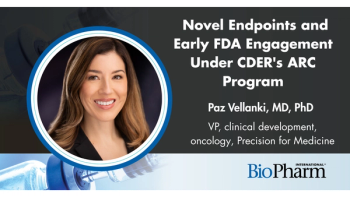
Former FDA oncology reviewer Paz Vellanki, MD, PhD, of Precision for Medicine, discusses how CDER's ARC program supports novel end points such as ctDNA for rare diseases and why sponsors should engage FDA early.
Clinical results reveal new opportunities and setbacks in rare disease and cancer care, shaping treatment strategies and future regulatory decisions.
New clinical data highlight improved disease control, reduced eye bulging, and weight-loss benefits, potentially broadening options for patients with unmet needs.
Antisense oligonucleotides are reshaping drug design, from RNase H gapmers to inhaled delivery; this FAQ explains how they work and why trials still fail.
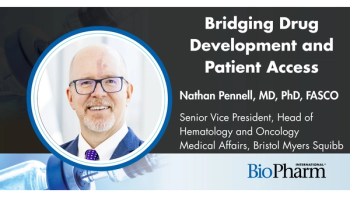
Bristol Myers Squibb's Nathan Pennell explains how the MRD endpoint supports accelerated approval in multiple myeloma without changing how clinicians monitor patients.
New clinical milestones, manufacturing investments, and regulatory incentives could help developers overcome barriers to delivering treatments for patients with rare diseases.
New regulatory decisions, manufacturing partnerships, and financing pressures are reshaping access, supply, and development pathways for emerging advanced therapies.
New data and partnerships are advancing brain-penetrant enzyme therapy, targeted antibodies, flexible obesity dosing, and frontline lymphoma treatment strategies.
Advertisement
Advertisement