
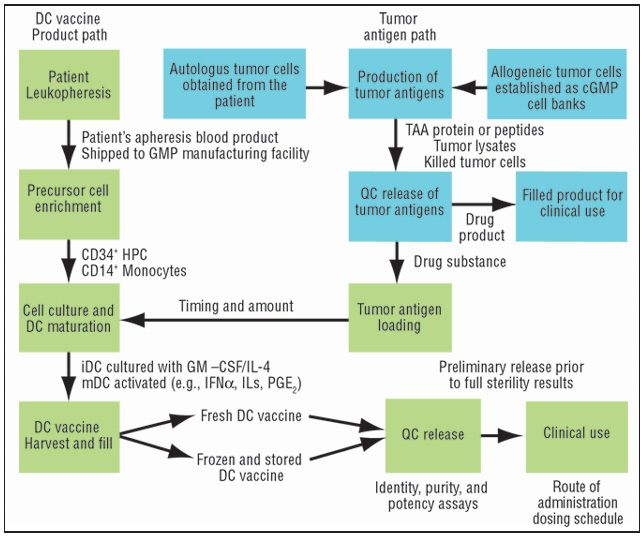



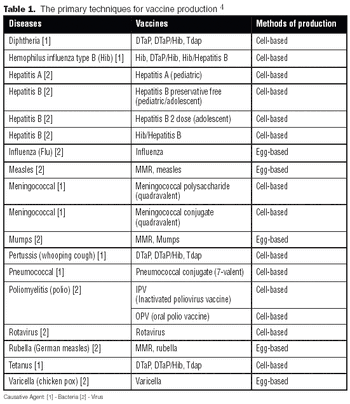
Like the egg-based vaccine production process, producing a vaccine under cGMP conditions using mammalian cells can be a lengthy process, taking a minimum of six to 12 months.
Like the egg-based vaccine production process, producing a vaccine under cGMP conditions using mammalian cells can be a lengthy process, taking a minimum of six to 12 months.
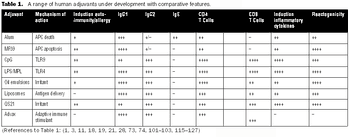
Adjuvant-caused vaccine reactions are one of the most important barriers to better acceptance of routine prophylactic vaccination.

The mounting threats of pandemic influenza, bioterrorism, and emerging infectious diseases continue to be the focus of research programs and funding initiatives, not only within governmental agencies, but also universities, private research firms, and commercial manufacturing entities. With all of these efforts, however, the question of manufacturing capacity and the ability to respond to pandemic and emerging threats continues to be a major concern.

The US Food and Drug Administration (FDA, Rockville, MD, www.fda.gov) has issued final recommendations for increasing the supply of safe and effective influenza vaccines for both seasonal and pandemic use.

Fortunately for all of us, not everyone's head is in the sand.
The FDA's (Rockville, MD, www.fda.gov) first approval in the United States of a vaccine for humans against the H5N1 influenza virus marks an important step forward in protecting the public against a pandemic influenza outbreak.
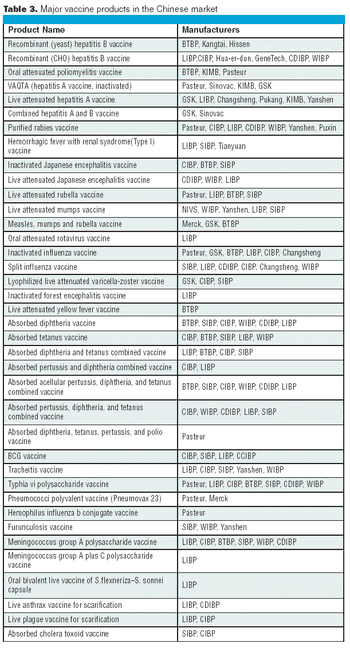
The Chinese vaccine market competition is now transferring from the former price-competition model to a technology- competition model.
Frequently asked questions on implementing and using single-use technologies

The approvals of two groundbreaking vaccines in the last month is encouraging news. Vaccines have long been undervalued because they haven't been as profitable as other pharmaceuticals. So it's good to see them getting deserved attention that goes beyond fears of flu outbreaks.
Several recent approvals highlight progress in developing both prophylactic and therapeutic vaccines.
The transdermal delivery of biologics-as well as of conventional drugs-is growing in popularity because the technique offers numerous advantages.

Disposables can be used for media preparation, clarification, filling in downstream processes . . .

Certain areas of the vaccine market appear to be in vogue again, revitalized by blockbusters such as Prevnar, the pneumococcal pneumonia vaccine that reaped $1.5 billion in sales last year, and the human papilloma virus vaccines, which are projected to reach $4 billion per year.

The federal government plans to spend $3.3 billion on bird flu initiatives, about half of that on a vaccine.

Human infections with avian flu strain H5N1 are occurring in a number of southeast Asian countries that have experienced large outbreaks of avian influenza. How great a risk to the human population is posed by this virus, and what steps can be taken to minimize its impact? Preventive vaccines have great potential to avert the spread of avian flu and other infectious diseases. What are the factors affecting the creation of new vaccines, and how can they be optimized to promote public health?

FDA plans to conduct good manufacturing practices (GMP) inspections of flu vaccine manufacturers annually instead of every two years.

Bioterrorism legislation is in the works, but there will be a tough fight to enact added liability protections for manufacturers.