
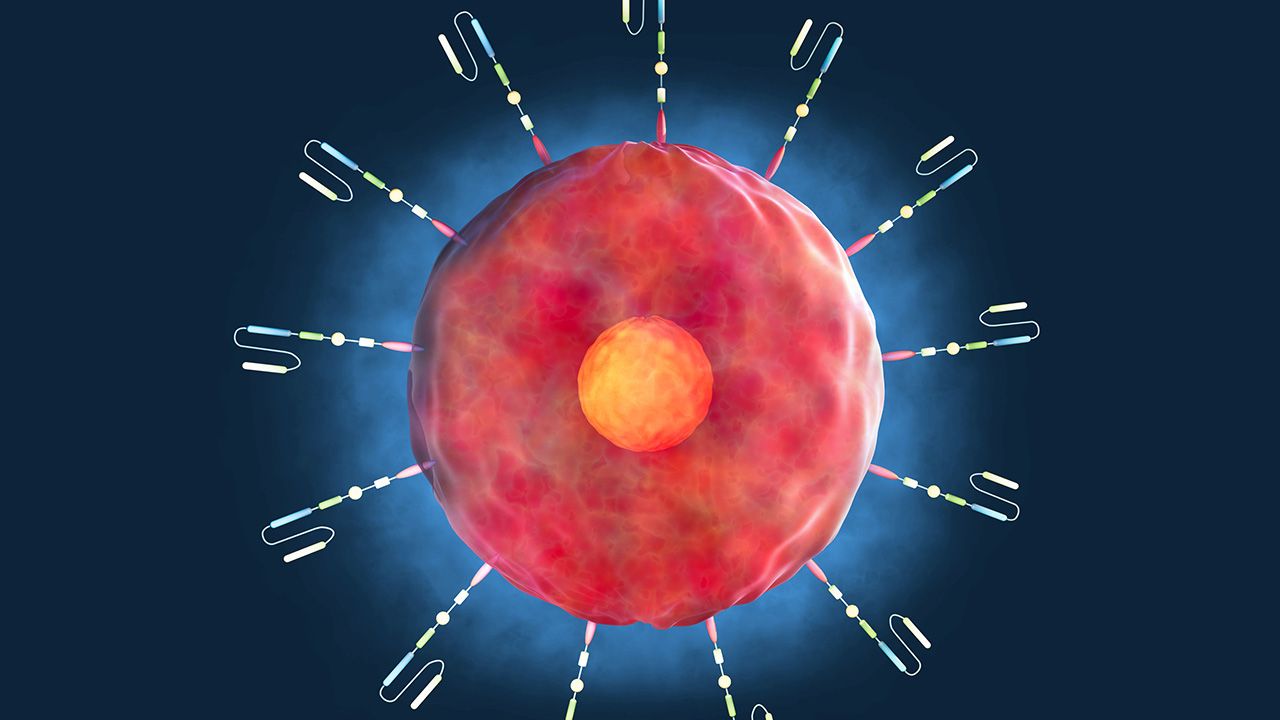
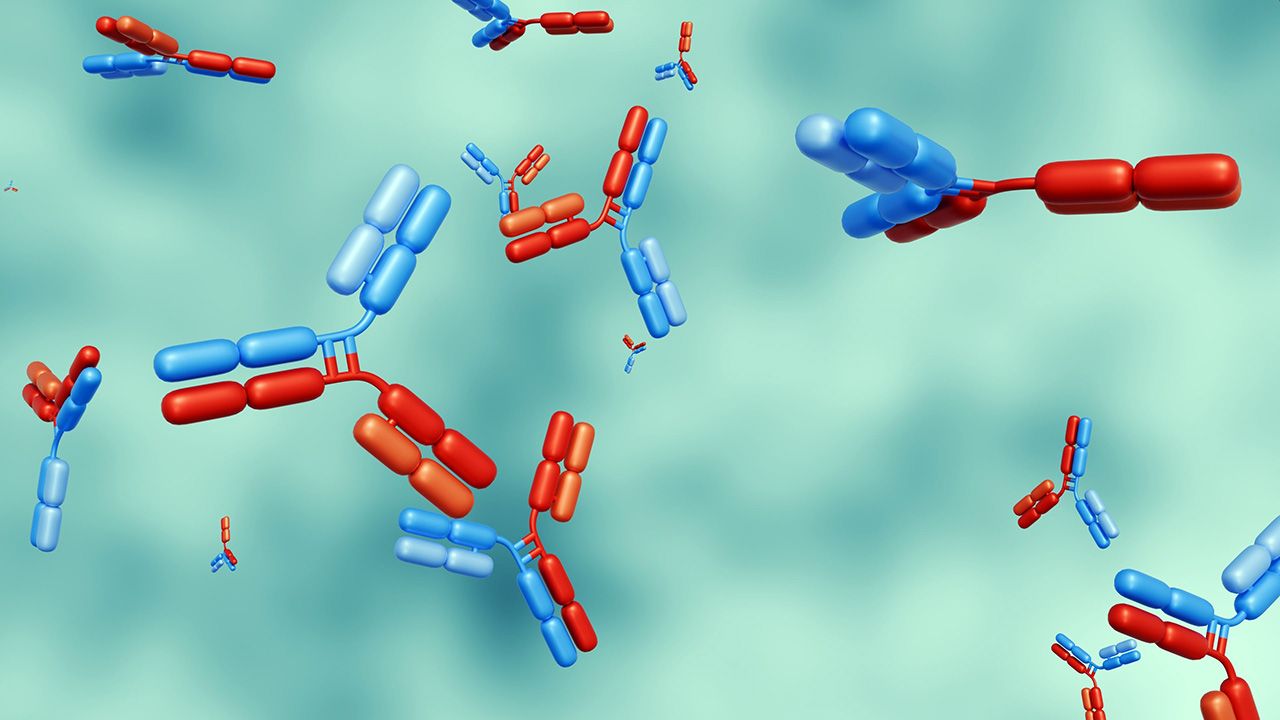



The launch of Excalipoint Therapeutics brings to the table multi-specific T-cell engager platforms that aim to overcome tumor microenvironment barriers and expand efficacy into solid tumors and immunology indications.
The launch of Excalipoint Therapeutics brings to the table multi-specific T-cell engager platforms that aim to overcome tumor microenvironment barriers and expand efficacy into solid tumors and immunology indications.

Under an exclusive license, the joint venture aims to advance HCW11-006 into Phase I for solid tumors, validating TRBC-derived immunotherapy in a global development strategy.

Such targeted private investments underscore the growing importance of early manufacturing scale-up in de-risking immunomodulatory biologics for neurodegenerative diseases.

The company’s major long-term capital commitment highlights how global drugmakers are anchoring future innovation, advanced modalities, and supply resilience within China’s life sciences ecosystem.
Cellares’ $257M Series D signals growing industry urgency to industrialize cell therapy manufacturing through automation and scalable production models.

The company composed a letter addressed to global governments to harness competitiveness and innovation to navigate the current global trade economy.

siRNA-based cell reprogramming shows potential to improve metabolic health with durable effects, signaling a notable development for future therapeutic strategies.
Samsung Life Science Fund’s investment in Phrontline Biopharma highlights growing industry momentum behind dual-payload ADCs.
AstraZeneca’s $2 billion investment in its Maryland facilities will expand domestic biologics and rare disease manufacturing and strengthen US drug supply chains.

Financing strategies for new modalities and AI will be central at PharmSci 360, shaping how advanced therapeutics move toward global patient access.

SK pharmteco expands US peptide production capacity, strengthening domestic API manufacturing and accelerating biopharma process development.
ARM Board Member Miguel Forte highlights CGT investment shifts, sector resilience, and alternative funding strategies during Meeting on the Mesa.

Integra has secured €10.7 million (US$12.6 million) in funding for its FiCAT gene writing platform to enhance precise DNA integration for CAR-T engineering and rare disease therapy development.
SynaptixBio CEO Dan Williams notes how rare-disease drug development is advancing on the back of FDA incentives, priority review vouchers, and a growing recognition of unmet needs.
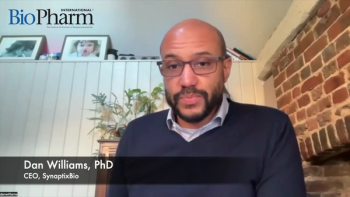
Dan Williams, PhD, SynaptixBio CEO, discusses how rare disease drug development leverages genetic targeting and drives innovation and investment in pharmaceutical technology and precision medicine.

Strand advances targeted mRNA therapies, with Phase I STX-001 solid tumor data presented at the 2025 ASCO Annual Meeting.
Avidicure is a new biotechnology company that has been launched on the back of a $50 million seed financing round for developing a new multifunctional antibody modality for treating cancer.

The investment will be done over five years and will include new, state-of-the-art R&D facilities as well as new or expanded manufacturing sites in multiple US states.
Having completed its €40 million (US$43 million) investment in Slovenia, Novartis has opened its first specialized viral vector production facility in Europe, following earlier significant investments in R&D that has driven the growth of Slovenia’s workforce.
The £10 million (US$13 million) investment is part of a larger £58 million (US$75 million) Series A financing round to be used for the development of Maxion Therapeutics’ preclinical lead program for treating inflammatory diseases.
With the investment, AstraZeneca will establish a second global strategic R&D center in Beijing as well as support major research and manufacturing agreements to further advance life sciences in the country.
Co-led by Andera Partners and Bpifrance, the Series B financing will go toward an ongoing Phase Ib/IIa clinical study for EG 427’s lead candidate and to advance the company’s genetic medicines platform.

The co-leaders of the financing were Novo Holdings and Bpifrance, with other investments from Invus, UI Investissement, Seroba Life Sciences, Fund+, Kurma Partners, Omnes Capital, and Turenne Capital.
The $94 million (€90 million) Series A funding will be used to support the development of the company’s pipeline of nCycles, oral macrocycle drugs that will be focused on validated biologic targets.
With the DKK 8.5 billion (US$1.2 billion) investment, Novo Nordisk will build a new modular and flexible production facility in Odense, Denmark, to produce multiple products for rare diseases.