




Early Phase Development
Latest News
Advertisement
Advertisement

Aviva Capital Partners and developer Socius are investing £1 billion in a 12-acre site to be located at the London Cancer Hub next to The Institute of Cancer Research, London and The Royal Marsden NHS Foundation Trust’s Sutton site.

CAR T-cell therapies, TILs, and other advanced therapies are pushing progress in the treatment of cancers.

Hurdles exist across all aspects and phases of drug development and manufacturing.
Vector Bioscience Cambridge is developing highly porous nanomaterials that can help reduce toxicities due to the small amount of vehicle material.

Treatment for cancer continues to drive immense innovation in the drug development pipeline, with advanced cell therapies, vaccines, and ADCs taking center stage.

BioPharm International® spoke with Sujay Jadhav, CEO of Verana Health about trends in real-world data and the impact these trends will continue to have on the pharmaceutical industry in 2025.
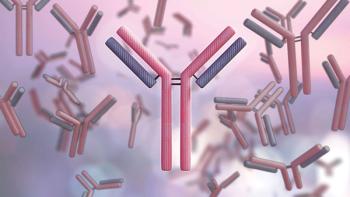
Platform processes and effective risk assessments help overcome time and cost challenges.

The authors have reviewed applications of novel technologies in the major stages of biosimilars development: process development, pharmacology, toxicology, and clinical trials, with an emphasis on recent regulatory requirements.

With the Proteologix acquisition, Johnson & Johnson gains two bispecific antibody early phase assets for immune-mediated diseases.
Broken String Biosciences and the Francis Crick Institute will collaborate on research into how genome stability impacts ALS.
Under a global license and collaboration agreement, AbbVie and OSE Immunotherapeutics will aim to develop OSE-230, a mAb for treating chronic inflammation.
With the formation of the new R&D unit, Regeneron will assume full development and commercialization rights to 2seventy bio’s preclinical- and clinical-stage cell therapy pipeline.
The company is currently developing EVX-101 as an adjunctive treatment for MDD due to patients experiencing an inadequate response to first-line antidepressants such as selective serotonin reuptake inhibitors (SSRIs) or serotonin-norepinephrine reuptake inhibitors SNRIs.

Stable producer cell lines show real promise despite continued development challenges.

Chime Biologics, Leads Biolabs, and BeiGene have formed a three-way collaboration to advance the development and global manufacturing of Leads Biolabs’ lead mAb candidate, LBL-007.
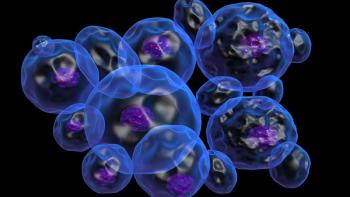
Despite many development challenges, stable producer cell lines show real promise.
Lives are saved when time from vein to vein decreases.
Key challenges posed to autologous and allogeneic treatments could be resolved by in-vivo CAR-T gene therapies.
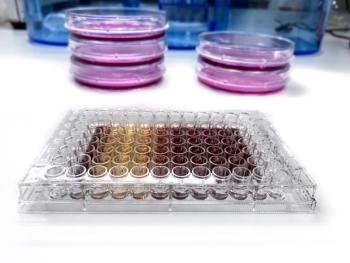
Decreasing vein to vein time saves lives.
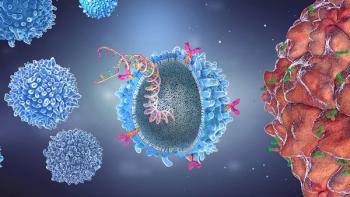
In vivo CAR-T gene therapies could overcome the challenges faced by autologous and allogeneic treatments.

An early drug candidate screening strategy should incorporate clear targets to lessen late-stage failure.

Preclinical testing is better able to evaluate complex drug candidates thanks to innovations in animal model approaches.
Precision BioSciences has released clinical trial data on CAR T therapy candidates PBCAR0191, PBCAR19B, and PBCAR269A.

To build trust and ensure a high-quality product, companies must be sure their contracts are firm and their lines of communication even firmer.
Advertisement
Advertisement
Trending on BioPharm International
1
Adalvo Acquires Enzene’s Romiplostim Biosimilar Program for ITP
2
Genmab’s Petosemtamab Plus Pembrolizumab Cuts Risk of Death by 50% in Phase 3 Head and Neck Cancer Trial
3
How Lipid-Based Softgels Protect Oral Peptides from Degradation
4
Immatics’ PRAME-Targeted TCR Bispecific IMA402 Shows 32% Response Rate in PRAME-High Tumors
5