

Part 1—Industry experts from MilliporeSigma, Lonza, Astrea Bioseparations, and Sartorius discuss key issues affecting the development of emerging biotherapies.
The agency found Lagevrio (molnupiravir) to be safe and effective at reducing the risk of death and hospitalization for those with mild to moderate COVID-19 infections.

Smaller biopharma companies must do due diligence with their CMC strategy for BLA filings.

Industry representatives sound off on FDA’s FARS report, released in January this year.
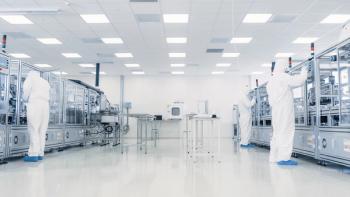
The industry considers applying automation and digitalization lessons learned during the COVID-19 pandemic to enhance workflows.
The European Commission has granted marketing authorization to Incyte and MorphoSys for Minjuvi (tafasitamab) in combination therapy with lenalidomide to treat relapsed or refractory DLBCL.

Scientific advances open the way to alternatives to animal testing and in-vivo assays.
Aadi Bioscience has closed its previously announced merger with Aerpio Pharmaceuticals and a concurrent $155-million PIPE investment.
NGM Biopharmaceuticals has disclosed a fourth antibody drug candidate, NGM831, for development into an oncology therapeutic.
Pfizer’s proposed $2.26-billion acquisition of Trillium Therapeutics will add next-generation hematology-targeted immuno-therapeutics to its oncology pipeline.
Merck KGaA has partnered with Telix Pharmaceuticals to conduct combination clinical studies for cancer therapy.
A research team at the Keck Graduate Institute will work to adapt its decade-long low-cost vaccine R&D for developing countries into a COVID-19 vaccine.
FDA has approved AstraZeneca’s Saphnelo, a type I interferon receptor antibody for treating systemic lupus erythematosus.
FDA has accepted Genetech’s BLA for faricimab, a bispecific antibody in development for treating wet age-related macular degeneration and diabetic macular edema.
The European Commission has entered into a supply agreement with GlaxoSmithKline and Vir Biotechnology for up to 220,000 doses of sotrovimab, an investigational mAb for treating COVID-19.
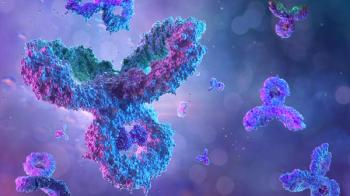
Growing demand for bispecific antibodies increases the need for automated and miniaturized high throughput screening capabilities.
Byondis and Glycotope have formed an agreement to discover and develop antibodies that target specific glyco-epitopes.
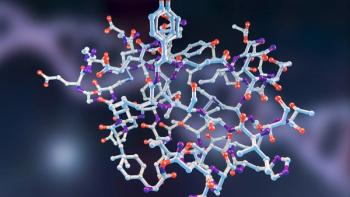
The ever-increasing complexity of biotherapeutic molecules presents unique analytical challenges for developers.

Developing analytical methods and bioassays is necessary from early on in the drug development life cycle.
GlaxoSmithKline and Alector have partnered to co-develop two mAbs for a range of neurodegenerative diseases, including Parkinson’s and Alzheimer’s disease.
Tezepelumab, being developed by AstraZeneca in collaboration with Amgen, reduced asthma exacerbations in Phase II and III clinical trials.
Selexis and KBI Biopharma will use integrated services to advance Immatics’ TCR bispecifics drug development program to the IND stage.
Corbus Pharmaceuticals has licensed two integrin-targeting mAbs, expanding its therapeutics pipeline into inflammatory, fibrotic, and metabolic diseases as well as cancer.
AbbVie has exercised its right to acquire TeneoOne, along with its lead immunotherapeutic asset for the potential treatment of multiple myeloma.
FDA has granted breakthrough therapy designation to donanemab, Eli Lilly and Co.’s investigational antibody treatment for Alzheimer’s disease.