


Biopharmaceutical Analysis
Latest News
Advertisement
Why Automation with the Correct Liquid Handler is Integral to Improved NGS Outcomes
NGS abbreviates drug discovery timelines.
Biologics Quality Control: The Growing Need for Accessible Proteomics
There is a great need for sensitive, precise, and easily accessible analytical detection techniques for protein sequencing.
Navigating Challenges in Cell Therapy Potency Assays
Developing cell-based potency assays for cell therapies requires meticulous coordination.

Latest Videos



Advertisement
More News

Sartorius Launches Rational-Design CHO Host Cell Line Delivering Up to Three-Fold Productivity Gains
A newly engineered CHO host from Sartorius, developed through proteomic profiling and targeted genome editing, demonstrates up to three-fold productivity increases and accelerated nine-week cell line development timelines, supporting more stable, high-titer biomanufacturing for biologics and biosimilars.

Under the collaboration, Merck and Mayo Clinic will integrate multimodal clinical and genomic datasets with AI models to enhance target biology insights and translational decision-making.
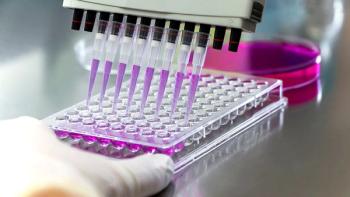
Spectral flow cytometry is democratizing high-parameter cell analysis, using modular instruments and AI to unlock deeper insights in cancer research.

Phase III data show that Gazyva/Gazyvaro (obinutuzumab) significantly improved complete remission rates at two years compared with tacrolimus in adults with primary membranous nephropathy, with additional benefits seen across key secondary endpoints and no new safety signals identified.
Webcasts
Webinar Date/Time: This event is now available on demand
Webcasts
Webinar Date/Time: Thu, Feb 26, 2026 4pm GMT / 5 pm CET / 8am PT
Webcasts
Webinar Date/Time: Thu, Feb 26, 2026 12:00 PM EST

Next-gen antibody R&D is shifting to multifunctional modalities driven by manufacturing scale and regulatory acceleration.

In a new team-up, MD Anderson and SOPHiA GENETICS will apply advanced analytics to cancer testing to improve complex data interpretation for clinical use.
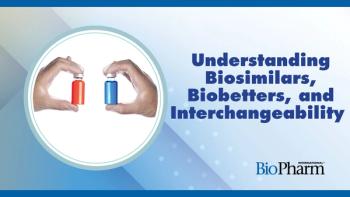
A look at interchangeable biosimilars gaining FDA approval, the growth in global partnerships, and the rising biologics patent cliff.

Advances in precision analytics have pushed the needle forward in characterizing and assessing the safety and quality of next-gen biologics.

FDA outlines reduced primate testing for monoclonal antibodies, signaling a shift toward modern evaluation tools that may influence drug development practices.

Microfluidic rapid-testing advances enhance real-time QC, strengthen compliance, and speed contamination detection across modern biomanufacturing.
Eric Hill, Chief Scientific Officer, BA Sciences, discusses the analytical challenges involved in conducting E&L testing for biologic drug products.
Reliable bioanalysis and regulatory-compliant study design enhance drug development, says Alturas’s Sara Underwood at AAPS PharmSci 360.
At AAPS PharmSci 360, Ely Porter, PhD, says automated platforms enhance drug production velocity and assay excellence.
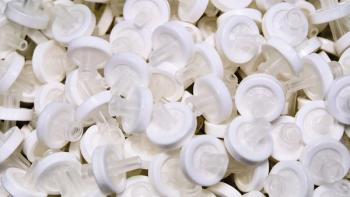
Performance advantages are driving adoption of membrane chromatography for advanced therapy purification.
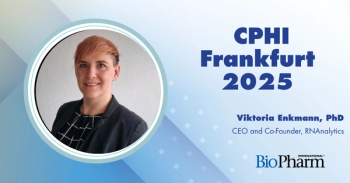
A wide-ranging discussion with RNAnalytics’ Viktoria Enkmann touched upon the technology and equipment necessary for modern nanoparticle analysis, as well as global concerns.
In the conclusion of a two-part conversation, Viktoria Enkmann of RNAnalytics says she had a hard time understanding the United States’ mRNA decision in August 2025.
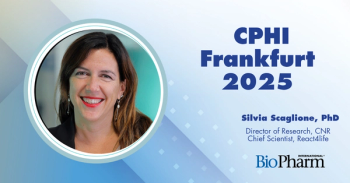
Silvia Scaglione of React4Life explores how organ-on-chip systems, AI, and multi-organ models are revolutionizing preclinical testing and advancing personalized therapeutics.
In the first of two parts, Viktoria Enkmann addresses problems with quality control for personalized medicines in the context of lipid nanoparticles and RNA therapeutics overall.
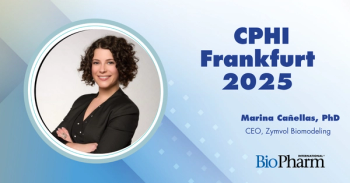
Enzyme engineering holds promise, but Marina Cañellas of Zymvol Biomodeling says the enzymes themselves need to be improved through increased discovery and investigation to be able to achieve a greater amount of chemical reactions.
Advertisement
Advertisement
Trending on BioPharm International
1
Biocon’s Pebrilzo Becomes First Breast Cancer Treatment Biosimilar Approved Under EMA’s Tailored Clinical Approach
2
SELLAS Cancer Vaccine Improves Overall Survival in Phase 3 AML Trial
3
AbbVie and DISCO Partner on AND-Gated Bispecifics Designed to Recognize Tumor-Selective Protein Pairs
4
The BioPharm Brief: A Matrix-Targeting ADC in Head and Neck Cancer, an RNAi Approval in Myasthenia Gravis, and AbbVie Bets on AND-Gated Bispecifics
5