





FDA’s new-indication approval for lisocabtagene maraleucel in marginal zone lymphoma boosts engineered T-cell treatment for relapsed lymphoma.
FDA’s new-indication approval for lisocabtagene maraleucel in marginal zone lymphoma boosts engineered T-cell treatment for relapsed lymphoma.

Under the expanded agreement, the companies are targeting amyloid removal strategies to address unmet needs in rare diseases.

siRNA-based cell reprogramming shows potential to improve metabolic health with durable effects, signaling a notable development for future therapeutic strategies.
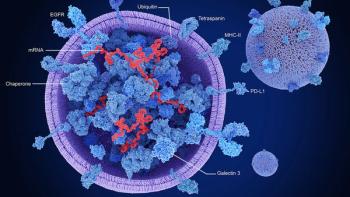
Engineered exosomes could reshape therapeutic development by redefining delivery, manufacturing models, and regulatory standards.

Flexible manufacturing processes and facilities support the pipeline of allogeneic cell therapies.

FDA outlines reduced primate testing for monoclonal antibodies, signaling a shift toward modern evaluation tools that may influence drug development practices.

The new collaboration will aim to streamline formulation-to-manufacturing workflows and de-risk development.
FDA’s internal findings raise new concerns over pediatric vaccine safety and signal potential regulatory shifts affecting future COVID-19 vaccine development.

How is the biopharma industry solving manufacturing and scale-up bottlenecks for cell and gene therapies? Read on to find out.

The discussion in this Drug Digest video focuses on optimizing biopharmaceutical manufacturing and supply chain efficiency through the mastering of AI capabilities, data integration, and critical validation challenges.

ADC oncology platforms, FDA CNPV rapid review, and significant investment into US biologics manufacturing capacity led this week’s news.

The transformative impact of complex biopharmaceuticals hinges on integrating advanced delivery systems, often accelerated by AI modeling, with robust manufacturing practices and regulatory alignment to ensure stability, safety, and effective patient access.

David Dodd, GeoVax Labs, opines on why vaccine platform diversity is critical in the United States.

Samsung Life Science Fund’s investment in Phrontline Biopharma highlights growing industry momentum behind dual-payload ADCs.

AstraZeneca’s $2 billion investment in its Maryland facilities will expand domestic biologics and rare disease manufacturing and strengthen US drug supply chains.

Five bio/pharma sector leaders dissect FDA’s CNPV pilot program.

Progress in vaccine development is closely tied to advancements in biopharmaceutical technologies, regulatory landscapes, and quality assurance methodologies.

News in the week shows biopharma development being redefined by programmable biology and accelerated FDA review, stressing quality compliance and market efficiency.

Regulators and manufacturers face new uncertainty as shifting CDC vaccine language raises concerns for evidence-based oversight and biopharma compliance.

Five leaders from across the bio/pharma sector explore the opportunities and challenges posed by FDA’s CNPV pilot program.

Microfluidic rapid-testing advances enhance real-time QC, strengthen compliance, and speed contamination detection across modern biomanufacturing.

Sapient said the workflow will allow for direct measurement of more than 10,000 protein groups in a single, 5-µm slide.

In this episode of the Ask the Expert video series, Susan J. Schniepp, Regulatory Compliance Associates (RCA), Siegfried Schmitt, Parexel, and Anita Michaels, RCA, explain how CDMOs can best handle regulatory inspections and client expectations.

RxCelerate and Constructive Bio will combine programmable biology with integrated discovery tools to speed engineered biologics for hard-to-treat diseases.

The CNPV demands parallel launch execution, requiring sponsors to pre-submit flawless CMC, align pricing with affordability goals, and use enhanced communication.

The new strategic collaboration seeks to develop up to four first-in-class myeloid cell engagers offering broad and safe treatment for blood and solid cancers.

Industry experts weigh in on the potential impacts of FDA’s CNPV pilot on safety trade-offs, resource strain, and unclear incentives for sponsors.

The EC approves the world's first liquid IV infliximab biosimilar, which cuts preparation time by 51% and offers up to €2.6 million (US$3.0 million) in potential annual savings.

Biogen reports CHMP support for an enhanced nusinersen regimen, signaling potential shifts in SMA treatment strategies and global regulatory decisions.

With artificial intelligence and digital technologies transforming the CDMO space, industry leaders at CPHI Frankfurt shared their successes and identified pitfalls.