
The growth of the biopharmaceuticals market is feeding back into economies and, in part, is driving the boom in life sciences and biotech ecosystems.
Feliza Mirasol is the science editor for BioPharm International.
The growth of the biopharmaceuticals market is feeding back into economies and, in part, is driving the boom in life sciences and biotech ecosystems.

An early drug candidate screening strategy should incorporate clear targets to lessen late-stage failure.

The projected growth in the biosimilars market will require increased bulk mAb manufacturing.

A predictive modeling approach can offer tighter process control, which can optimize bioreactor output.

Preclinical testing is better able to evaluate complex drug candidates thanks to innovations in animal model approaches.

The growth in demand of viral-vector-based gene therapies drives continuous efforts to improve viral vector manufacturing.

The recent approvals of bispecific antibodies have opened the gate for the further development of these complex molecules.

Industry adoption of plant-made biologics remains slow, but plant-based technology gains an advantage by mainstream exposure.
One can use modeling methods to generate data and shorten development timelines in preclinical studies.

Having a clear clinical strategy early on can shave time off overall development projects.
Advances in genomics tools can lead to quicker biotherapeutic development.
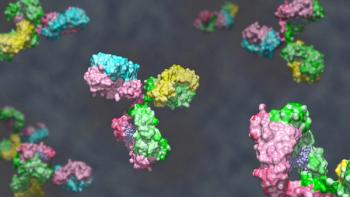
With recent approvals of bispecific antibodies, these complex molecules are fast moving out of the research box and into clinical pipelines.
Further development of nucleic acid-based therapeutics has been accelerated by the recent success of mRNA vaccines.

Complex hurdles complicate the development of emerging therapies.
Plant-based manufacturing technology gains mainstream edge in biopharmaceutical production.

Applying modeling methods in preclinical studies can be a powerful tool for generating data and shortening development timelines.

The recent success of mRNA vaccines has opened the door for further and future development of nucleic acid-based therapies.

The growing demand for antibody and other bio-therapeutics will require long-term scale-up solutions.
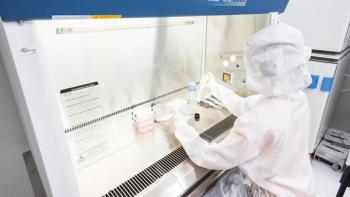
Testing cleanroom garments while in use and during daily cleanroom operations is vital for contamination control.
A rise in investments and funding into regenerative medicines projects has helped to advance a rich clinical pipeline.

The use of bioengineering offers practical tools for the evolution of host cells.
Capacity concerns and regulatory compliance considerations will drive the decision about outsourcing the manufacture of clinical trial materials.

A rich clinical pipeline of regenerative medicine product candidates bodes well for a robust future.

The growing use of automation and digitalization technologies push cell culture bioprocessing forward.
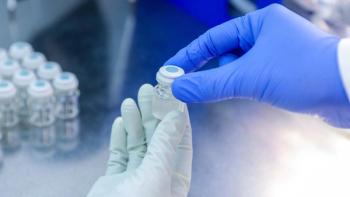
The need for sustainability and early considerations of a lyophilization strategy grow more pertinent on the back of growing biologics volume.
The urgency with which COVID-19 forced the biopharma industry to produce therapies has refocused the search for new tools to enable rapid therapeutic responses to a pandemic.
Upstream processing is better optimized with the help of automated workflows.
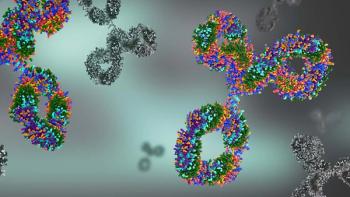
Enhancement of resin technology can improve the ability of chromatography to purify the growing landscape of increasingly complex biomolecules.

New and emerging biotherapeutic molecules drive the need for innovative solutions to meet cold-chain requirements.

Confounding signals pose challenges to analytical methods necessary for managing residual impurity removal in biotherapeutic manufacturing.