

Sandoz, a Novartis division, is expected to invest at least $400 million to build a new biologics manufacturing facility in Lendava, Slovenia, to support growing demand for biosimilars.
Feliza Mirasol is the science editor for BioPharm International.
Sandoz, a Novartis division, is expected to invest at least $400 million to build a new biologics manufacturing facility in Lendava, Slovenia, to support growing demand for biosimilars.

Under a technology licensing agreement with Bhami Research Laboratory, Catalent intends to develop formulations that will allow for the delivery of high-concentration biologics subcutaneously.
The collaboration between Genuv and Celltrion will utilize Genuv's proprietary mouse platform for antibody discovery.

A slew of late-stage clinical trials is expected to push new regenerative medicines onto the market in the next few years.

Improvement in viral vector yield has become integral to new cell and gene therapy product development.

Single-use systems hold key benefits for biomanufacturers, despite certain limitations.

Biologic drug development requires relevant bioassays to measure and help predict cellular response.
Deeper biological understanding and technology innovations have improved the fate of ADC development.

Learning from early market failures, the biopharma industry has worked to improve the fate of antibody drug conjugates.
Using a predictive modeling approach can help tighten up operator control over bioprocessing, which in turn can increase bioreactor output.

The industry revisits the pros and cons of microbial fermentation at scale for biotherapeutics.

A simplified downstream process can save time and costs but requires enabling technologies.

The growth of the biopharmaceuticals market is feeding back into economies and, in part, is driving the boom in life sciences and biotech ecosystems.

An early drug candidate screening strategy should incorporate clear targets to lessen late-stage failure.

The projected growth in the biosimilars market will require increased bulk mAb manufacturing.

A predictive modeling approach can offer tighter process control, which can optimize bioreactor output.

Preclinical testing is better able to evaluate complex drug candidates thanks to innovations in animal model approaches.

The growth in demand of viral-vector-based gene therapies drives continuous efforts to improve viral vector manufacturing.
The recent approvals of bispecific antibodies have opened the gate for the further development of these complex molecules.

Industry adoption of plant-made biologics remains slow, but plant-based technology gains an advantage by mainstream exposure.
One can use modeling methods to generate data and shorten development timelines in preclinical studies.

Having a clear clinical strategy early on can shave time off overall development projects.
Advances in genomics tools can lead to quicker biotherapeutic development.
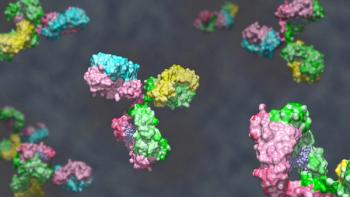
With recent approvals of bispecific antibodies, these complex molecules are fast moving out of the research box and into clinical pipelines.
Further development of nucleic acid-based therapeutics has been accelerated by the recent success of mRNA vaccines.

Complex hurdles complicate the development of emerging therapies.
Plant-based manufacturing technology gains mainstream edge in biopharmaceutical production.

Applying modeling methods in preclinical studies can be a powerful tool for generating data and shortening development timelines.

The recent success of mRNA vaccines has opened the door for further and future development of nucleic acid-based therapies.

The growing demand for antibody and other bio-therapeutics will require long-term scale-up solutions.