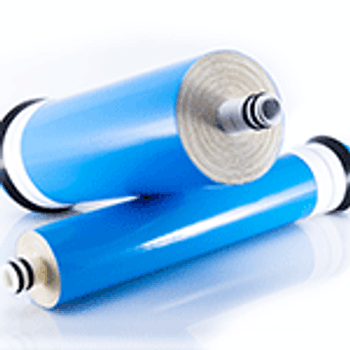
Downstream process equipment for mAbs manufacturing must be designed to fit technology developments in upstream processes.
Feliza Mirasol is the science editor for BioPharm International.
Downstream process equipment for mAbs manufacturing must be designed to fit technology developments in upstream processes.
As automation in biomanufacturing becomes more important, so does the need to integrate process data.
To ensure the sterility of parenteral biopharmaceutical products, it is necessary to employ certain tools, technologies, and standard operating procedures.

Automation in cell-line development and cell culture is leading to more consistent quality while improving efficiency, and, ultimately, speed to market.
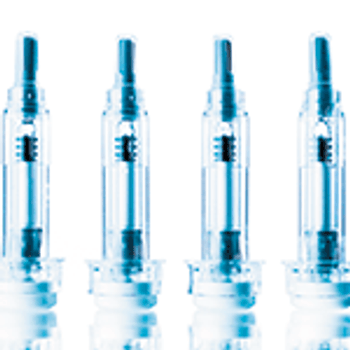
As biologic drugs grow increasingly complex, drug delivery mechanisms such as prefilled syringes are being adapted to meet the challenges.
This article will explore the requirements for media and supplements needed to maintain newer cell lines, such as those based on human cells and fungal cells.

Providing analytical data on the comparison between a biosimilar and the reference product is a primary consideration in the development of biosimilars.
The testing of raw materials is essential as raw material quality determines the outcome of biologic product quality.
The quality of the cell lines used to manufacture biopharmaceuticals are crucial for the production of high-quality, stable biopharmaceuticals.

Increasing demand for biologics is driving the need for innovation in bioprocessing.
Late-stage and commercial biomanufacturing pose a challenge to cell-culture processing.

Biosimilars and biobetters have their own unique manufacturing strategies and challenges.
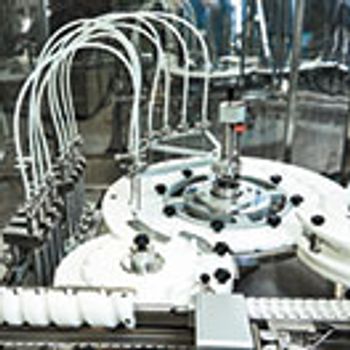
Single-use technologies have become increasingly prevalent in final fill/finish operations for biologics.
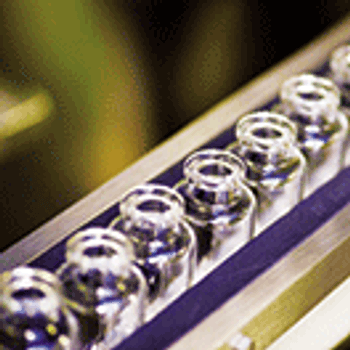
Aseptic fill/finish is crucial in biopharma manufacturing and is optimized through automated technology.
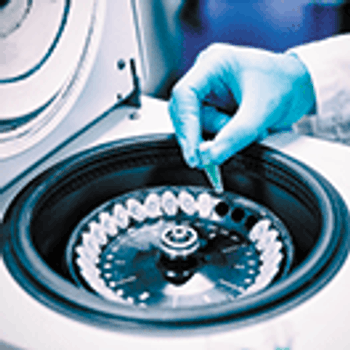
Higher cell titers and cell densities have posed a challenge to cell harvesting, a crucial step in biologics manufacturing.
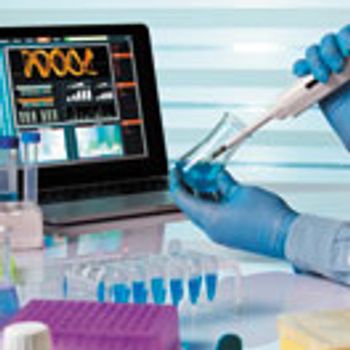
Successful outsourcing relationships for early phase analytics in drug development are driven by partnership.

Spectroscopic tools present an alternative method for reliable at-line process monitoring and control.

Biologic new molecular entities (NMEs) accounted for 26% of total NME approvals in 2017.
Single-use technologies are starting to gain ground as capacity needs change, but industrywide adoption remains low.
Conducting stability testing on APIs/finished drug product helps ensure shelf-life storage.
Recent investments show expansion activity in cell culture facilities.
A quality-by-design approach that implements PAT offers advantages in upstream cell-culture processing.
A roundtable Q&A with biopharma executives elucidates the challenges posed by single-use bioreactor bags in contributing to extractables and leachables in the biomanufacturing process.

The Biomanufacturing Technology Roadmap is accelerating innovative manufacturing strategies for biopharmaceuticals.

Small-molecule therapeutics can also benefit from the implementation of PAT in the manufacturing process.

The use of therapeutic vaccines presents a new way to manage diseases, such as cancer and sexually transmitted diseases.
Connectors are a critical element in the process optimization of single-use bioprocessing systems.
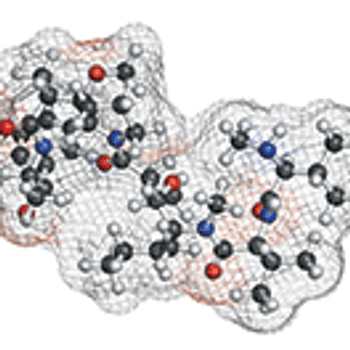
Despite the disappointing therapeutic performance of ADCs thus far, the pipeline still boasts promising prospects.
Process analytical testing for biopharmaceuticals requires enhanced methods due to complex bioprocesses.
The development of emerging therapies poses unique manufacturing and formulation challenges for drug developers as candidates like cell and gene therapies advance through the pipeline.