






This fast track designation signals growing regulatory momentum for trispecific antibodies as the myeloma field pushes beyond single-target immunotherapies.
This fast track designation signals growing regulatory momentum for trispecific antibodies as the myeloma field pushes beyond single-target immunotherapies.

The European Commission’s approval of GSK’s Arexvy for adults 18 years and older expands the respiratory syncytial virus vaccine market and signals broader adoption of adult immunization strategies.

EU regulators clear Otsuka’s antisense injectable to prevent hereditary angioedema attacks, reinforcing momentum for RNA-based rare disease medicines.

The approval of aflibercept for visual impairment from macular edema following retinal vein occlusion is based on clinical data that suggests higher-dose anti-VEGF therapy can preserve vision while extending dosing intervals.
A new FDA draft guidance signals broader acceptance of Bayesian methods, shaping clinical trial design, efficiency, and regulatory strategy in drug development.

EU approval of a prefilled Shingrix syringe streamlines vaccine delivery, while Phase III data position bepirovirsen as a potential functional cure for hepatitis B.

China’s authorization of GSK’s Nucala (mepolizumab) for treating COPD signals regulatory momentum for precision respiratory medicines in the country.

European regulators authorize AstraZeneca’s anifrolumab pen for lupus, reinforcing industry momentum toward self-injected biologics and decentralized immunology care.

FDA’s approval of the first Wiskott-Aldrich gene therapy signals a shift in manufacturing and regulatory standards for rare-disease CGTs.

FDA’s clearance of a chemically enhanced stem cell therapy for severe aplastic anemia drives forward cell therapy development and manufacturing innovation.
Priority review, RMAT, and breakthrough status were key regulatory actions intensely accelerating advanced next-gen therapy development in 2025.

FDA’s new-indication approval for lisocabtagene maraleucel in marginal zone lymphoma boosts engineered T-cell treatment for relapsed lymphoma.

Five leaders from across the bio/pharma sector explore the opportunities and challenges posed by FDA’s CNPV pilot program.

Industry experts weigh in on the potential impacts of FDA’s CNPV pilot on safety trade-offs, resource strain, and unclear incentives for sponsors.

The EC approves the world's first liquid IV infliximab biosimilar, which cuts preparation time by 51% and offers up to €2.6 million (US$3.0 million) in potential annual savings.

Biogen reports CHMP support for an enhanced nusinersen regimen, signaling potential shifts in SMA treatment strategies and global regulatory decisions.

The regulatory progress for AAVantgarde’s AAVB-039 underscores advances in dual-vector gene therapy, as well as scalable manufacturing and efficient rare-disease clinical development.

FDA’s fast track designation may speed VMX-C001’s application review, addressing urgent surgery needs in patients on Factor Xa anticoagulants.
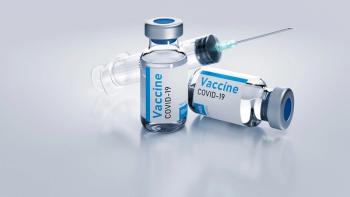
Moderna’s updated Spikevax and mNEXSPIKE COVID-19 vaccines target the LP.8.1 variant of SARS-CoV-2 for high-risk groups and older adults.
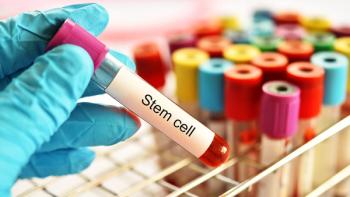
EC clears ExCellThera’s Zemcelpro, a cord blood–based stem cell therapy that offers transplant access to blood cancer patients lacking suitable donors.

Ifinatamab deruxtecan shows promising trial results targeting B7-H3 in small cell lung cancer, offering a potential new option after chemotherapy failure.

Bristol Myers Squibb and SystImmune’s iza-bren shows promising efficacy and safety in EGFR-mutant NSCLC after TKI and chemotherapy, backed by data from global and China-based trials.

The additional approval expands the label for Avtozma (tocilizumab-anoh) to now include the treatment of cytokine release syndrome, which aligns the therapy with all indications for which Actemra is approved in the US.
Bristol Myers Squibb is seeking approval of Breyanzi (lisocabtagene maraleucel) to treat relapsed or refractory marginal zone lymphoma, making this the fifth cancer type for which the cell therapy would be approved.
The agency has extended the review period for GSK’s biologics license application for belantamab mafodotin-blmf for the treatment of relapsed/refractory multiple myeloma.