
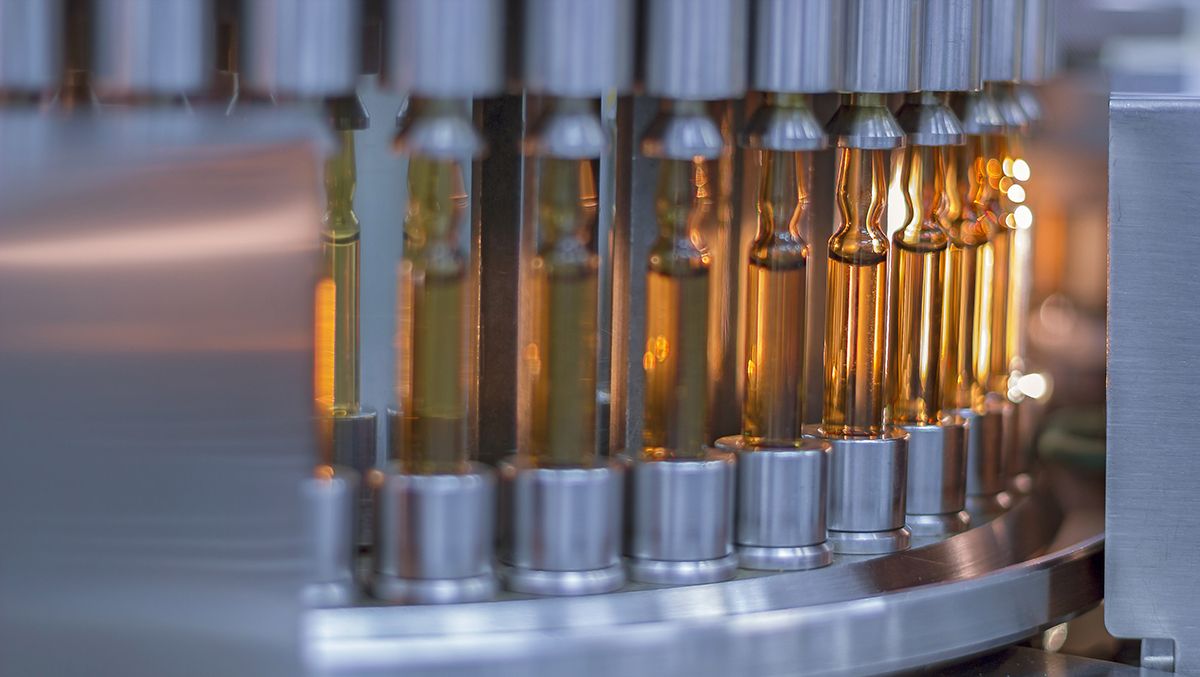

The new facility in Grand Rapids, MI, is part of the CDMO’s aggressive expansion plan.
The new facility in Grand Rapids, MI, is part of the CDMO’s aggressive expansion plan.
Manufacturers and the US government are investing heavily in traditional and non-traditional forms and materials to ensure supplies of containers and delivery devices for COVID-19 treatments and vaccines.
The facility will produce parenteral products and delivery devices and is set to create 460 new jobs.
As biologic drugs grow increasingly complex, drug delivery mechanisms such as prefilled syringes are being adapted to meet the challenges.
Biosimilars and biobetters have their own unique manufacturing strategies and challenges.
Sensors and devices being developed by nGageIT Digital Health Solutions can track patient use of oral solid-dosage or injectable drugs.
Conducting stability testing on APIs/finished drug product helps ensure shelf-life storage.
ADC Bio experts warn of impending problems in the ADC pipeline with millions wasted in development costs.
The company has officially opened a local brand office in South Korean to support its existing business in the region.
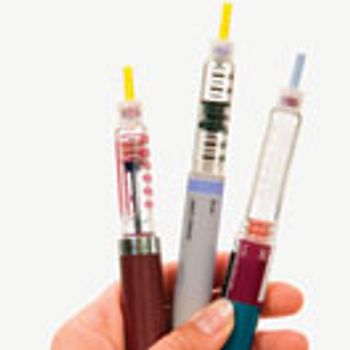
Siliconization is a key process step in the manufacturing of prefilled syringe systems.
The $72-million investment, part of a larger $850-million investment into its US operations, will allow the drugmaker to replace an outdated insulin vial-filling line and to upgrade technology at its Indianapolis manufacturing plant.
There is a lot of interest in delivering biologics via non-invasive routes in attempt to improve patient compliance and convenience.
Nemera is now authorized to handle, assemble, sterilize, and store pharmaceutical drugs and medicinal products for autoinjector combination products at its facility in Neuenburg, Germany.

This review examines how microfluidics has been used in the formulation, preclinical, and clinical development of gene-delivery nanoparticles.
Genentech gets priority review for its application seeking a new indication for its anti-cancer drug, Gazyva (obinutuzumab), in treating follicular lymphoma.
The US Patent and Trademark Office issued three new patents that extend protection for Alexion’s rare-disease drug, Soliris, for an additional 10 years.
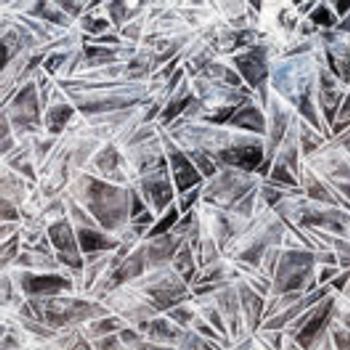
This report describes the first known attempt at quantifying the success of such processes in inducing nucleation on a 56–m2 freeze dryer operating at a load of 195,960 vials.
Avecia is adding drug substance capacity at its Milford, MA manufacturing site.
Interactions between biologic drug products and the components of prefilled syringes can cause protein aggregation, but there are alternative materials that can help mitigate this problem.
Prefilled syringes for commercial supply of the etanercept biosimilar will be produced at Catalent’s Brussels facility in Belgium.
The wearable devices for the delivery of biologic products are now being manufactured and will be tested in clinical trials in the near future, according to the company.
MilliporeSigma expands its Carlsbad, California-based GMP capacity for viral and gene-therapy products by nearly 90%.

The FlexPro 50, from Groninger, is a modular filling and closing system designed to process vials, cartridges, and syringes, as well as vials in bulk and trays.
Selecting a delivery method early on may be beneficial.
The researchers examine the top 20 cancer drugs dosed by body size in the US, and estimate that drug companies will earn $1.8 billion in 2016 in revenue from leftover cancer drugs.