



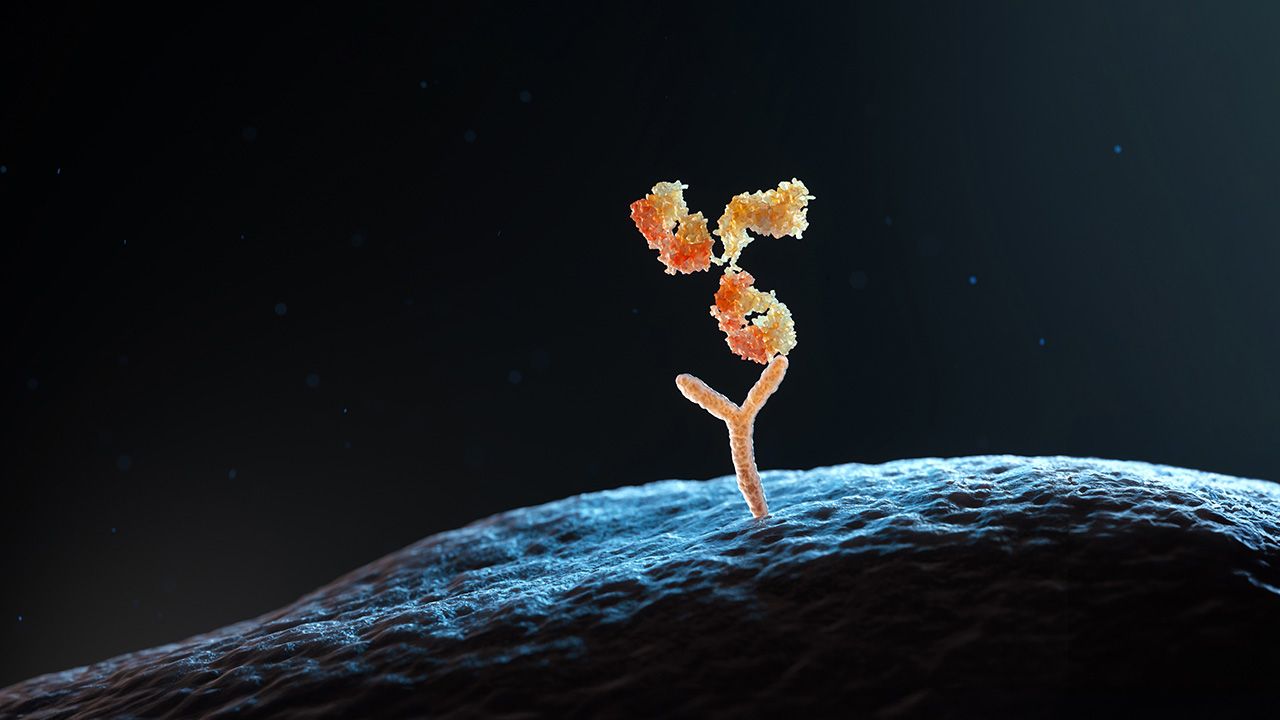

Nona Biosciences and Boostimmune will collaborate to develop ADCs against novel targets using Nona’s proprietary platform technology.
Nona Biosciences and Boostimmune will collaborate to develop ADCs against novel targets using Nona’s proprietary platform technology.

Under the new partnership, Samsung Biologics will develop and manufacture an antibody for a LegoChem Biosciences ADC candidate.

In the ATMP space, CGTs are hitting their stride with unprecedented approvals in the past year alone.

The milestone approval of a gene-edited therapeutic paves the way for gene-editing technologies.

The final guidance provides specific recommendations for CMC, pharmacology, toxicology, and clinical study design for CAR-T cell products.

Through the acquisition of Harpoon Therapeutics, Merck will gain an investigational delta-like ligand 3-targeting T-cell engager under development for cancer treatment.
In a deal worth up to $1.4 billion, GSK aims to acquire Aiolos Bio and gain an expanded pipeline of biologic-based respiratory therapeutic candidates.
MediWound has been granted an additional $6.7 million by the DoD to advance NexoBrid as a non-surgical field care solution for the US military.

Under the collaboration, Boehringer Ingelheim and Ribo will develop RNA-based therapeutics to treat NASH/MASH.
AstraZeneca’s acquisition of Gracell includes a clinical-stage autologous cell therapy targeting hematologic malignancies and autoimmune diseases and a proprietary manufacturing platform.

The success of mRNA-based vaccines paves the way for mRNA in oncology and beyond.
Bristol Myers Squibb and SystImmune plan to co-develop and co-commercialize lead ADC candidate for cancer treatment in US.
Exagamglogene autotemcel seen as synechdoche.
Under this multi-year collaboration, Genentech and NVIDIA will use AI to optimize and accelerate each company’s platforms to discover and develop innovative therapeutics.
In part two of an interview with Thomas Langenickel, MD, chief medical officer at Ethris, Langenickel highlights the challenges in developing mRNA therapeutics for pulmonary diseases.
Andy Geall, co-founder and chief development officer at Replicate Bioscience continues the discussion on the development history of mRNA therapeutics.
Novartis and Legend Biotech seek to advance certain CAR-T cell therapy candidates targeting Delta-like ligand protein 3.
A discussion with Thomas Langenickel, MD, chief medical officer at Ethris, shines a light on how advances made with mRNA technology are also advancing the industry’s ability to focus on treatment of rare diseases, such as rare lung diseases.
Matthew Lauber, senior director—Cell and Gene Therapy, Consumables & Lab Automation, at Waters Corporation highlights how current technologies are enabling oligonucleotide development.
Matthew Lauber, senior director—Cell and Gene Therapy, Consumables & Lab Automation, at Waters Corporation, considers that status of oligonucleotides on the market.

Innovative strategies and good partnerships are means by which developers can overcome the unique challenges in biologics formulation.
Matthew Lauber, senior director—Cell and Gene Therapy, Consumables & Lab Automation, at Waters Corporation discusses the analytical and downstream purification challenges of oligonucleotides.
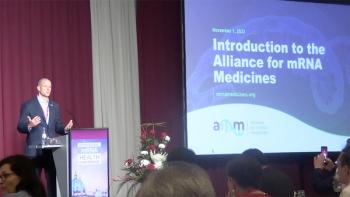
The Alliance for mRNA Medicines (AMM) was officially launched at the 11th International mRNA Health Conference in Berlin, Germany.
Spark Therapeutics and SpliceBio have formed a collaboration to develop a gene therapy that can treat an inherited retinal disease.
The California Institute for Regenerative Medicine has partnered with Forge Biologics, which will manufacture AAVs to help accelerate gene therapy programs in California.