





In a new collaboration, Tempus and Daiichi Sankyo will apply AI-driven biomarker discovery to improve ADC patient selection with the aim of advancing precision strategies in competitive oncology pipelines.
In a new collaboration, Tempus and Daiichi Sankyo will apply AI-driven biomarker discovery to improve ADC patient selection with the aim of advancing precision strategies in competitive oncology pipelines.
Novo Nordisk and TUL report phase 2 data showing UBT251 delivers strong glycemic and weight reductions, making it a strong contender in the GLP-1 arena.
GSK’s B7-H3-targeted ADC has shown durable responses in SCLC, supporting regulatory momentum and advancing targeted approaches for high-unmet-need lung cancers.

With the license, Sanofi gains Kali Therapeutics’ tri-specific T-cell engager pipeline candidate, KT501, which targets B cell-mediated autoimmune diseases.

The hub will integrate the company’s manufacturing and R&D in China to streamline CAR-T development while addressing scalability and accelerating regional access to advanced therapies.

With Sanofi as one of its backers, Earendil Labs is set to advance its AI-native biologics platform to scale antibody discovery, accelerate IND filings, and expand partnerships in autoimmune and oncology research.

Phase III data show retatrutide reduces HbA1c and body weight, supporting triple-agonist strategies for metabolic disease treatment.
The launch of Excalipoint Therapeutics brings to the table multi-specific T-cell engager platforms that aim to overcome tumor microenvironment barriers and expand efficacy into solid tumors and immunology indications.
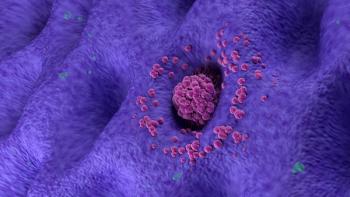
Data from a Phase III trial showed durable survival benefit with PD-L1 blockade plus chemotherapy, reinforcing the use of immunotherapy in curative-intent GI cancer settings.

The current Middle East conflict is disrupting Gulf air and sea hubs, forcing bio/pharma firms to reroute cold-chain drug shipments and raising risks of oncology medicine shortages.

Regulatory acceptance of tildrakizumab's sBLA signals a potential expansion of IL-23 inhibition into joint disease, an area in which treatment gaps persist for a substantial share of psoriatic disease patients.
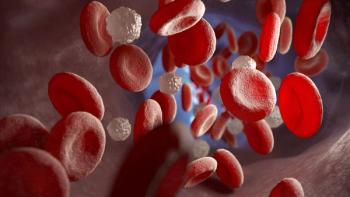
The companies’ new immunology-driven mAb, which targets an immune-evasion pathway in myeloproliferative neoplasms, is advancing toward first-in-human trials.
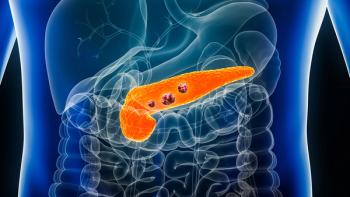
The company is targeting the $3 billion pancreatic cancer market with its lead proenzyme therapy candidate, PRP, which is supported by strong preclinical tumor inhibition data and for which a PK assay will be developed and validated.

Results from a head-to-head study highlight cytokine-targeting differences between UCB’s bimekizumab and risankizumab, strengthening evidence for dual IL-17 blockade in psoriatic arthritis therapy
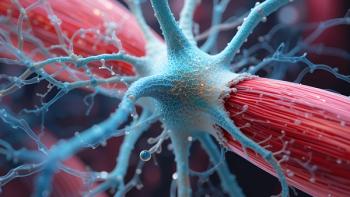
The new clinical data show biomarker reductions and new motor milestones with salanersen, which supports once-yearly antisense therapy development in spinal muscular atrophy.

Data from the MajesTEC-9 Phase III trial shows teclistamab as monotherapy improves survival, indicating a shift in multiple myeloma treatment.

The launch of a new mRNA biotech spinout signals a structural shift in how next-generation RNA therapeutics are developed and commercialized.
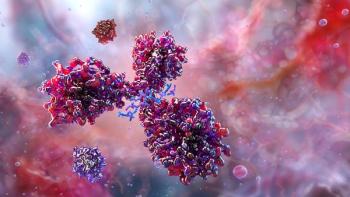
In a Phase II trial, Pfizer’s tilrekimig demonstrated well-tolerated, dose-dependent improvements in chronic Th2 inflammation, supporting further clinical development in atopic dermatitis.
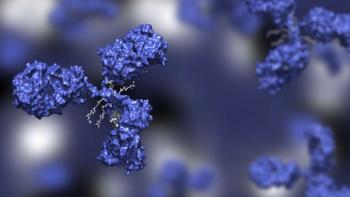
Phase III trial results show that trastuzumab deruxtecan reduced invasive recurrence or death 53% in patients with residual HER2-positive disease after neoadjuvant therapy.

China’s approval of Sciwind’s ecnoglutide for weight management, alongside the company’s Pfizer commercialization deal, intensifies competition in the global GLP-1 market.
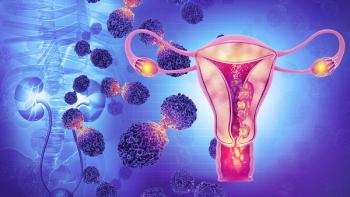
Updated analysis from the COMPASSION-03 Phase II trial links response depth to survival, which supports PD-1/CTLA-4 bispecific checkpoint strategies in heavily pretreated cervical cancer.

Under the partnership, INOVIO and Akeso will evaluate DNA-encoded tumor antigen priming plus PD-1/CTLA-4 bispecific blockade in an adaptive Phase II trial for glioblastoma.

Data from Novo Nordisk’s UBT251 Phase II trial support triple-receptor metabolic modulation as a strategy to enhance weight-loss efficacy beyond single-pathway incretin therapies.

CGT Catapult’s newly formed advisory board aims to address manufacturing, data, and regulatory constraints influencing scalable development and clinical deployment of ATMPs.

Trust-based CDMO partnerships are becoming essential to accelerate injectable drug development, manage risk, and ensure resilient biopharma supply.