






AskBio has dosed the first participant in a Phase 1/2 clinical trial evaluating AB-1009, an investigational AAV-based gene therapy for late-onset Pompe disease.
AskBio has dosed the first participant in a Phase 1/2 clinical trial evaluating AB-1009, an investigational AAV-based gene therapy for late-onset Pompe disease.
Servier received FDA Breakthrough Therapy designation for emiltatug ledadotin, a B7-H4-targeting antibody-drug conjugate being developed for patients with advanced adenoid cystic carcinoma.

The approval of zenocutuzumab-zbco for NRG1 fusion-positive cholangiocarcinoma expands precision oncology options for patients with rare molecularly defined cancers.
Zai Lab received FDA Fast Track designation for zocilurtatug pelitecan, a DLL3-targeting antibody-drug conjugate, advancing development of a potential new treatment option for extrapulmonary neuroendocrine carcinomas.

argenx secured expanded FDA approval for efgartigimod alfa-fcab and efgartigimod alfa and hyaluronidase-qvfc broadening access to all adult patients with generalized myasthenia gravis regardless of antibody status.

Harbour BioMed has received FDA IND clearance to begin a Phase I trial of its B7H4xCD3 bispecific antibody HBM7004 for advanced solid tumors, advancing its pipeline of T cell–engaging cancer immunotherapies.

Johnson & Johnson reported Phase 2b results for its investigational dual-pathway co-antibody JNJ-4804, showing improved clinical remission and endoscopic outcomes in patients with refractory inflammatory bowel disease.

FDA’s extended review of a subcutaneous formulation of lecanemab highlights ongoing regulatory evaluation of alternative anti-amyloid delivery approaches for early Alzheimer’s disease.

Merck scientists have published a new large-scale biocatalytic manufacturing approach for enlicitide decanoate, an investigational oral PCSK9 inhibitor, potentially advancing scalable production of macrocyclic peptide therapeutics for cardiovascular disease.
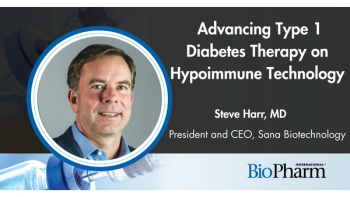
Hypoimmune cell engineering may enable scalable type 1 diabetes therapies without immunosuppression, advancing regenerative medicine approaches, according to Dr. Steve Harr, president and CEO of Sana Biotechnology.
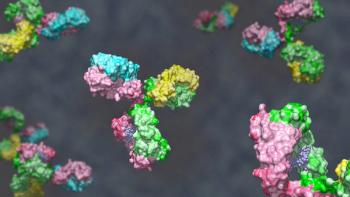
Aptevo Therapeutics reported updated Phase 1b data from its RAINIER AML study showing high remission and clinical benefit rates for mipletamig in combination with venetoclax and azacitidine in frontline acute myeloid leukemia patients.

Entrada Therapeutics reported positive topline Phase 1/2 data for ENTR-601-44 in Duchenne muscular dystrophy, showing favorable safety, increased dystrophin production, and statistically significant functional improvement in treated patients.

Kanvas Biosciences and LTZ Therapeutics raised a combined $86 million to advance novel cancer immunotherapy platforms targeting the microbiome and innate immune system, respectively.

GSK’s licensing agreement for SiranBio’s ALK7-targeting siRNA candidate expands development efforts aimed at reducing cardiometabolic risk in chronic inflammatory diseases.

Amgen and Eli Lilly and Company are expanding U.S. pharmaceutical manufacturing with multibillion-dollar investments aimed at strengthening domestic supply chains and supporting advanced therapies. The moves reflect a broader industry shift toward biologics scale-up, genetic medicine capabilities, and more resilient production infrastructure.
LTZ Therapeutics’ $38 million financing supports phase 1 development of myeloid engager therapies targeting oncology and autoimmune diseases.

Madrigal licensed Arrowhead's ARO-PNPLA3 to target PNPLA3 I148M-associated metabolic dysfunction–associated steatohepatitis, expanding options beyond approved resmetirom.

New long-term data reported by Eli Lilly and Company show Omvoh achieved sustained disease clearance through four years in ulcerative colitis, highlighting the potential durability of interleukin-23–targeted therapies.

Data from a phase 3 study show statistically significant improvements in proptosis and diplopia, along with favorable tolerability, which support regulatory advancement of elegrobart, a subcutaneous IGF-1R–targeting therapy for chronic autoimmune disease.

Phase 3 FUZION data showed guselkumab improved fistula remission vs placebo in adults with perianal fistulizing Crohn disease.

The FDA has approved vepdegestrant, the first PROteolysis TArgeting Chimera protein degrader therapy, for estrogen receptor gene-mutated ER+/HER2- advanced breast cancer, offering a new option for patients with endocrine-resistant disease.

UCB’s planned $2.2 billion acquisition of Candid Therapeutics strengthens its immunology pipeline with bispecific T-cell engagers, led by cizutamig, a BCMA/CD3-targeting antibody in early-stage trials for autoimmune diseases.
According to phase 2/3 trial data, Takeda’s TAK-881 demonstrates reduced infusion volume and shorter administration time while maintaining protective IgG levels in primary immunodeficiency patients.
Restore Vision Inc. reported interim Phase 1/2 data showing early vision improvements in patients with advanced retinitis pigmentosa treated with its optogenetic gene therapy RV-001.

MRM Health’s MH002 gains FDA fast track, advancing microbiome-based therapy targeting immune modulation in ulcerative colitis patients.