





Best practices a pharmaceutical company can follow to execute their strategy sucessfully.

Best practices a pharmaceutical company can follow to execute their strategy sucessfully.

The bioinformatics industry is currently one of the fastest growing fields in India's biotechnology sector. Indian IT companies have several advantages in the bioinformation field and can continue to grow their opportunities worldwide.
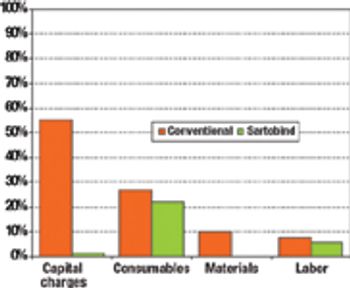
The current focus on cost-of-goods (COGS) models is underplaying the benefits of disposables technology in biopharmaceutical manufacturing. The best method for accounting for the benefits of reduced and delayed capital expenditures is through the use of NPV analysis.

It is important to understand critical aspects of the CMO's capabilities. Only by auditing certain key areas can the sponsor be assured of the quality of the materials produced.

The comparative research approach may be preferable to price controls in the guise of government negotiations for the Medicare drug benefit, coverage denials, and limits on access to new technologies.
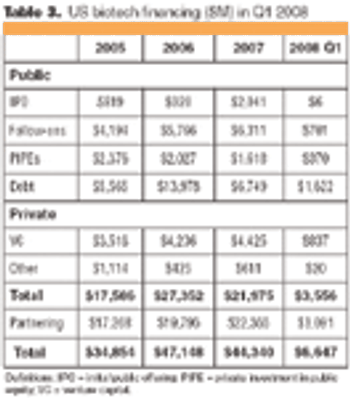
Following the market crisis of the first quarter of 2008, biotech IPOs and financing are down, but partnering continues, and mergers and acquisitions (M&As) remain hot.
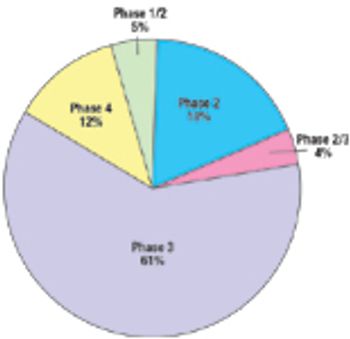
Most local and global clinical research organizations (CROs) consider an operational presence in India as key to their overall business plans. India is clearly on course to become the next hub for clinical trials.
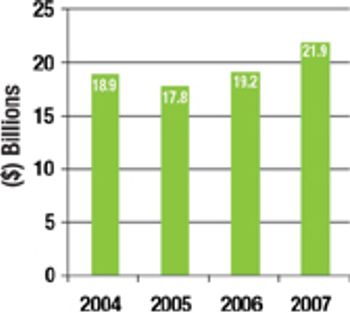
The current overcapacity situation in the bio/pharmaceutical industry is a reminder that CMOs need to come up with business models and value propositions that are based on more than just selling capacity.

Recent problems with food and pharmaceutical ingredients sourced from China highlight a major disadvantage of our complex international supply chains for food and drug ingredients. A global supply chain offers more opportunities for accidental contamination as well as intentional adulteration and counterfeiting. Sticking to minimal requirements may not be enough.
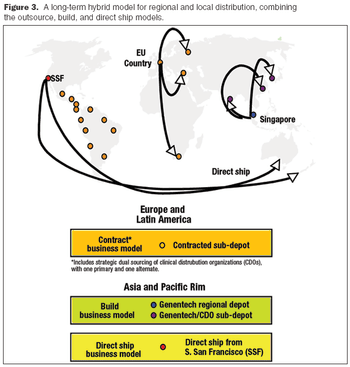
A decision-criteria matrix and cost models helped pinpoint the best distribution approach for the short- and long-term.
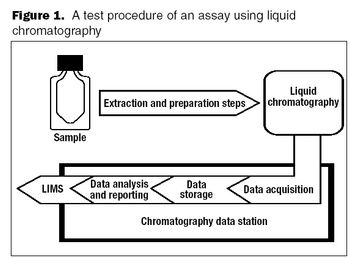
The outsourced service provider should be considered an extension of your own laboratory.

After a strategic evaluation of what activities to outsource, sponsor companies should follow key guidelines for selecting and auditing a provider and preparing quality agreements.
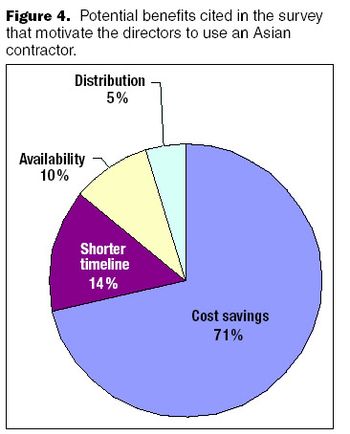
When a biopharmaceutical company pursues an outsourcing strategy, the choice of a contractor is a critical and strategic decision.

The book is a useful, comprehensive, and truly an excellent reference source of biopharmaceutical information.
There are several steps that you can take to ensure that you get the greatest benefit from consultants.
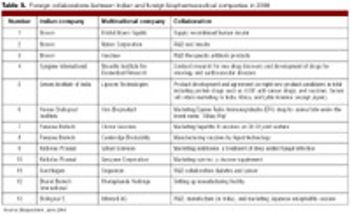
The new patent regime is challenging the Indian biopharm industry to transition from generics to novel products.

Engaging executive leadership in the quality process is the key to compliance success.

As more biotechs turn to convertible note financing instead of traditional venture capital, they need to be aware of investors' demands.

Did the 2005 Patents Act engender a Western intellectual property rights culture in the country?

The heparin safety crisis puts a spotlight on manufacturing processes and regulatory oversight.

Now is a good time for companies to know their suppliers well.

The supply base for preclinical and clinical development services continues to expand in China.
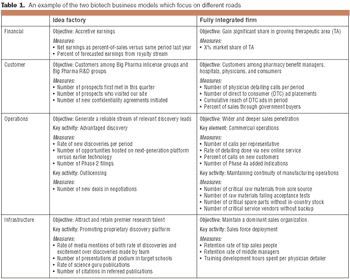
Two business models that companies can follow to map their strategy from concept to implementation.

India is restructuring its regulation of biopharmaceuticals to help the country's industry compete internationally.
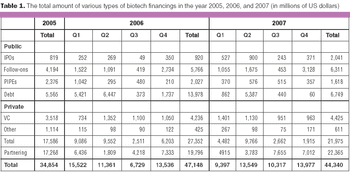
Despite the rising fears about a slowing economy, the biotech industry will continue to maintain its momentum this year.