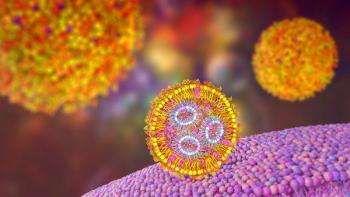
Verismo will pair Stanford's PACK-IT lentiviral technology with its KIR-CAR platform to pursue off-the-shelf, in vivo CAR T therapies for cancer.
Novartis has entered into a global collaboration with the University of Pennsylvania in the US to research, develop and commercialise targeted cancer therapies.
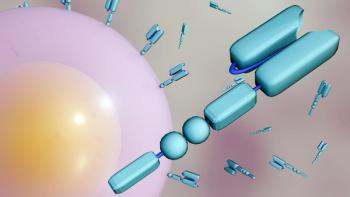
Novartis has entered into a global collaboration with the University of Pennsylvania in the US to research, develop and commercialize targeted cancer therapies. In particular, the two parties will focus on targeted chimeric antigen receptor (CAR) immunotherapies.
As part of the agreement, Novartis will acquire exclusive rights to the university’s investigational CAR therapy, which targets a protein associated with several B-cell malignancies, including chronic lymphocytic leukemia, B-cell acute lymphocytic leukemia and diffuse large B-cell lymphoma. The therapy is currently being studied in a clinical trial. Novartis will also gain an exclusive worldwide license for any other CARs developed through the collaboration.
As part of the collaboration, Novartis and the university intend to jointly establish a new R&D facility, which will be located on the university’s Penn campus, called the Center for Advanced Cellular Therapies. A specific focus of the center will be to develop and manufacture adoptive T-cell immunotherapies.
In addition, as part of the agreement, Novartis will provide an up-front payment, research funding, funding for the establishment of the R&D center and milestone payments for the achievement of certain milestones.
Mark Fishman, president of the Novartis Institutes for BioMedical Research, said in a