

BIIE's near-term priority is establishing active partnerships in the global south and low- and middle-income countries. The institute aims to work with regional partners to identify clinical priorities and address problems upstream in the development process, accounting for each region's regulatory and infrastructure conditions.
News|Videos|September 23, 2026
How BIIE's Technology Stack Integrates Immune Engineering Disciplines
Author(s)Feliza Mirasol, Stephen Wilson
BIIE CEO Dr Stephen Wilson outlines rapid growth plans and a multidisciplinary technology stack targeting global clinical translation.
Advertisement
Dr Wilson explains how BIIE, backed by an
How does BIIE combine multiple technologies into a single immune engineering platform?
Dr Wilson says that BIIE's near-term priority is establishing
Wilson illustrates BIIE's technology integration model using 3 faculty examples: a lab using clustered regularly interspaced short palindromic repeats and
"If you were to put together a toolkit of the pieces you would need to really innovate upstream in immune engineering...that's the kind of technology stack that we have," Wilson says.
Explore more in
About the speaker
Stephen Wilson, PhD, CEO, Botnar Institute of Immune Engineering
Dr Wilson leads the Botnar Institute of Immune Engineering’s mission to advance global child and adolescent health through breakthrough immune engineering research. The institute brings together expertise across immunology, bioengineering, computational biology and artificial intelligence, with a strong focus on translating scientific discovery into real-world solutions. Its research is designed from the outset with the needs of underserved populations in mind, particularly in low- and middle-income countries. An immunologist and biotechnology executive with more than 30 years of experience, Dr Wilson previously served as executive vice president and chief operating officer of the La Jolla Institute for Immunology. Based in Basel, Switzerland, he is helping establish BIIE as a key part of the Basel Area Life Sciences Supercluster, one of the world’s leading hubs for biomedical innovation and research.
Advertisement
Related to this article
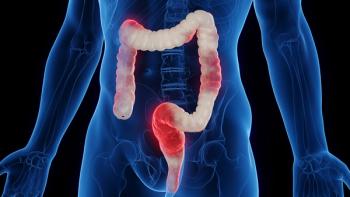
Odyssey's 146-patient phase 2a trial will pair OD-001 with vedolizumab, targeting both innate and adaptive immune drivers of ulcerative colitis.

Antisense oligonucleotides are reshaping drug design, from RNase H gapmers to inhaled delivery; this FAQ explains how they work and why trials still fail.
Bristol Myers Squibb's Nathan Pennell explains how the MRD endpoint supports accelerated approval in multiple myeloma without changing how clinicians monitor patients.
Caribou is halting vispa-cel and CB-011, allogeneic CAR-T therapies that showed up to 92% response rates, citing a difficult financing environment.
Manufacturing remediation, not efficacy or safety data, is delaying US approval of Novo's h+emophilia A therapy denecimig.

Doubled drug substance capacity at Alvotech's Reykjavik, Iceland, site aims to secure steady US supply of the Humira biosimilar Simlandi.
As ArsenalBio, TScan, and others abandon ex vivo programs for in vivo engineering, early clinical data and platform differences point to both the promise and the unresolved safety, manufacturing, and regulatory questions of generating CAR-T cells inside the body.
Johnson & Johnson's guselkumab achieved up to 29% fistula remission in hard-to-treat Crohn disease subgroups, including prior biologic failures.
Advertisement
Advertisement