

Ori Biotech is partnering with manufacturers and materials suppliers to develop an automated system for cell and gene therapy manufacturing.
Ori Biotech is partnering with manufacturers and materials suppliers to develop an automated system for cell and gene therapy manufacturing.
The company will invest $180 million to construct a new 290,000-ft2 facility in Plainville, MA.
Hitachi Chemical Advanced Therapeutics Solutions and apceth Biopharma entered into long-term development and manufacturing services agreements for the clinical and commercial supply of multiple bluebird bio therapies.
The center will be located at NJIT’s Life Sciences and Engineering center and will feature two good manufacturing practices suites that are expected to be completed and operational during the summer of 2020.
The new cell-line producing platform enables fully scalable production of high-performance adeno-associated virus vectors.
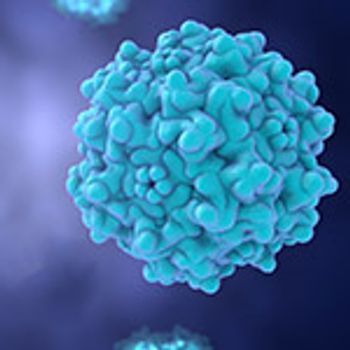
Viral vectors show promise as a delivery mechanism for gene therapy, but which virus types are commercially viable?
The company will build an additional commercial-scale, contract manufacturing facility for viral vectors and gene therapies near its existing site in Carlsbad, CA.
The new patented process results in uniform, scalable production and the ability to deliver cell cargo similar to natural exosomes/extracellular vesicles.
Daiichi Sankyo has entered into a partnership with Ultragenyx Pharmaceutical for the use of Ultragenyx’s proprietary AAV-based gene-therapy manufacturing technology.
Thermo Fisher is focused on investing to expand three specific areas of demand: biologics, cell and gene therapy, and drug product development and commercial capabilities.
In January 2020, the agency finalized six clinical development and manufacturing guidance documents and drafted new guidance on what would qualify new gene therapies as orphan drugs.
The 135,000 square foot facility will be constructed over 18 months and is expected to be operational in 2021.
Technology and capacity investments create opportunities in the cell and gene therapy arena for CDMOs and biopharma alike.
As cell and gene therapies become more prominent, industry is seeking the expertise and capabilities of outsourcing partners to ensure success.
Contract partners must help innovator biotechs consider manufacturability as early as possible in development. This requires focusing on technical and operational performance, as well as cost.
The new facility includes six classified environment rooms with space to expand.

Vein-to-vein programs are focusing on data access and traceability.

The commercialization of cell therapies is still at its infancy, but industry is facing an exciting period of development as the sector is expected to grow exponentially.

The trend toward personalized medicines includes more complex manufacturing cycles that can benefit from advanced process modeling early on in the therapeutics’ development.

The production of viral vectors for use in gene therapy benefits from being able to use similar cell-culture processes as mAbs, but it faces limitations under current cell-culture technologies.

Developers need to transcend the limits of existing separation technologies, to maximize vector recovery while preserving therapeutic potency.
The new facility, to be operated under the newly formed CDMO, The Center for Breakthrough Medicines, will be located in King of Prussia, PA, and will increase manufacturing capacity for cell and gene therapies.
The agency has published seven guidance documents directed at the development and manufacture of gene therapies.
The new course is directed at analyzing the skills gap in the manufacture of cell and gene therapies as they progress toward manufacturing at scale.
The new company will work to provide the manufacturing technologies and processes needed to develop and commercialize new cell and gene therapies through individual company products and expertise.