

Today's biopharmaceutical news highlights an FDA breakthrough designation in spinal muscular atrophy, an expanded oncology collaboration focused on tumor activated bispecifics, and a new biosimilar launch for retinal diseases in Europe.
Today's biopharmaceutical news highlights an FDA breakthrough designation in spinal muscular atrophy, an expanded oncology collaboration focused on tumor activated bispecifics, and a new biosimilar launch for retinal diseases in Europe.

Teva launches Ahzantive, an EMA-approved aflibercept biosimilar, in select European markets for wet AMD and other retinal diseases.

The FDA has granted Breakthrough Therapy Designation to Biogen's investigational antisense oligonucleotide salanersen for spinal muscular atrophy, supported by Phase 1b data showing motor function improvements and reduced neurodegeneration in children previously treated with gene therapy.
Daily biopharma update covering RNA exon editing licensing, gene therapy clinical data, and preclinical rare disease collaboration advances across the biotech sector.

IDefine and UT Southwestern will assess a preclinical EHMT1 gene replacement strategy for Kleefstra syndrome.

Lilly adds Ascidian’s RNA exon-editing platform for rare inherited kidney disease targets in a deal with no disclosed clinical data.

Interim phase 1b/2 data from Tenaya Therapeutics’ MyPEAK-1 study showed TN-201 gene therapy was generally well-tolerated and associated with improvements in cardiac remodeling, symptom burden, and functional measures in patients with MYBPC3-associated hypertrophic cardiomyopathy.¹
Today’s BioPharm Brief covers FDA draft guidance aimed at streamlining rare disease gene therapy development, Phase 3 trial updates involving dual survival endpoints in oncology programs, and Eli Lilly’s $1.2 billion licensing deal for a GLP-2 therapy in short bowel syndrome.

Eli Lilly has entered a licensing agreement with Hanmi Pharmaceutical for sonefpeglutide, a long-acting GLP-2 receptor agonist in Phase 2 development for short bowel syndrome. The deal includes $75 million upfront and up to $1.2 billion in milestone payments, plus royalties.

FDA draft guidance outlines how prior scientific knowledge may support gene therapy development for rare and life-threatening diseases.

From multifunctional antibodies and T-cell engagers to in vivo cell therapies and hepatitis B functional cures, the most important large-molecule therapies of 2026 reveal the technological trends driving the next generation of biologic medicines.
New data in lung cancer and solid tumors highlight the growing impact of next-generation immunotherapies, including bispecific antibodies and TCR-based therapies, as developers report encouraging efficacy across difficult-to-treat patient populations.

New clinical and translational data presented at ASCO 2026 and published in Nature Medicine demonstrate encouraging anti-tumor activity and manageable safety for Immatics’ IMA401 TCR bispecific in patients with MAGE-A4-positive solid tumors.

Point-of-care manufacturing could expand personalized medicine by enabling faster, decentralized drug production, though quality and regulatory hurdles remain.
Pfizer’s $10.5 billion oncology collaboration with Innovent, early clinical progress for a novel PD-1/IL-2 fusion protein, and promising Phase III hepatitis B cure data highlight today’s key developments in biopharmaceutical innovation.
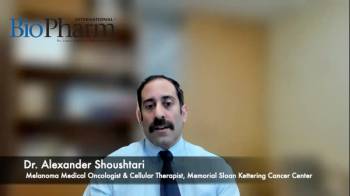
New five-year data from the Phase 3 tebentafusp (brand name Kimmtrak) trial are continuing to generate attention across oncology, particularly in metastatic uveal melanoma, a rare and historically difficult-to-treat cancer with limited treatment options and poor long-term survival outcomes. The study, presented during the 2026 annual meeting of the American Association for Cancer Research, represents the longest prospective Phase 3 randomized trial to report five-year overall survival data in metastatic uveal melanoma and the longest follow-up study for any T-cell engager in a solid tumor.
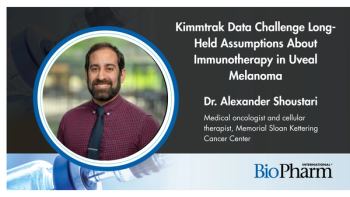
Five-year follow-up data from the Phase 3 Kimmtrak trial are providing new evidence that precision immunotherapy approaches can deliver durable benefits in metastatic uveal melanoma, a disease long considered resistant to immune-based treatments.

Phase 3 B-Well trial results published in The New England Journal of Medicine showed that GSK's investigational antisense oligonucleotide bepirovirsen achieved functional cure rates of up to 26% in chronic hepatitis B, significantly exceeding outcomes typically seen with current standard-of-care therapies.

Pfizer and Innovent Biologics have entered a global oncology collaboration worth up to $10.5 billion to develop 12 early-stage cancer programs, underscoring growing interest among multinational pharmaceutical companies in China's biotechnology innovation ecosystem.

New translational data from the AIPAC-003 trial suggest that systemic immune activation induced by eftilagimod alfa may be associated with improved progression-free and overall survival in patients with metastatic breast cancer receiving chemoimmunotherapy.
New research presented by Florida Cancer Specialists & Research Institute found similar safety and quality outcomes for CAR-T cell therapy delivered at accredited and non-accredited centers, suggesting treatment location may play an important role in improving patient access to care.

APAC clinical trials require tailored strategies to manage regulatory, operational, and cultural differences for efficient, high-quality study execution.

Newly published Phase 3 HERIZON-GEA-01 results in The New England Journal of Medicine showed durable progression-free and overall survival benefits with zanidatamab-containing regimens in first-line HER2-positive gastroesophageal adenocarcinoma, supporting their potential role as a new treatment standard.
Olezarsen’s latest pancreatitis data, Apogee’s advancing atopic dermatitis program, and Jade Biosciences’ first-in-human autoimmune trial highlight continued momentum in RNA therapeutics, immunology, and antibody development across the biopharmaceutical industry.

Advances in predictive modeling, translational bioanalytics, and human-relevant research systems may help reduce reliance on animal testing while improving the clinical relevance of preclinical drug development. Experts say these approaches could streamline IND preparation, lower costs, and support more informed decision-making across biopharmaceutical R&D.

Vir Biotechnology announced complete 96-week Phase 2 SOLSTICE trial data evaluating the combination of tobevibart and elebsiran in chronic hepatitis delta virus infection, with results showing sustained virologic suppression and liver function improvements.

Jade Biosciences announced dosing of the first participant in a Phase 1 clinical trial evaluating JADE201, an investigational anti-BAFF-R monoclonal antibody designed for autoimmune diseases including rheumatoid arthritis.

Apogee Therapeutics reported positive 16-week Phase 2 data for zumilokibart in moderate-to-severe atopic dermatitis, with the investigational anti-IL-13 antibody meeting all primary and secondary endpoints and supporting advancement into Phase 3 trials later this year.
Today’s BioPharm Brief covers promising Phase 1 data for Eli Lilly’s gene-editing therapy VERVE-102, evolving CAR-T and bispecific competition in multiple myeloma, and new preclinical findings for a Parkinson’s disease regenerative therapy candidate.

Andrea Zobel and Marco Hogenboom of Cencora World Courier discuss the operational and logistical challenges shaping the radiopharmaceutical sector as therapies move toward broader commercialization. The executives outline how regulatory complexity, short delivery windows, AI-enabled logistics systems, and global coordination requirements are redefining advanced therapy supply chains.