

"We have made the strategic decision to focus on our in vivo-engineered TCR-T program for solid tumor indications. Our goal is to build on the promise of our prior work, using our two most active TCRs from our ex vivo-manufactured TCR-T program... Our team has made tremendous progress over the past year, and we are now on a path to initiating Phase 1 development by the end of next year."
— Gavin MacBeath, Ph.D., chief executive officer, TScan Therapeutics
News|Events|September 3, 2026
TScan Therapeutics Cuts 75% of Staff, Pivots to In Vivo TCR-T for Solid Tumors
Author(s)Emily Schoenthaler
Listen
0:00 / 0:00
TScan Therapeutics is reorganizing to prioritize in vivo-engineered TCR-T therapy for solid tumors, pausing its phase 3 trial and autoimmune program and cutting about 75% of its workforce, even as new phase 1 data showed complete donor chimerism in all tracked heme malignancy patients.
Advertisement
TScan Therapeutics announced a strategic reorganization to prioritize an in vivo-engineered T cell receptor (TCR)-T cell therapy program for solid tumors, advancing two product candidates — one targeting PRAME, the other MAGE-A4 — into IND-enabling studies, with plans to initiate phase 1 development in the fourth quarter of 2027.¹ As part of the shift, the company is pausing further enrollment in its Phase 3 ALLOHA-2 study of TSC-101 in heme malignancies, citing insufficient capital to complete the trial, and is evaluating strategic partnerships for both its heme and autoimmune programs.¹ The reorganization includes eliminating TScan's internal manufacturing organization, significantly reducing its research footprint, and cutting approximately 75% of its workforce, changes expected to produce cumulative cost savings of $55 million through the end of 2027 and extend the company's cash runway into the fourth quarter of 2027.¹
Gavin MacBeath, Ph.D., chief executive officer of TScan, said, "Last year TScan took a first step towards streamlining the company, enabling us to advance our most promising science. We have now seen very encouraging data on patients treated with our commercial-ready manufacturing process for TSC-101, and we firmly believe this is an important product candidate that has the potential to solve a major unmet medical need in heme malignancies. Because we are limited by our ability to access the substantial capital resources needed to complete the phase 3 trial, we have made the difficult decision to allocate our resources to programs we believe better allow us to create value for all stakeholders, including patients."¹
What happened with the heme malignancies data?
Despite the pause, TScan reported encouraging Phase 1 ALLOHA data alongside the reorganization. All 13 patients currently being tracked in Cohort C — evaluating TSC-101 made with the company's commercial-ready manufacturing process, in patients with heme malignancies undergoing allogeneic hematopoietic cell transplantation — showed complete donor chimerism, including two patients who had previously relapsed and then converted to complete donor chimerism after an additional TSC-101 infusion and/or targeted agents.¹ TScan noted this occurred in a cohort of patients at very high risk of relapse.¹
TSC-101 is an allogeneic, donor-derived TCR-T cell therapy designed to target HA-2, a minor histocompatibility antigen mismatched between transplant recipients and donors and presented on HLA-A*02:01; by selectively eliminating residual recipient hematopoietic cells after transplant, the approach is intended to prevent relapse, which affects roughly 40% of allogeneic HCT patients.³ Early Phase 1 results reported at the 2024 Tandem Meetings similarly found that TSC-100 and TSC-101 induced complete donor chimerism with a favorable early prognosis, findings that TScan has said helped inform the commercial-ready manufacturing process now being used in Cohort C.2 No peer-reviewed journal publication of the Cohort C data referenced above exists yet — the 13/13 chimerism finding has been reported only in conference presentations and company press releases to date.
Before the pause, seven patients had been enrolled on the treatment arm of the Phase 3 ALLOHA-2 trial, which TScan will continue to follow at reduced cost.¹
Why is TScan making this pivot now?
TScan's shift mirrors a move made just two days earlier by ArsenalBio, which announced its own pivot to in vivo CAR T-cell therapy and a comparable workforce reduction, citing similar limitations in traditional ex vivo cell therapy manufacturing. MacBeath described the rationale in similar terms: "We believe that the in vivo engineering approach solves the key challenges of traditional autologous cell therapy and that we can build on the remarkable successes we have seen in this field to advance in vivo TCR-T therapy for patients with solid tumors."¹ TScan said its in vivo approach is intended to overcome the cost and difficulty of patient-specific manufacturing, delays in getting product to patients, and the need for lymphodepletion that come with ex vivo-engineered autologous TCR-T therapy.¹
The rationale echoes broader industry commentary on ex vivo cell therapy's access limitations. Ryan Larson, PhD, SVP, head of research at Umoja BioPharma, addressed this directly in
What's happening with TScan's autoimmune program?
TScan is also pausing its autoimmune program, which had identified targets of pathogenic T cells in HLA-B*27-associated autoimmune disorders including ankylosing spondylitis, and is evaluating strategic partnerships for it.¹ This follows Amgen's decision, disclosed in mid-August 2026, to end its collaboration with TScan targeting novel antigens in Crohn's disease —
What happens next?
TScan expects to share preclinical data on its in vivo solid tumor candidates in the first quarter of 2027 and file its first IND in the third quarter of 2027.¹ The company remains committed to reporting updated Cohort C data in the fourth quarter of 2026 and data on all patients treated with its commercial-ready manufacturing process in the second quarter of 2027, while it seeks a strategic partner for the paused heme program.¹
References
- TScan Therapeutics, Inc.
TScan Therapeutics Announces Strategic Reorganization to Focus on in vivo Cell Therapy for Solid Tumors . Press release. Published September 2, 2026. Accessed September 3, 2026. - Reshef R, Al Malki MM, Suh HC, Popat UR, Solh MM, MacBeath G, et al.
TSC-100 and TSC-101, TCR-T Cell Therapies That Target Residual Recipient Cells after Reduced Intensity Conditioning Transplantation, Induce Complete Donor Chimerism with Favorable Prognosis: Early Results of a Phase 1 Trial . Transplant Cell Ther. 2024;30(2 Suppl). Accessed September 3, 2026. - Haigney S.
ASGCT 2025: Emerging Modalities for Cancer Treatments . BioPharm International. Published May 12, 2025. Accessed September 3, 2026. - Incorvaia D.
Amgen abandoning $500M+ inflammation collab won't derail TScan's pipeline strategy . Fierce Biotech. Published August 19, 2026. Accessed September 3, 2026.
Advertisement
Related to this article
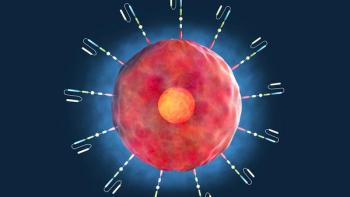
As ArsenalBio, TScan, Bristol Myers Squibb, and others abandon ex vivo programs for in vivo engineering, early clinical data and platform differences point to both the promise and the unresolved safety, manufacturing, and regulatory questions of generating CAR-T cells inside the body.

In the phase 3 SHINE-2 trial, half of pediatric patients who responded to mirikizumab induction were in clinical remission at week 52. Lilly plans to file for a pediatric UC label expansion.
Rohit Tripathi, vice president of industry strategy, consumer packaged goods, and manufacturing at RELEX Solutions, explains what is driving biopharma reshoring, how USMCA uncertainty complicates sourcing for biologics, and where cold-chain visibility still breaks down.

Backed by €400 million (US$449 million) in EU-cleared German aid, the new Frankfurt facility is designed to secure insulin supply for people with diabetes from 2032.

EA2251, the 7th registrational trial of ivonescimab, will test it plus chemotherapy vs pembrolizumab or durvalumab regimens in first-line BTC.
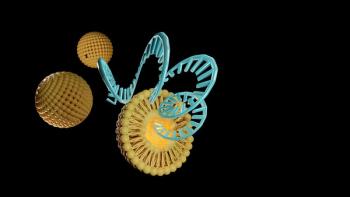
METiS TechBio will apply its AI-driven AiLNP ionizable lipid platform to discover LNPs designed to deliver therapeutics beyond the liver, under a collaboration with Eli Lilly worth up to $1.1 billion in milestones.

Interim phase 1 data presented at UEG Week 2026 showed Bionyra Pharma’s Fc-engineered anti-TL1A antibody BYN-002 suppressed soluble TL1A with a half-life supporting potential every-3-to-6-month maintenance dosing in IBD.
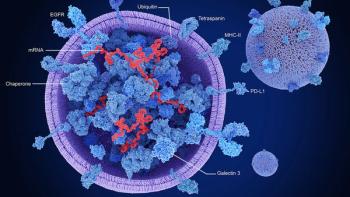
Inhaled EXO-CD24 kept 85% of patients with ARDS free of respiratory failure at day 7 vs 33.3% with placebo in a 90-patient phase 2b trial.
Advertisement
Advertisement
Trending on BioPharm International
1
Nuravax Alzheimer Vaccine AV-1959R Earns FDA Fast Track Designation
2
Nano24's Inhaled EXO-CD24 Cuts ARDS Mortality in Phase 2b Trial
3
Akeso's Ivonescimab Enters Phase 2/3 Biliary Tract Cancer Trial in US
4
Geneos Launches Phase 2 IMPACT31 Trial of Personalized DNA Cancer Vaccine to Prevent Liver Cancer Recurrence
5