
Targets such as B7H4 are of growing interest because of their tumor-selective expression profile and limited distribution in normal tissues, making them attractive candidates for immune redirection strategies.
News|Articles|May 8, 2026
Harbour BioMed Gains FDA Clearance for First-in-Human Study of B7H4xCD3 Bispecific Antibody HBM7004
Author(s)Emily Schoenthaler
Listen
0:00 / 0:00
Key Takeaways
- FDA IND clearance enables a Phase I dose-escalation study assessing safety, tolerability, pharmacokinetics, and preliminary anti-tumor activity across multiple advanced solid tumor types.
- HBM7004 leverages B7H4 tumor expression to localize CD3-mediated T-cell activation, aiming to preserve MHC-independent cytotoxicity while limiting systemic immune stimulation.
Harbour BioMed has received FDA IND clearance to begin a Phase I trial of its B7H4xCD3 bispecific antibody HBM7004 for advanced solid tumors, advancing its pipeline of T cell–engaging cancer immunotherapies.
Advertisement
Harbour BioMed announced that the FDA has cleared its Investigational New Drug (IND) application for HBM7004, enabling initiation of a Phase I first-in-human study in patients with advanced solid tumors. The trial will evaluate safety, tolerability, pharmacokinetics, and preliminary anti-tumor activity in multiple cancer types.¹
The clearance marks an important regulatory step for the company as it expands its oncology pipeline focused on next-generation bispecific antibody therapies designed to improve tumor-selective immune activation.
B7H4xCD3 Bispecific Designed for Tumor-Directed T Cell Engagement
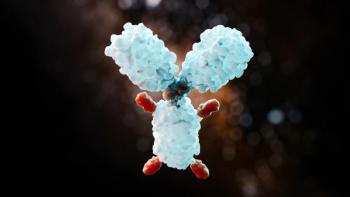
HBM7004 is a bispecific antibody targeting B7H4 and CD3, developed using Harbour BioMed’s HBICE® platform. The molecule is designed to redirect T cells toward B7H4-expressing tumor cells, enabling localized immune activation within the tumor microenvironment while limiting systemic immune stimulation.¹
B7H4 is an immune checkpoint protein broadly expressed across multiple solid tumors and associated with immune evasion mechanisms.³ CD3-targeting bispecific antibodies are a class of T cell–redirecting therapies that induce MHC-independent tumor cell killing through direct engagement and activation of cytotoxic T cells.²
Preclinical Data Show Anti-Tumor Activity and Combination Potential
According to Harbour BioMed, preclinical studies demonstrated that HBM7004 induced B7H4-dependent T cell activation within tumor environments and showed strong anti-tumor activity across multiple in vivo models. The therapy also exhibited favorable pharmacokinetics and reduced systemic toxicity in preclinical testing.¹
Combination studies further indicated synergistic activity when paired with a B7H4x4-1BB bispecific antibody at low effector-to-target ratios, suggesting potential for dual-costimulatory strategies to enhance T cell activation while maintaining tolerability.¹
These findings are consistent with broader efforts to improve the therapeutic window of T cell–engaging antibodies in solid tumors, where tumor microenvironment barriers and safety constraints remain key challenges.⁴
Expanding Role of Bispecific Antibodies in Solid Tumors
Bispecific antibodies targeting CD3 have become one of the most active areas of oncology drug development, particularly following clinical validation in hematologic malignancies such as multiple myeloma and B-cell cancers. However, translating these approaches to solid tumors remains more complex due to antigen heterogeneity and immunosuppressive tumor microenvironments.⁴
Targets such as B7H4 are of growing interest because of their tumor-selective expression profile and limited distribution in normal tissues, making them attractive candidates for immune redirection strategies. Despite this promise, cytokine release syndrome and on-target off-tumor toxicity remain central concerns for CD3-based therapies in solid tumors.
Harbour BioMed Platform Strategy
HBM7004 was developed using Harbour BioMed’s HBICE® platform, which enables the creation of heavy-chain-only antibody-based immune cell engagers. The platform is designed to support modular development of multispecific antibody formats with tunable immune activation properties.¹
The company continues to expand its oncology pipeline through internal R&D, global collaborations, and antibody engineering platforms aimed at accelerating discovery of next-generation biologics for cancer and immune-mediated diseases.
Clinical Outlook
With IND clearance secured, HBM7004 will enter a Phase I dose-escalation study in patients with advanced solid tumors. The trial will focus on safety and pharmacokinetics while assessing early signs of anti-tumor efficacy.
Bispecific T cell–engaging therapies have demonstrated strong clinical impact in hematologic malignancies, but their role in solid tumors remains under active investigation as developers work to improve safety and tumor penetration.⁴
References
- Harbour BioMed. (2026, May 8). Harbour BioMed announces U.S. FDA IND clearance for HBM7004 for the treatment of advanced solid tumors. PR Newswire.
https://www.prnewswire.com/news-releases/harbour-biomed-announces-us-fda-ind-clearance-for-hbm7004-for-the-treatment-of-advanced-solid-tumors-302766800.html - June, C. H., & Sadelain, M. (2018 Jul 4). Chimeric antigen receptor therapy. New England Journal of Medicine.
https://www.nejm.org/doi/full/10.1056/NEJMra1706169 - Dawidowicz, M., Kot, A., & Mielcarska, S. (2024 Apr 8). Prognostic Value of B7H4 Expression in Patients with Solid Cancers: A Systematic Review and Meta-Analysis Cancers.
https://www.mdpi.com/1422-0067/25/9/5045 - Chen, T. T. (2022 Jan 30). Conditionally active T cell engagers for the treatment of solid tumors: rationale and clinical development. Expert Opinion on Biological Therapy.
https://www.tandfonline.com/doi/10.1080/14712598.2022.2098674
Advertisement
Related to this article

Roche gains exclusive global rights to ZW209, a DLL3×CD3×CD28 trispecific T-cell engager designed for CD28 co-stimulation. A phase 1 study in small cell lung cancer and other neuroendocrine tumors is underway.

Interim phase 1 data presented at UEG Week 2026 showed Bionyra Pharma’s Fc-engineered anti-TL1A antibody BYN-002 suppressed soluble TL1A with a half-life supporting potential every-3-to-6-month maintenance dosing in IBD.

In the phase 3 SHINE-2 trial, half of pediatric patients who responded to mirikizumab induction were in clinical remission at week 52. Lilly plans to file for a pediatric UC label expansion.

This year's PharmSci 360 will close with a plenary on fixing drug development economics given by Averin's Dr Berry.

Dr Karunakar Sukuru of Catalent explains how lipid-based softgels address physiological barriers to oral peptide delivery as approvals increase.

Full Phase 3 TroFuse-005 data presented at ESMO 2026 show the TROP2-directed ADC sacituzumab tirumotecan cut the risk of death by 32% vs chemotherapy, and an FDA decision is expected by June 2027.

A patient with relapsing MS died of septic pneumonia 44 days after zola-cel CAR T infusion, as all 60 dose level 2 patients stayed off DMTs.
BioNTech and DualityBio's HER2-directed ADC modestly improved progression-free survival over chemotherapy in DYNASTY-Breast02, but higher interstitial lung disease rates and an established competitor limit its potential in this setting.
Advertisement
Advertisement
Trending on BioPharm International
1
Merck and Kelun’s Sac-TMT Extends Survival by Nearly 7 Months in Pretreated Endometrial Cancer
2
BioNTech’s HER2 ADC Hits Phase 3 Goal, but Companies See Limited Benefit
3
BMS Reports Death in Phase 1 Zolacabtagene Autoleucel MS Study
4
The BioPharm Brief: Survival Gains, a Modest ADC Win, and CAR-T in Multiple Sclerosis
5