



Biologic Drugs in Development
Latest News

Advertisement
Latest Videos




Advertisement
More News

Regeneron Pharmaceuticals' garetosmab-grts has become the first approved therapy to shrink new bone lesions in FOP, cutting them by up to 94% as it targets the disease's root biology directly.

The FDA has approved Genglycos (pariglasgene brecaparvovec-opnr), a one-time AAV8 gene therapy, to reduce cornstarch dependence in patients eight and older with GSDIa, the first approved treatment to target the disease's underlying genetic cause.
AbelZeta Pharma has reclaimed global rights to prizloncabtagene autoleucel from Janssen and secured FDA clearance to begin US trials, positioning the anti-CD20/CD19 bispecific CAR-T for patients who relapse after existing CAR-T therapies.

The companies are targeting a protein on glioblastoma's treatment-resistant tumor stem cells, which could open a new path past the blood-brain barrier.

Merck and Moderna's Intismeran Autogene Plus Pembrolizumab Meets Endpoints in Phase 3 Melanoma Trial
Merck and Moderna report that the personalized mRNA plus mAb cancer therapy cleared its first phase 3 hurdle, cutting recurrence risk beyond pembrolizumab alone.

Eyconis has dosed the first patients in OVERTURE, a phase 1b/2a first-in-human trial of EYC-0305, an investigational anti-VEGF antibody fragment designed for six-month or longer dosing intervals in wet age-related macular degeneration, marking the company's transition to clinical-stage status.

Australia's first commercial imlifidase transplant offers a path forward for patients whose antibodies had blocked a compatible kidney.

The FDA has granted Fast Track designation to C-1101, Consano Bio's investigational platelet-derived multi-protein biologic for chronic, painful lumbosacral radiculopathy, following the drug's recent IND clearance and as the company advances a Phase 1 trial evaluating the epidural injection.

Genprex moves its diabetes gene therapy toward the clinic, tapping a CGMP CDMO after preclinical models reversed hyperglycemia in mice.

Outsourced cell and gene therapy manufacturing is set to grow nearly 6-fold by 2035 as biotech pipelines outpace in-house capacity.
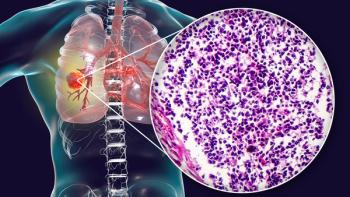
The independent data monitoring committee's finding leaves clinicians without a new option for PD-L1-low NSCLC, a population historically underserved by current immunotherapies.

OncoC4 has dosed the first patient in a phase 1 trial of ONC-783, a T-cell engager targeting neoCD24, a cancer-specific glycoform of CD24, positioning the subcutaneously administered candidate as a potential treatment across multiple solid tumor types.

Shanghai Henlius Biotech has entered a strategic collaboration with Sandoz covering up to 10 proposed monoclonal antibody and antibody-drug conjugate biosimilar assets, deepening the companies' existing oncology biosimilars partnership with initial deals worth up to $322 million.

IASO Bio adds a fratricide-resistant CAR-T platform to its pipeline, aiming to speed novel T-cell malignancy therapies to patients.

Spevatamig's fast track status targets a cancer where 5-year survival is under 20%, pairing a novel mechanism with pembrolizumab.

Fresh $175 million in funding follows Silence's 88% response rate in its divesiran polycythemia vera trials, positioning the company for a planned 2027 phase 3 push.

China's NMPA has approved ivonescimab plus chemotherapy for first-line advanced squamous non-small cell lung cancer, based on Phase III HARMONi-6 data showing the PD-1/VEGF bispecific antibody combination reduced the risk of death by 34% compared with a PD-1 inhibitor plus chemotherapy.
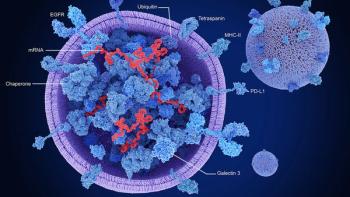
Under the 5-year manufacturing deal, NurExone will access Made Scientific's Princeton, NJ, GMP facility to speed regenerative exosome therapies toward clinical trials.

AbCellera aims to tap public markets to push ABCL635 forward after the therapy cut menopause hot flash severity 58% versus 12% for placebo in trials.

Zamubafusp alfa's FDA fast track status highlights the therapy's ability to remove toxic amyloid already damaging the heart and kidneys in AL amyloidosis patients.

Silence's siRNA drug freed 88% of trial patients from ongoing phlebotomies, a chronic burden for people with polycythemia vera.
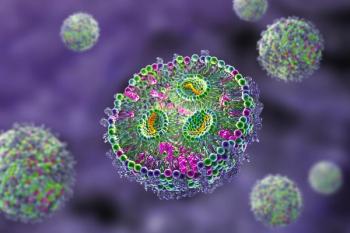
Stand Up To Cancer has awarded its Nina Nicolai Pancreatic Cancer Innovation in Collaboration Award to a research team developing a combination approach that pairs an engineered mRNA vaccine with KRAS G12D-directed TCR-T cell therapy, aiming to sustain antigen production and improve T-cell responses against pancreatic cancer.

Early Parkinson patients could gain a first disease-modifying option as ACI-7104 clears a major FDA hurdle after strong interim results.

Ascletis Begins Phase I Studies of Amylin Agonist ASC36 and Its GLP-1/GIP Co-Formulation for Obesity
Ascletis has initiated two Phase I studies for its obesity pipeline: ASC36, a once-monthly amylin receptor peptide agonist, and ASC36_35FDC, a once-monthly fixed-dose co-formulation of ASC36 with its GLP-1R/GIPR dual agonist ASC35, following recent FDA IND clearances for both candidates.

Akeso is pairing a next-gen bispecific ADC with its PD-1/VEGF antibody, ivonescimab, in a first-line push against hard-to-treat breast cancer.
Advertisement
Advertisement