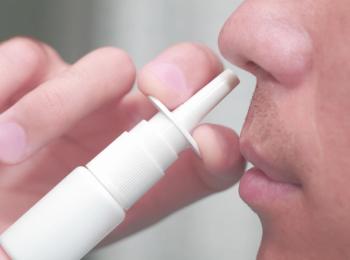
In the Phase 2a INFORM-MS trial, Tiziana’s nasal foralumab reduced microglial activation on PET imaging at 50 µg in non-active secondary progressive MS, while the 100-µg dose showed no significant effect.
More monoclonal antibodies are moving from IV infusion to subcutaneous injection, but dose, volume, and viscosity still limit the switch. This FAQ covers the formulation science, the enabling technologies, what regulators require, and what remains unresolved.
Subcutaneous antibodies can cut chair time and move treatment closer to home, but fitting a high-dose biologic under the skin is still a formulation problem. Here is what limits the switch, how developers are getting around it, and what is still unresolved.