


Feature|Videos|January 9, 2025
An All-Government Approach: Recognizing the Benefits and Drawbacks
The panel covers the benefits and challenges of a unified government pandemic response, focusing on transparency and trust-building.
Advertisement
Episodes in this series
In this segment, the panelists talk about the good and bad of a coordinated government response to pandemics. The importance of transparency, unified communication, and addressing public skepticism is emphasized, as well as strategies to improve vaccine uptake and trust.
Advertisement
Related to this article
New clinical data highlight improved disease control, reduced eye bulging, and weight-loss benefits, potentially broadening options for patients with unmet needs.

Antisense oligonucleotides are reshaping drug design, from RNase H gapmers to inhaled delivery; this FAQ explains how they work and why trials still fail.
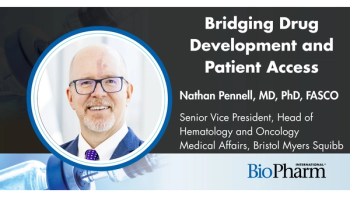
Bristol Myers Squibb's Nathan Pennell explains how the MRD endpoint supports accelerated approval in multiple myeloma without changing how clinicians monitor patients.

Once-weekly amylin analog petrelintide produced up to 9.2% weight loss at 28 weeks in adults with obesity and type 2 diabetes, Zealand Pharma reports.

Teprotumumab N01 (Sycume) reduced eye bulging in 60.4% of patients with chronic, inactive thyroid eye disease in a phase 3 trial.

Tecentriq plus chemotherapy gains FDA approval for stage III dMMR colon cancer after a phase 3 trial showed improved disease-free survival.
New clinical milestones, manufacturing investments, and regulatory incentives could help developers overcome barriers to delivering treatments for patients with rare diseases.

Genglycos, the gene therapy that earned the voucher, will fund new Ultragenyx therapies for other rare and ultra-rare diseases.
Advertisement
Advertisement