|Articles|September 9, 2019

IRBM Signs Agreement with MD Anderson Cancer Center for MAb Development

The organization will utilize the cancer center’s Research for Biologics and Immunotherapy Translation platform for the development of therapeutic monoclonal antibodies against a novel immune checkpoint target.

IRBM, a Pomezia, Italy-based research organization that partners with pharmaceutical and biotech companies, announced on Sept. 9, 2019 that it signed a service and development agreement with The University of Texas MD Anderson Cancer Center for the development of therapeutic monoclonal antibodies against a novel immune checkpoint target.

The organization will use the cancer center’s therapeutic antibody development-focused Research for Biologics and Immunotherapy Translation platform, which identifies and optimizes high-quality antibodies, opening the antibodies to development as novel therapeutics, according to a company press release. The collaboration will focus on identifying and validating lead antibodies through the pre-clinical proof of concept studies.

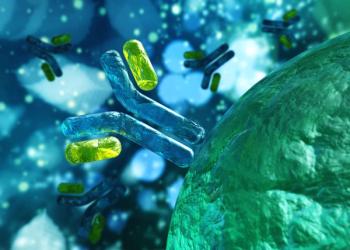
IRBM plans to use its proprietary phage-display antibody libraries and immuno-oncology capabilities to generate and optimize fully human antibody candidates against the undisclosed target, while MD Anderson has the option to proceed with clinical development of the antibodies through later clinical stages. 

“We are proud to partner with MD Anderson for this project,” said Carlo Toniatti, chief scientific officer, IRBM, in the press release. “This agreement brings together the top-notch IRBM antibody discovery platform and in-house broad drug discovery and development capabilities with the unique patient-driven translational medicine and clinical capabilities of MD Anderson’s Therapeutics Discovery team. This represents another step in our mission of advancing innovative treatment options for cancer patients.”

Source: IRBM


Related to this article

The BioPharm Brief: Survival, Gene Editing, and Skin Cancer
This episode of the BioPharm Brief highlights Roche’s Tam-Peli phase 3 survival data in relapsed small-cell lung cancer, Cellectis’ shift to in vivo gene editing for lipid disorders, and Phio Pharmaceuticals’ FDA briefing package for PH-762 in cutaneous squamous cell carcinoma.