In the era of seamless drug development, reducing time to
the clinic and getting rapid regulatory approval has become the goal of
nearly every early drug development sponsor. Handling drug
development, manufacturing, and clinical supply efficiently can help
sponsors save costs and provide maximum benefit for patients. To
improve the efficiency of the drug development continuum, integrated
solutions have become an effective option for sponsor companies to
streamline the transition from early development to the clinic, in
addition to providing timely clinical supplies to help keep study
timelines and budgets on track. Along with a discussion, examples of
real-life tactical and operational decisions involved in the integrated
approach to drug development will be presented.
New clinical data highlight improved disease control, reduced eye bulging, and weight-loss benefits, potentially broadening options for patients with unmet needs.
Antisense oligonucleotides are reshaping drug design, from RNase H gapmers to inhaled delivery; this FAQ explains how they work and why trials still fail.
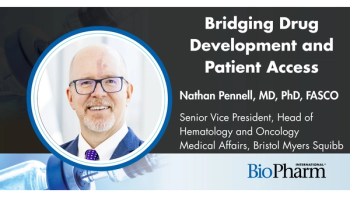
Bristol Myers Squibb's Nathan Pennell explains how the MRD endpoint supports accelerated approval in multiple myeloma without changing how clinicians monitor patients.