

As 2026 marches forward, the biopharma industry finds itself balancing therapeutic innovation with operational discipline across manufacturing, data integrity, and next-gen precision medicine
As 2026 marches forward, the biopharma industry finds itself balancing therapeutic innovation with operational discipline across manufacturing, data integrity, and next-gen precision medicine

A disciplined approach is needed to address complexity, limited knowledge, lack of platform processes and standard analytics, and regulatory uncertainty.

CGT is rapidly transforming oncology and rare disease research, with patient-derived models, advanced imaging, CRISPR/Cas9, and 3D organoids driving innovation while solid tumor modeling remains a critical frontier.

While allowing for high throughput and efficiency, the bulk fill/finish process exerts extreme stress on glass containers, resulting in cosmetic defects and breakage.

Siegfried Schmitt, PhD, vice president, Technical at Parexel, notes how it is necessary to search beyond the term “data integrity” to stay abreast of developments in this field.
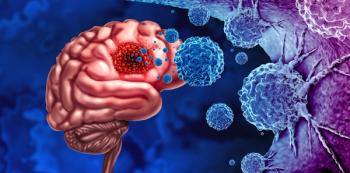
Despite decades of progress in cancer immunotherapy, glioblastoma remains largely resistant due to blood-brain barrier constraints, tumor heterogeneity, and an immunosuppressive microenvironment; advances in recombinant antibody engineering—including multispecific formats, nanobody fusions, and Fc optimization—are emerging as potential strategies to address these long-standing biological and translational barriers.

Spectral flow cytometry is democratizing high-parameter cell analysis, using modular instruments and AI to unlock deeper insights in cancer research.