

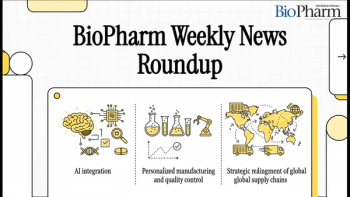
Novel biologics, from ADCs to in-vivo cell therapy, drive AI-enhanced quality control and supply chain flexibility in global biopharma innovation.
Novel biologics, from ADCs to in-vivo cell therapy, drive AI-enhanced quality control and supply chain flexibility in global biopharma innovation.
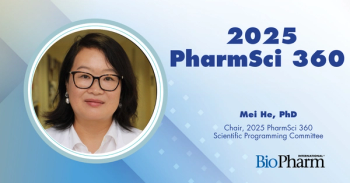
AI, gene therapy, top research breakthroughs, and more will be highlighted at this year’s AAPS PharmSci 360, according to programming chair, Mei He.
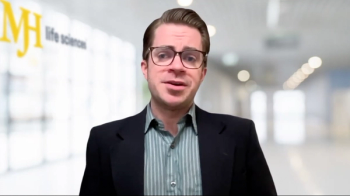
Digital transformation, data integrity protocols, and regionalized supply chains are crucial strategies for optimizing drug development and manufacturing efficiency, as revealed in our exclusive interviews.
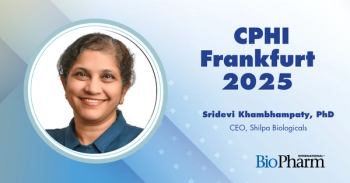
Shilpa Biologicals CEO Sridevi Khambhampaty addresses funding pressures, regional supply strategies, and expanding ADC development.
AI and innovative technology platforms are revolutionizing biopharma R&D and manufacturing, but success requires high data quality and next-gen solutions.
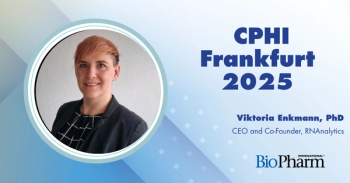
In the conclusion of a two-part conversation, Viktoria Enkmann of RNAnalytics says she had a hard time understanding the United States’ mRNA decision in August 2025.
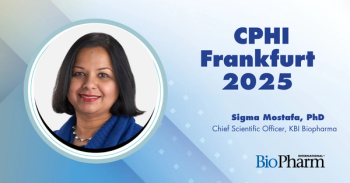
Digital platforms, automation, and new tech are driving efficiency, innovation, and advanced skill building in biomanufacturing, according to Sigma Mostafa of KBI Biopharma.
In the first of two parts, Viktoria Enkmann addresses problems with quality control for personalized medicines in the context of lipid nanoparticles and RNA therapeutics overall.
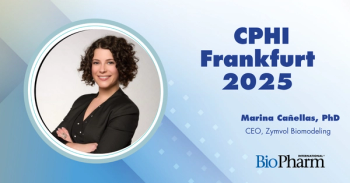
Enzyme engineering holds promise, but Marina Cañellas of Zymvol Biomodeling says the enzymes themselves need to be improved through increased discovery and investigation to be able to achieve a greater amount of chemical reactions.

Vishal Mukund Sonje, Vaccine Manufacturing Lead, CEPI, talks about the challenges that arise in the manufacturing of vaccines in various global regions and gives a preview of his presentation at CPHI Frankfurt 2025.

Organ-on-chip platforms and AI integration are revolutionizing drug development, personalizing medicine, and advancing pharma research, says React4Life’s Silvia Scaglione.

Pharmaceutical Technology® spoke with Tara Dougal, Event Director for Pharma at Informa Markets about what attendees at CPHI Frankfurt should expect this year.
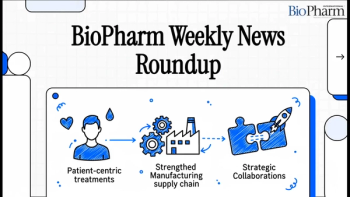
News from the week emphasizes improvement of patient access and supply-chain resilience through AI-driven manufacturing and digital traceability.

In this episode of the Ask the Expert video series, Susan J. Schniepp, Regulatory Compliance Associates, and Siegfried Schmitt, Parexel, give their opinions on why those working in the pharmaceutical industry should lend their voices to draft regulations.
The partnership is aiming to embed digital identification into labware, solving chain-of-identity challenges for individualized cell and gene therapies.
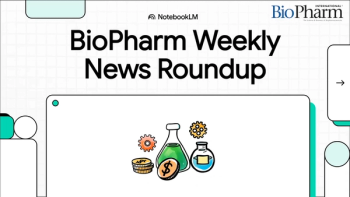
This week’s news highlights biopharma R&D’s focus on new biologics and CGT innovation, with growth fueled by AI adoption and significant investments into market expansion.

ARM board member Miguel Forte highlights education programs, innovation hubs, and hands-on training to foster workforce expertise in the biopharma industry.
Driven by R&D investment and personalized medicine, advanced biotech equipment is essential for scalable drug production and development into the next decade, according to a BCC Research report.
Maximizing value in advanced therapies requires the use of proven approaches, expert logistics, and tailored distribution, says Miguel Forte, board member of ARM.
Groundbreaking gene delivery, scalable IPSC approaches, and advanced production solutions will impact future CGT development, according to ARM board member, Miguel Forte.
Biopharma Q3 2025 data show M&A strength, selective venture capital favoring Phase II, record obesity deals, and significant upfronts flowing toward innovation in China.
ARM Board Member Miguel Forte highlights CGT investment shifts, sector resilience, and alternative funding strategies during Meeting on the Mesa.

Boosting AI spending, focusing on workforce upskilling, and tackling ethical challenges to drive innovation and product development are top of mind for life science CEOs.
Scaling biopharma innovation demands advanced manufacturing, global market expansion, and solving patient access barriers.

In this week’s news, industry shifts are marked by new FDA draft guidances, Pfizer’s agreement to MFN pricing, Novartis’ launch of DTP distribution, and AI-driven protein design.

Pfizer re-balances weight loss portfolio with Metsera, Bristol Myers Squibb and Roche make breast cancer progress, and Keytruda gets under your skin.
This week’s roundup highlights US manufacturing localization via tariffs, Pfizer’s $4.9 billion deal, and new tech in CRISPR, RNA, and continuous processing.

In this episode of the Ask the Expert video series, Susan J. Schniepp, Regulatory Compliance Associates, and Siegfried Schmitt, PhD, Parexel, answer questions on the use of real-world evidence for both small-molecule and large-molecule drug development. In addition, they tackle a question on supply chain security problems that arise during transportation of pharmaceutical goods.
Regulatory crackdowns on risk disclosure rise, policy instability affects public health, and drug innovation focuses on advanced therapies and AI-driven discovery.
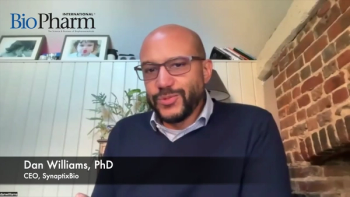
SynaptixBio CEO Dan Williams discusses how small biotechs drive rare disease innovation with genetic research, partnerships, and patient advocacy in a third interview installment.