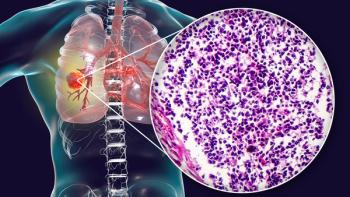
Geneos Therapeutics has initiated a 90-patient randomized phase 2 trial comparing its personalized neoantigen DNA vaccine GNOS-PV02 with active surveillance in patients with high-risk hepatocellular carcinoma after surgery.
Voyager Therapeutics presented six-month GLP toxicology data showing its tau-silencing AAV gene therapy VY1706 was well tolerated and reduced tau protein by up to 75% in key brain regions of non-human primates, with a clinical trial in Alzheimer's disease expected to begin in the second half of 2026.
Voyager Therapeutics presented six-month good laboratory practice (GLP) toxicology data for VY1706, its investigational gene therapy targeting tau in Alzheimer's disease (AD), in a late-breaking poster at the Alzheimer's Association International Conference in London.¹ A single intravenous dose of VY1706 was well tolerated in non-human primates and produced sustained tau protein reduction of up to 75% in key brain regions over the full six-month observation period, extending an earlier three-month dataset presented in May that showed reductions of up to 64%.¹, ² The durability of that effect over a longer observation window is the central new finding, since a one-time treatment that continues suppressing tau months after dosing supports the therapeutic rationale for a single-administration gene therapy rather than a repeat-dosing regimen.
VY1706 pairs a vectorized siRNA construct targeting MAPT mRNA, the gene that encodes tau, with Voyager's TRACER AAV capsid platform. The capsid is engineered to cross the blood-brain barrier following a single intravenous dose by exploiting ALPL, a receptor Voyager identified through its RNA-based capsid discovery platform, allowing broad central nervous system distribution without requiring direct intracranial injection.² That systemic delivery approach distinguishes VY1706 from many earlier AAV-based CNS gene therapies, which have relied on more invasive intrathecal or intraparenchymal administration to achieve adequate brain exposure. The approach has drawn comparison to other BBB-penetrant AAV capsid platforms in development, including JCR Pharmaceuticals' JUST-AAV technology, which similarly uses transferrin receptor-targeting strategies to improve CNS gene delivery while minimizing liver tropism, a comparable challenge VY1706's TRACER capsid is designed to address through de-targeting the liver relative to wild-type AAV9.³
Todd Carter, PhD, Chief Scientific Officer of Voyager Therapeutics, said the company's TRACER capsids have shown the ability to transduce a high proportion of neurons and astrocytes broadly across brain regions following a single intravenous dose in non-human primate studies, a foundation the company has built on with the VY1706 program specifically.⁴
Voyager is pursuing tau reduction in AD through two distinct modalities in parallel: VY1706, the AAV gene therapy that suppresses tau production at the source, and VY7523, an intravenously administered monoclonal antibody designed to inhibit the spread of pathological tau, which is currently in a multiple ascending dose trial with initial tau PET imaging data expected in the second half of 2026.² The gene therapy approach is intended to reduce both intracellular and extracellular tau by preventing its production altogether, whereas the antibody approach targets tau after it has already been produced and begun spreading between neurons. Running both programs in parallel reflects the company's stated view that tau reduction, achieved through either mechanism, may correlate with meaningful clinical benefit, though that hypothesis remains unconfirmed in humans for either approach.
Voyager received FDA IND clearance for VY1706 in June 2026, and the company continues to expect first-in-human dosing in adults with early Alzheimer's disease in the second half of 2026.¹ The six-month primate data presented at AAIC will likely serve as part of the safety package supporting that clinical entry, alongside the three-month dataset shown at ASGCT in May.