Key facts
- Drug: PVX108, peptide-based T-cell immunotherapy
- Indication: Peanut allergy (children/adolescents 4-17)
- Status: FDA fast track designation granted
- Trial: Phase 2, NCT05621317, 95 patients enrolled
- Data: Results anticipated later in 2026
FDA has granted fast track designation to Aravax's PVX108, a peptide immunotherapy for peanut allergy, ahead of phase 2 data.
FDA has
"There remains a critical need for effective new treatments for food allergy and we believe PVX108 has the potential to offer a safer, more convenient and disease modifying treatment for the millions affected by peanut allergy worldwide," said
Peanut allergy affects an estimated 1% to 2% of children in the United States and other Western countries and is a leading cause of severe, potentially fatal food-induced anaphylaxis.2 Current management relies primarily on strict dietary avoidance and rescue epinephrine. Palforzia, an oral peanut protein powder, remains the only FDA-approved immunotherapy for peanut allergy, approved in January 2020 for children aged 4 to 17 based on the phase 3 PALISADE trial.2
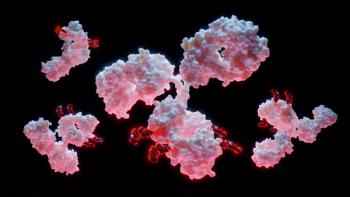
PVX108 consists of 7 proprietary synthetic peptides, each representing immunodominant T-cell epitopes from major peanut allergens, designed to retrain allergen-specific T cells while avoiding the acute allergic reactions associated with whole-allergen immunotherapy approaches.1,3 In an earlier phase 1 study, PVX108 produced immune changes in response to peanut protein that continued to develop after dosing had concluded, marking it the first peptide-based immunotherapy for food allergy to be administered to patients.3
The ongoing phase 2 trial (NCT05621317), conducted under an FDA investigational new drug application, is a double-blind, placebo-controlled study evaluating 2 dose levels of PVX108 against placebo, administered monthly over 44 weeks, in children and adolescents aged 4 to 17 with peanut allergy; the primary endpoint is the change in maximum tolerated dose of peanut protein on food challenge relative to baseline.4 The trial enrolled 95 patients across 8 sites in the US and 6 in Australia, and the company has said headline results are anticipated later in 2026.1,4
Fast track designation does not necessarily guarantee that PVX108 will be approved, and the benefits associated with the designation depend on FDA agreement at each stage of development. Phase 2 efficacy and safety data have not yet been reported.