

“Chronic TED remains a challenging condition. Many patients have been living with this disease for years or decades and would benefit from an effective and convenient treatment option. These REVEAL 2 results demonstrate the potential for elegrobart to provide meaningful improvement in the signs and symptoms of TED in as few as three doses.”
News|Articles|May 5, 2026
Viridian Reports Positive Phase III REVEAL-2 Data for Elegrobart in Chronic Thyroid Eye Disease
Author(s)Feliza Mirasol
Listen
0:00 / 0:00
Key Takeaways
- Week-24 proptosis responder rates were 50% (Q4W) and 54% (Q8W) versus 15% with placebo, with mean proptosis changes of −1.9/−2.1 mm versus −0.5 mm.
- Combined proptosis plus clinical activity score response reached 47% (Q4W) and 54% (Q8W) compared with 15% on placebo, meeting all proptosis-related key secondary endpoints.
Data from a phase 3 study show statistically significant improvements in proptosis and diplopia, along with favorable tolerability, which support regulatory advancement of elegrobart, a subcutaneous IGF-1R–targeting therapy for chronic autoimmune disease.
Advertisement
Viridian Therapeutics, a US-based biotechnology company, has reported positive topline results from a
Elegrobart, a
The REVEAL-2 study met its primary endpoint for both FDA and the European Medicines Agency (EMA) with high statistical significance (p < 0.0001). Proptosis responder rates at week 24 reached 50% in the Q4W group and 54% in the Q8W group, compared with 15% for placebo. Mean proptosis reductions were −1.9 mm and −2.1 mm for Q4W and Q8W dosing, respectively, versus −0.5 mm with placebo.1
How did elegrobart perform across key efficacy endpoints in REVEAL-2?
In addition to the primary endpoint, the study met all proptosis-related key secondary endpoints in both dosing arms. The overall responder rate, defined by combined proptosis and clinical activity score response, was 47% in the Q4W arm and 54% in the Q8W arm, compared with 15% in the placebo group (p < 0.0001 for both comparisons).1
Diplopia outcomes also showed improvement. The Q4W group achieved a statistically significant diplopia responder rate of 61% at week 24 compared with 38% in the placebo group (p = 0.0118). The Q8W group reported a 55% responder rate (p = 0.0419). Complete resolution of diplopia occurred in 44% of patients in the Q4W arm and 36% in the Q8W arm, compared with 25% in the placebo arm.1
“We are excited by today’s positive REVEAL 2 results and view these data as a major step forward for the chronic TED patient population,” said
What safety profile was observed in the phase 3 study?
Elegrobart was generally well tolerated across both dosing regimens. The safety profile was consistent with that observed in an earlier REVEAL-1 trial and aligned with expectations for the anti-IGF-1R class. Most adverse events were mild in severity, according to the company.
Rates of hearing impairment were low, with placebo-adjusted rates of 4.1% in the Q4W group and 8.8% in the Q8W group. A total of 91% of patients receiving elegrobart completed the full treatment course. No treatment-related serious adverse events were reported, the company stated in its release.1
“Chronic TED remains a challenging condition,” said
What are the next regulatory and pipeline milestones?
REVEAL-2 represents the second successful pivotal phase 3 trial for elegrobart, following positive results from the REVEAL-1 study in active TED, the company reported.1,2 Viridian stated it remains on track to submit a
The company is also advancing veligrotug, another IGF-1R-targeting therapy and its lead program for TED. Veligortug is currently under priority review with a Prescription Drug User Fee Act target action date of June 30, 2026.
References
- Viridian Therapeutics. Viridian Therapeutics announces positive topline results from Elegrobart phase 3 REVEAL‑2 clinical trial in chronic thyroid eye disease. Published May 5, 2026. Accessed May 5, 2026.
https://investors.viridiantherapeutics.com/news/news-details/2026/Viridian-Therapeutics-Announces-Positive-Topline-Results-from-Elegrobart-Phase-3-REVEAL2-Clinical-Trial-in-Chronic-Thyroid-Eye-Disease/default.aspx - An efficacy, safety, and tolerability study of VRDN-003 in participants with chronic thyroid eye disease (TED) (REVEAL-2). ClinicalTrials.gov identifier: NCT06625398. Updated Sept. 30, 2025. Accessed May 5, 2026.
https://clinicaltrials.gov/study/NCT06625398
Advertisement
Related to this article

The FDA has accepted Pierre Fabre Pharmaceuticals’ resubmitted BLA for tabelecleucel, an allogeneic T-cell immunotherapy for EBV+ post-transplant lymphoproliferative disease. The FDA’s target action date is March 31, 2027.
Odyssey's 146-patient phase 2a trial will pair OD-001 with vedolizumab, targeting both innate and adaptive immune drivers of ulcerative colitis.

MT027, T-MAXIMUM's B7-H3 CAR-T therapy, earns a second FDA-cleared phase 2 trial, now testing lung and breast cancer brain metastases.
Antisense oligonucleotides are reshaping drug design, from RNase H gapmers to inhaled delivery; this FAQ explains how they work and why trials still fail.

Genglycos, the gene therapy that earned the voucher, will fund new Ultragenyx therapies for other rare and ultra-rare diseases.
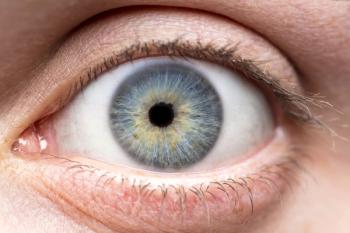
The FDA approved Roche's satralizumab (Enspryng), an IL-6 receptor-targeting monoclonal antibody, for adults with thyroid eye disease based on the Phase 3 SatraGO-1 and SatraGO-2 trials, giving patients the first at-home subcutaneous treatment option.

EST-201 and EST-101 target the genetic root cause of ADPKD, a disease affecting more than 8 million people worldwide, with trials starting 2027-2028.

AVT29, a proposed aflibercept biosimilar to Eylea 8 mg, could extend retinal disease treatment intervals to 16 weeks, versus 8 weeks today.
Advertisement
Advertisement
Trending on BioPharm International
1
Alvotech, Advanz Submit First Eylea 8 mg Biosimilar Bid
2
Lilly's Mirikizumab (Omvoh) Hits New IBD Remission Goals
3
Shift to In Vivo CAR T Will Reshape Facility Design, Says Arcadis’ Emily Heffernan
4
The BioPharm Brief: New Approvals, Biosimilar Competition, and Deeper Remission
5