

“These important results allow us, for the first time, to speak with real confidence to patients about the possibility of long-term survival. Before tebentafusp, such conversations simply weren't possible for metastatic uveal melanoma patients."
News|Articles|April 20, 2026
Tebentafusp Shows Durable Survival in Metastatic Uveal Melanoma, Immunocore Reports
Author(s)Feliza Mirasol
Listen
0:00 / 0:00
Key Takeaways
- Tebentafusp, a soluble TCR–anti-CD3 bispecific, delivered early and sustained Kaplan–Meier separation, representing the longest randomized follow-up in metastatic uveal melanoma and for a solid-tumor T-cell engager.
- A consistent OS advantage was reported in elevated LDH, high tumor burden, and extrahepatic disease, including patients whose best response was progressive disease with >20% tumor growth.
New data from Immunocore show that its bispecific protein, tebentafusp-tebn, demonstrated durable 5-year survival benefit in uveal melanoma, which highlights TCR therapies and ctDNA as emerging tools in oncology.
Advertisement
Five-year overall survival (OS) data for tebentafusp-tebn (brand name Kimmtrak), a
Uveal melanoma remains the most common primary intraocular malignancy in adults, with up to half of patients developing metastatic disease. Historically, five-year survival rates in metastatic settings have been below 5%, underscoring the
How does 5-year survival data reshape expectations in mUM?
Tebentafusp consists of a soluble T-cell receptor (TCR) fused to an anti-CD3 immune-effector function. In the study, 378 patients were randomized to receive tebentafusp (n=252) or investigator’s choice (n=126), with the majority of control-arm patients receiving pembrolizumab. At 5 years, OS was 16% in the tebentafusp arm compared with 8% in the control group, corresponding to a hazard ratio of 0.67. Median OS was 21.6 months versus 16.9 months, respectively.1
According to the company, Kaplan–Meier survival curves separated early and remained distinct over time, suggesting durability of benefit. These findings may indicate a shift in expectations for long-term survival in metastatic uveal melanoma, for which durable outcomes have historically been rare.
“These important results allow us, for the first time, to speak with real confidence to patients about the possibility of long-term survival,” said
What do subgroup and post-progression findings suggest about treatment durability?
The survival benefit associated with tebentafusp was observed across multiple high-risk subgroups, including patients with elevated lactate dehydrogenase (LDH), high tumor burden, and extrahepatic disease. Notably, benefit was also reported in patients whose best overall response was progressive disease, including those with more than 20% tumor growth.1
Treatment beyond progression appeared to play a role in outcomes. A higher proportion of patients in the tebentafusp arm continued therapy after progression compared with the control group (57% versus 25%). Among these patients, tumor reduction rates following continued treatment were higher in the tebentafusp arm (27% versus 4%), and extended post-progression survival was observed.
“These long-term overall survival results further solidify [Kimmtrak] as the first-line standard of care for HLA-A*02:01 positive patients with metastatic uveal melanoma,” said
Could ctDNA and TCR-based therapies influence future immuno-oncology strategies?
Biomarker analyses from the study highlighted a potential role for circulating tumor DNA (ctDNA) in predicting outcomes. Patients with undetectable ctDNA at baseline or those achieving reductions of at least 50% by week 9 were associated with longer OS. Among patients surviving at least five years, a majority had either undetectable baseline ctDNA or early clearance, suggesting molecular response may provide a more sensitive measure of treatment activity than conventional imaging.1
For the biopharmaceutical industry, these findings may reinforce
The data from this phase 3 study were presented at the American Association for Cancer Research 2026 meeting.
References
- Immunocore Holdings. KIMMTRAK doubles the likelihood of being alive at five years for first line HLA-A*02:01+ patients with metastatic uveal melanoma. Published April 19, 2026. Accessed April 20, 2026.
https://www.immunocore.com/investors/news/press-releases/detail/129/kimmtrak-doubles-the-likelihood-of-being-alive-at-five-years-for-first-line-hla-a02-01-patients-with-metastatic-uveal-melanoma - Rantala ES, Hernberg M, Kivelä TT. Overall survival after treatment for metastatic uveal melanoma: a systematic review and meta-analysis. Melanoma Res. 2019;29(6):561-568. doi:
10.1097/CMR.0000000000000575 - Vimalathas G, Hansen MH, Cédile O, et al. Monitoring ctDNA in aggressive B-cell lymphoma: a prospective correlative study of ctDNA kinetics and PET-CT metrics. Blood Adv. 2025;9(20):5207-5218. doi:
10.1182/bloodadvances.2025016752
Advertisement
Related to this article

At PharmSci 360, Insilica CEO Thomas Luechtefeld will present on auditable agentic AI systems and how they are expanding computational toxicology beyond single predictive models.

Dr Julie Gerberding and Dr David Berry will headline the October 25-28 New Orleans meeting, which adds a USP standards workshop and AI, organoid tracks.

Backed by €400 million (US$449 million) in EU-cleared German aid, the new Frankfurt facility is designed to secure insulin supply for people with diabetes from 2032.

EA2251, the 7th registrational trial of ivonescimab, will test it plus chemotherapy vs pembrolizumab or durvalumab regimens in first-line BTC.

Interim phase 1 data presented at UEG Week 2026 showed Bionyra Pharma’s Fc-engineered anti-TL1A antibody BYN-002 suppressed soluble TL1A with a half-life supporting potential every-3-to-6-month maintenance dosing in IBD.
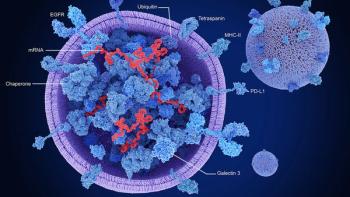
Inhaled EXO-CD24 kept 85% of patients with ARDS free of respiratory failure at day 7 vs 33.3% with placebo in a 90-patient phase 2b trial.

Nuravax will test AV-1959R in a 160-adult phase 2 trial to see whether the amyloid vaccine can prevent Alzheimer disease before symptoms begin.
BMS's Dr Nathan Pennell outlines how biomarker testing barriers and trial diversity affect patient access to targeted oncology drugs.
Advertisement
Advertisement
Trending on BioPharm International
1
Nuravax Alzheimer Vaccine AV-1959R Earns FDA Fast Track Designation
2
Nano24's Inhaled EXO-CD24 Cuts ARDS Mortality in Phase 2b Trial
3
Akeso's Ivonescimab Enters Phase 2/3 Biliary Tract Cancer Trial in US
4
Geneos Launches Phase 2 IMPACT31 Trial of Personalized DNA Cancer Vaccine to Prevent Liver Cancer Recurrence
5