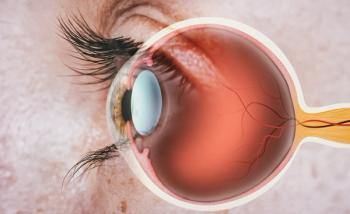
Revakinagene taroretcel (Encelto), the only FDA-approved MacTel therapy, slowed photoreceptor loss by up to 54.8% vs sham in phase 3 trials.
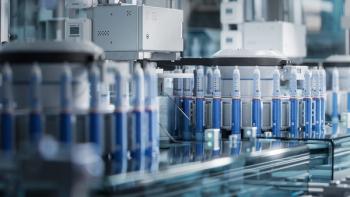
The new facility will produce cell therapies for clinical evaluation from discovery through to Phase 2b trials while expanding Takeda’s abilities to develop next-generation cell therapies.
Takeda announced on Sept.15, 2020 that it is opening a new 24,000 square-foot R&D cell therapy manufacturing facility at its R&D headquarters in Boston, MA to further its cell therapy manufacturing capabilities.
The new facility will produce cell therapies for clinical evaluation from discovery through to Phase 2b trials while expanding Takeda’s abilities to develop next-generation cell therapies, a company press release said. The company will begin by focusing on cell therapies for oncology with the potential to expand to other areas of therapeutics.
“We are collaborating with some of the best scientists and innovators around the world establishing a highly differentiated immuno-oncology pipeline leapfrogging into new modalities and mechanisms with curative potential,” said Chris Arendt, PhD, head of Takeda’s Oncology Therapeutic Area Unit. “With three oncology cell therapy programs in the clinic and two more targeted to enter the clinic in fiscal year 2021, we are working with urgency and purpose for patients. This new facility helps us rapidly scale our manufacturing capabilities so we can simultaneously advance multiple highly differentiated cell therapy programs.”
Source: