Register Now - Every Drop Matters: Reducing Product Loss in Sterile Filtration
Feature|Videos|November 18, 2026

Salalah Free Zone: A Gateway for Pharmaceutical and MedTech Investment

Key Takeaways

  • Learn how Salalah’s position on the East–West trade route and the Port of Salalah give manufacturers access to GCC, East African, and global markets.
  • Understand the investor incentives Salalah Free Zone offers, including 100% ownership, 30 years tax-free, no import duties, and government offtake and price incentives.
SHOW MORE

Dr. Ali Tabuk, CEO of Salalah Free Zone, explains why Salalah belongs on the shortlist for pharmaceutical and MedTech manufacturers weighing where to build their next base of operations.

Sponsored by Salalah Free Zone

In this video, Dr. Ali Tabuk, CEO of Salalah Free Zone, makes the case for Salalah as a base for regional and global pharmaceutical operations. He notes that His Majesty recently issued a directive to establish pharmaceutical and medical complexes in all of Oman’s free zones, and that Salalah Free Zone has allocated 500,000 square meters in its first phase for pharmaceutical investment.

Tabuk describes Oman’s position on the trade route between East and West, which gives manufacturers in Salalah access to the GCC, East African, and Omani markets. He points to the Port of Salalah, the airport, and road connections from Salalah to the GCC and the wider Middle East, citing a transit time of about 16 days to the United States and noting that the location sits outside the Strait of Hormuz and the geopolitical issues that can disrupt the supply chain. On incentives, he outlines 100% ownership, 30 years tax-free, no import duties, a government offtake arrangement for companies that set up manufacturing in Oman, and a price incentive under which the government buys from local manufacturers at 20% to 30% above other markets. He also highlights demand: according to recent data shared by Omani authorities, 94% of the country’s medicines and medical products are imported.

The interview is relevant for pharmaceutical and MedTech manufacturers, investors, and executives evaluating new manufacturing locations or regional hubs. Viewers will come away with a clear picture of the incentives, infrastructure, workforce pipeline from local universities, and trade agreements, including those with the United States and India, that Salalah Free Zone offers investors.



Related to this article

The BioPharm Brief: A First for Streamlined Biosimilar Approval, a Head-to-Head Bispecific Trial in Wet AMD, and In Vivo KIR-CAR T
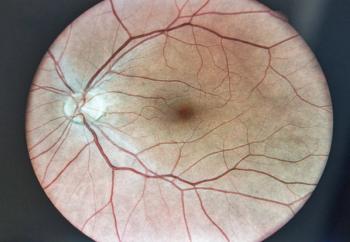
Biocon’s pertuzumab biosimilar Pebrilzo becomes the first biosimilar approved under EMA’s tailored clinical approach, Visara doses the first patient in a phase 2b trial comparing its VEGF-A/ANG-2 bispecific VIS-101 with aflibercept in wet AMD, and Verismo Therapeutics licenses Stanford’s PACK-IT technology for in vivo KIR-CAR T therapies.
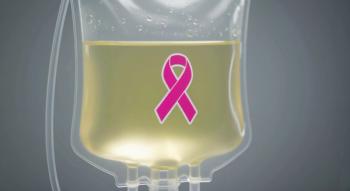
Close-up of a clear IV infusion bag filled with pale yellow fluid, with a pink awareness ribbon printed on its front, against a gray background. | Image Credit: © Olga - stock.adobe.com
The European Commission has authorized Biocon’s pertuzumab biosimilar Pebrilzo as a HER2-positive breast cancer treatment, the first biosimilar cleared under EMA’s tailored clinical approach, which relies on analytical and pharmacokinetic data in place of a comparative efficacy trial. The EU biosimilar approval follows FDA approval of Pebrilzo two days earlier.