Underlying the increase is a greater understanding at the genetic level of the causes of cancer, and advances in research on the cellular mechanisms underlying tumor growth and metastasis. This has paved the way for targeted therapy: therapies directed toward specific features of tumor growth and survival. For example, therapies are being developed that interfere with vascularization of tumors, and others are being developed that deprive tumors of energy derived from glucose. The hope is that these specific treatments will be effective but have less general toxicity than current treatments.
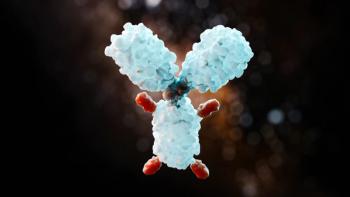
The list of development candidates includes a variety of potential therapeutics other than small-molecule therapeutics. Biologics, including vaccines and antibody treatments (monoclonals, polyclonals and antibody fusion constructs), are well represented. Gene therapy, antisense treatment, and a therapy using encapsulated cells are also in development. The inclusion of biologics increases the arsenal available to pharmaceutical developers, according to the PhRMA report.
According to the report, cancer occurs in many forms, and one medication does not fit all. Despite gains made in treatment, particularly of breast and prostate cancer, cancer remains the second leading cause of death in the United States. Pharmaceutical manufacturers have certainly recognized the unmet medical need, and are responding.